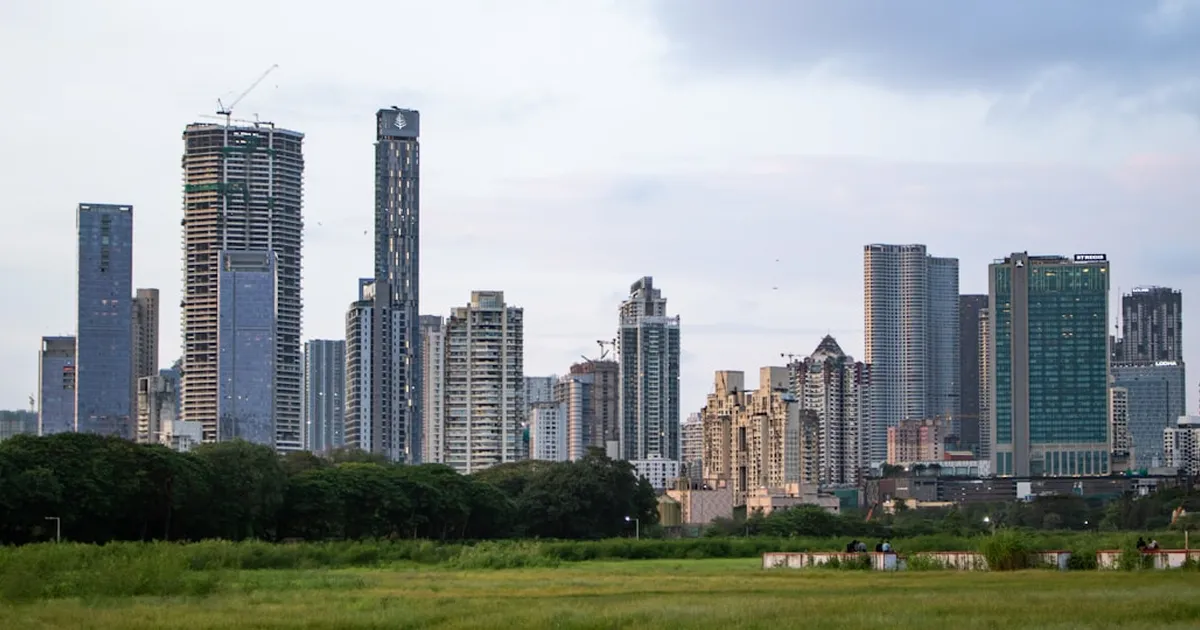
Navi Mumbai Cluster Redevelopment Freeze Push Clouds Ghansoli and Vashi Prices
Forest Minister Ganesh Naik Opposes Navi Mumbai Cluster Redevelopment Push
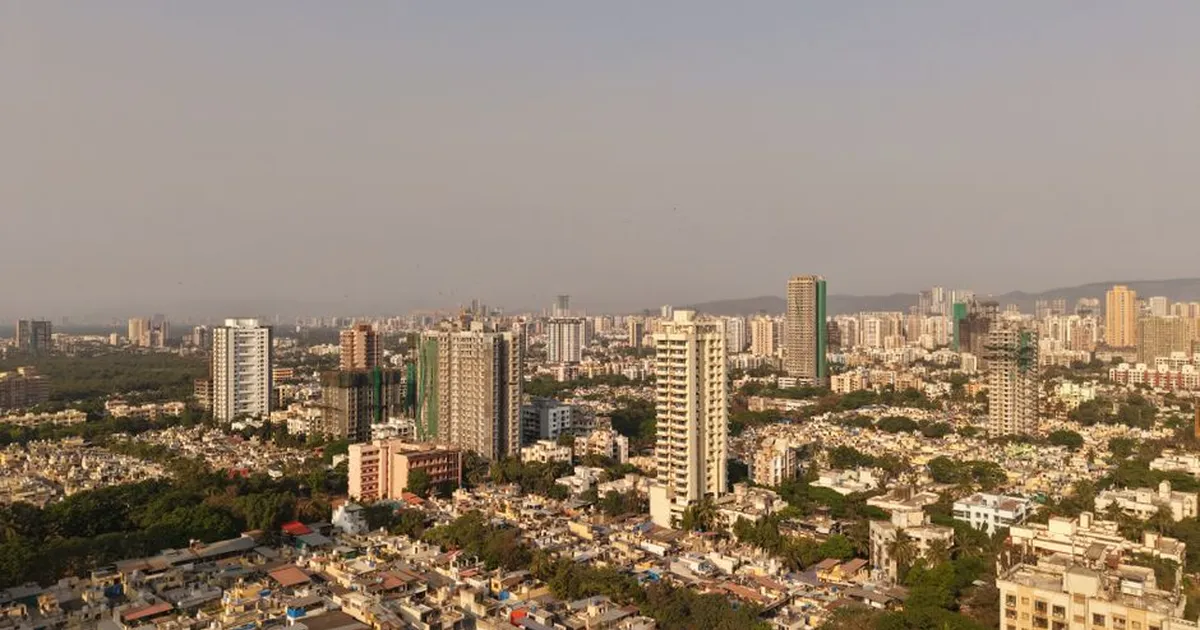
Forest Minister Ganesh Naik, a senior BJP leader, has come out against the state government's push to fast-track cluster redevelopment proposals in Navi Mumbai. The row started when the Urban Development Department wrote to the Navi Mumbai Municipal Corporation (NMMC) on October 15, 2026, asking it to process redevelopment proposals already notified and waiting before the high-powered committee. On November 2, 2026, the civic body's general body passed a resolution by 60 votes to 31, seeking a stay on approvals under the Urban Renewal Scheme (URS) until a full carrying capacity study is complete. The meeting was chaired by Mayor Sujata Patil. For homebuyers and investors in Ghansoli and Vashi, the outcome will shape how quickly new towers can rise and how much extra density the area can absorb.
What Was Decided and by Whom
The state's Urban Development Department, headed by Deputy Chief Minister Eknath Shinde, has directed Navi Mumbai Municipal Commissioner Kailas Shinde to process five proposals under the Urban Renewal Scheme. All five sit in Ghansoli and Vashi, and three of them have already received approval from the high-powered committee. One of the larger sites is the mathadi workers' housing settlement in Ghansoli's Sector 7, which covers about 67,146 square metres under a notified urban renewal plan. That settlement houses as many as 3,260 families who still live in the one-room homes CIDCO allotted in 2004. NMMC issued the notification for that plan on July 14, 2026, and invited objections from residents within 30 days.
Naik's objection is not against rebuilding as such. He has said the civic body is not opposed to redevelopment, but asks why a special URS is needed when redevelopment is already possible under the existing Development Control Regulations. He wants dangerous and dilapidated C-1 buildings to be rebuilt under the regular rules. His core worry is the Floor Space Index (FSI). He says that extra density, if handed out without an impact assessment, can strain roads, water supply and parking all at once.
Impact on Homebuyers
Buyers should read this story with some care. The state order does not automatically approve the five proposals. Each one still has to clear the prescribed scrutiny and receive the state government's final approval before redevelopment can move forward. For a buyer, that means a project that looks promising on paper could still face delays, changes in its density or legal challenges along the way.
Prices in the locality are unlikely to react to a single order alone. What tends to move values in a cluster belt is a clear signal that approvals are coming through in volume, followed by construction progress that people can see from the road. Until that happens, the freeze voted by the civic body and the court threat from the minister add a layer of uncertainty. Those who want to buy a home to live in may find it wise to look at the existing stock and wait for the scrutiny to finish. Investors with a longer horizon may see value in watching which of the five proposals clear first, because those early approvals will set the tone for the rest of the corridor.
Residents of older buildings in Ghansoli and Vashi have the most to gain if the redevelopment goes ahead. The cramped and ageing structures in the settlement have been waiting for years for a safer and more comfortable replacement, and many families have been hoping for this moment. For them, the political disagreement is a source of frustration, even as they welcome the state's intent.
Expert Analysis
The core of this dispute is a question of sequence. The state wants to unlock older housing stock quickly, and the civic body wants to know whether the roads, water lines, sewers and parking can handle the population that higher FSI will bring. Ghansoli already faces drinking water shortages, and residents have long raised concerns about infrastructure keeping pace with growth. Adding density before those systems are measured is a risk that the minister and the corporation have both pointed to.
Ghansoli's transport links are a real strength but also a constraint. The area has its own station on the Trans-Harbour railway line between Rabale and Koparkhairane, and Thane Belapur Road runs along its eastern edge. It is not served by the operating Navi Mumbai Metro Line 1, which runs between Belapur and Pendhar. That gap matters when the number of households rises, because road and rail capacity have to carry the extra commuters. The corporation has also flagged environmental concerns, with Deputy Mayor Dashrath Bhagat calling for an assessment of the effect on creek ecosystems and fisheries.
The timing of the row is worth noting. In August 2026, the general body had already voted to suspend all Urban Renewal Scheme projects until their impact on civic infrastructure was scientifically assessed. In October, the state moved ahead and greenlit the Cluster Redevelopment Scheme for the satellite city. The result is a tug-of-war between a state that wants speed and a civic body that wants evidence. How that tension resolves will tell buyers a great deal about how Navi Mumbai's redevelopment market will behave over the next few years.
What to Expect Next
NMMC has resolved to convey its objections to the state government and start legal proceedings. The corporation has said it will challenge the state's directions in the Bombay High Court if proposals are cleared without a proper look at the city's infrastructure capacity. Corporator Suraj Patil has proposed a writ petition under Article 226 before the same court, and corporator Prashant Patil has pressed for the URS in his area to be cancelled, saying he is ready to submit a memorandum signed by 5,000 residents.
The next big steps are the project-level infrastructure and environmental assessments, further scrutiny by the high-powered committee and the state's final decisions on each proposal. Buyers should watch those milestones closely, because each one will either firm up or slow down the redevelopment pipeline in Ghansoli and Vashi.
Related Projects and Areas Affected
- Ghansoli Sector 7 mathadi workers' settlement: the largest of the affected sites, with about 67,146 square metres under the notified urban renewal plan and as many as 3,260 families.
- Ghansoli cluster proposals: part of the five URS proposals that the state has asked the corporation to process, with three already approved by the high-powered committee.
- Vashi cluster proposals: the other affected pockets in the five-proposal list, where the same infrastructure and FSI questions apply.
- Parsik Hill area: the nearly 100-hectare CIDCO-controlled tract that the minister has sought to protect with forest status, a reminder of the wider environmental stakes in the region.
For buyers, the message is simple. Redevelopment in Navi Mumbai is moving forward, but it is moving through a contested process. Read each proposal's approval status before making a decision, and give the infrastructure debate time to settle.
Questions & Answers (0)
Terms & Conditions — Q&A
By submitting a question on RealtyPromoo, you agree to these terms:
1. Content Policy
- Your question must be a genuine real estate query.
- No abusive, defamatory, or promotional content.
- No personal contact info, broker referrals, or spam.
- Questions are reviewed by AI and may be edited for clarity, grammar, or politeness before publication.
2. Publication
- Your first name + last initial (e.g., "Rahul S.") will be displayed publicly with the answer.
- Your full name, phone number, and email are never displayed publicly.
- Once published, your question and answer become part of RealtyPromoo's content.
3. Phone & Email
- Your phone number is required so our team can share the answer with you on WhatsApp and assist with your query.
- Your phone number and email are stored securely and may be used by RealtyPromoo or its sales team to contact you regarding your query or related properties.
4. Answer Accuracy
- Answers are generated by AI based on publicly available information and the page context.
- Answers are informational only — not financial, legal, or investment advice.
- Always verify pricing, RERA status, and possession dates with the developer before any transaction.
- RealtyPromoo is not liable for decisions made based on AI-generated answers.
5. Pre-RERA / Pre-Launch Projects
- Some listed projects are pre-RERA / pre-launch. These listings are informational only.
- No booking, sale, or agreement is permitted before RERA registration.
- "Express Your Interest" forms collect contact details for future communication, not advance bookings.
6. Moderation
- RealtyPromoo reserves the right to delete, edit, or refuse to publish any question or answer.
7. Privacy
- Your data is handled per our Privacy Policy.
8. Jurisdiction
- These terms are governed by the laws of India.
- Disputes are subject to the courts of Noida, Uttar Pradesh.
Be the first to ask a question. Get an answer in seconds.
Questions & Answers
This article was drafted by Meera Menon, Real Estate Content Writer (Freelancer) with research support from artificial intelligence. AI assisted in gathering and summarizing information from primary news sources and official statements, and the final content was reviewed by our editor before publishing. News pages are timestamped at the time of writing and are not updated after publication.
Sources consulted: Primary press releases & company statements · Tier-1 business news (Economic Times, Livemint, Moneycontrol, Business Standard) · BSE / NSE corporate disclosures · Government notifications · State RERA filings (where relevant).
Published: 14 November 2026 · Spot an error? Let us know
Locations covered
Cities
Localities
Related News
 Market Update
Land Deals Fall 23% in 2026 as Developers Lean on Joint Ventures
India logged 76 land deals in January-September 2026, down 23%, as JDAs grew to 25% of transactions. What it means for homebuyers, land prices and demand.
 Policy
Prayagraj Opens Core Localities to Group Housing: What It Means for Buyers
UP government clears Master Plan-2031 amendment lifting group housing curbs in Civil Lines, Georgetown and Tagore Town, Prayagraj. What buyers should know.
 New Launch
Sobha's 50-Acre Hennur Township Pre-Launch Tests North Bangalore Demand
Sobha's 50-acre Hennur Main Road township in North Bangalore is at Pre-Launch, with 1 to 4 BHK homes from ₹1.10 Cr* and possession planned December 2031.
 News
Rustomjee Doubles Down on Mumbai Redevelopment: 78% of New Projects
Rustomjee says 21 of its 27 projects added since FY23 are redevelopments. Here is what the Mumbai shift means for buyers, prices and approval risk. Read.