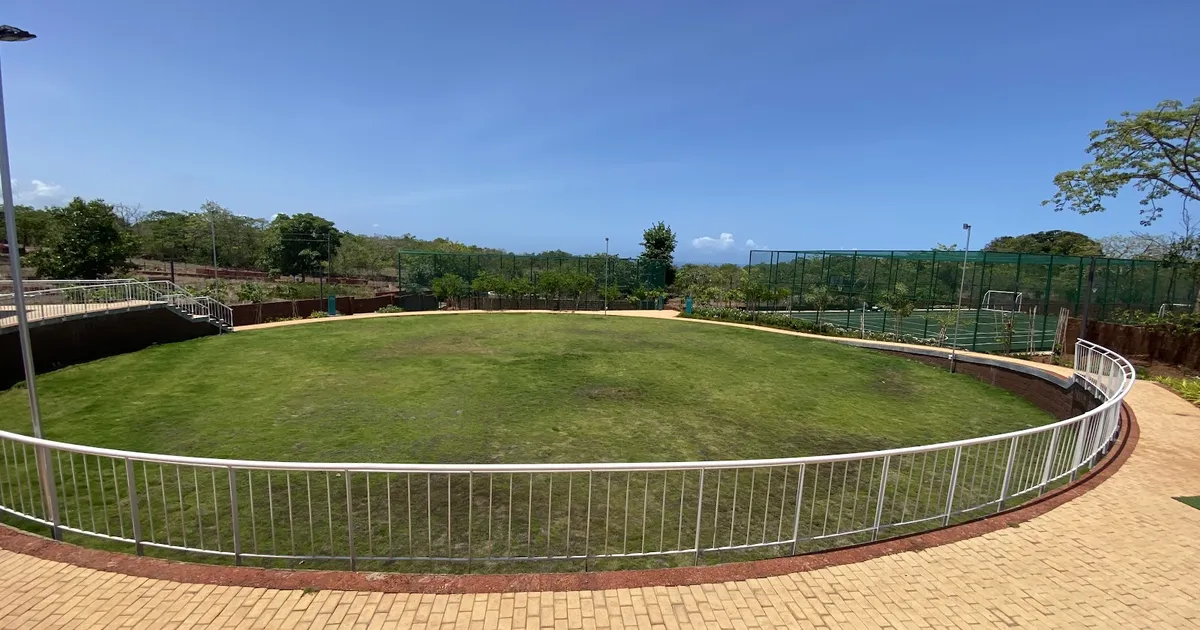
Photo by Shuvo Saha Roy via Google Places
Ayodhya

About Ayodhya Real Estate
The Ayodhya real estate market has officially transitioned from a sentiment-driven boom into a maturing, infrastructure-backed economic powerhouse. Following the historic inauguration of the Ram Mandir in 2024, the city experienced an unprecedented wave of speculative buying. Now, in 2026, the market has stabilized into a structured growth phase. The narrative has shifted from merely buying agricultural land on the outskirts to investing in organized townships, branded residential apartments, and premium commercial hospitality assets.
Unlike traditional tier-2 cities where growth relies on IT parks or manufacturing, Ayodhya's economic engine is fueled entirely by spiritual tourism and a massive influx of government capital. With visitor numbers crossing the 20-crore mark annually, the demand for short-term accommodations, luxury hotels, and retirement homes has skyrocketed. National developers have entered the market, bringing RERA-compliant gated communities and high-rise apartments to a city that was historically dominated by independent houses and unorganized plotting.
However, the rapid transformation brings its own set of challenges. While core areas near the temple have seen astronomical price hikes, creating immense wealth for early investors, they also pose a significant risk of overvaluation for new buyers. The Ayodhya Development Authority (ADA) is actively rolling out Master Plan 2031 to decentralize this growth, pushing new residential and commercial corridors toward the Ayodhya Bypass and the Airport Road. For today's homebuyer or investor, navigating Ayodhya requires looking past the hype and focusing on clear land titles, developer credibility, and exact proximity to newly completed infrastructure.
Why Invest in Ayodhya
Investing in Ayodhya today is a direct play on India's booming spiritual tourism economy, backed by concrete, on-the-ground infrastructure execution. In the past, buyers invested purely on the promise of future development. Today, that development is a reality. The state and central governments have infused over ₹11,100 crore specifically into Ayodhya's civic, transit, and beautification projects, fundamentally altering the city's real estate landscape.
The numbers speak for themselves. Between 2019 and 2026, land prices in prime Ayodhya corridors have surged by an astonishing 150% to over 300%. Land near the core temple zone that once traded at ₹400 to ₹700 per sq. ft. now commands upwards of ₹20,000 to ₹25,000 per sq. ft. While the core zone has largely peaked, peripheral areas along the highways are still offering an annualized capital appreciation of 12% to 18%, heavily outperforming traditional fixed-income assets.
Beyond capital appreciation, the commercial rental yield in Ayodhya is currently among the best in North India. With millions of pilgrims arriving year-round, investors building boutique hotels, homestays, or purchasing retail spaces are seeing rental yields hovering between 8% and 12%. Furthermore, the expansion of the Maharishi Valmiki International Airport is bringing in a wealthy NRI diaspora, driving demand for premium second homes and luxury retirement villas.
The Risks: We must be honest—Ayodhya is not a risk-free market. The biggest threat to investors right now is hype-led buying. Many unorganized brokers are selling agricultural plots with unclear titles or no ADA approvals. Additionally, the recent massive hikes in official circle rates (up to 200% in some zones) mean that the entry cost is no longer cheap. Investors must prioritize RERA-approved projects and conduct rigorous legal due diligence before signing any checks.
Price Trends
The pricing landscape in Ayodhya has evolved dramatically. In 2025, the local government revised circle rates for the first time in eight years, officially recognizing the massive surge in market values. While the core temple zone has reached commercial saturation, emerging residential corridors like the Ayodhya Bypass are seeing steady, sustainable growth.
Based on current market data and developer pricing, here is a snapshot of typical property configurations and pricing in newly launched organized projects across Ayodhya's growth corridors:
| Property Type | Average Area (sq.ft.) | Indicative Price Range | Avg. Price / sq.ft. |
|---|---|---|---|
| 1 BHK Apartment | 550 - 650 | ₹35 Lakhs - ₹45 Lakhs | ₹6,500 - ₹7,000 |
| 2 BHK Apartment | 950 - 1,100 | ₹60 Lakhs - ₹85 Lakhs | ₹6,300 - ₹7,700 |
| 3 BHK Premium Apartment | 1,400 - 1,800 | ₹1.10 Cr - ₹1.60 Cr | ₹7,800 - ₹9,000 |
| Residential Plot (Premium Gated) | 1,000 - 1,500 | ₹80 Lakhs - ₹1.50 Cr | ₹8,000 - ₹10,000 |
| Commercial Plot (Highway Facing) | 2,000 - 5,000 | ₹2.50 Cr - ₹7.50 Cr | ₹12,000 - ₹15,000 |
Disclaimer: Prices are indicative, based on current channel partner data and recent project launches. Actual prices vary significantly based on exact location, developer brand, RERA approval status, and distance from major landmarks.
Locality-Wise Land & Plot Rate Trends
- Near Ram Mandir (Core Zone): ₹20,000 - ₹25,000 per sq.ft. (Highly saturated, premium commercial only).
- Deokali: ₹8,500 - ₹10,000 per sq.ft. (Stable, premium residential).
- Airport Road / Navya Ayodhya: ₹8,000 - ₹10,000 per sq.ft. (Highest growth potential, luxury townships).
- Ayodhya Bypass: ₹6,000 - ₹9,500 per sq.ft. (Emerging apartment hub).
- Faizabad Road: ₹4,000 - ₹6,000 per sq.ft. (Mid-segment mixed-use).
- Raebareli Road / Outskirts: ₹3,000 - ₹5,000 per sq.ft. (Affordable plotting).
Top Localities for Homebuyers
For end-users looking to settle in Ayodhya, the priority is finding areas that offer peace, modern amenities, and relief from the heavy tourist traffic of the core city. The market is shifting from independent houses to secure, gated apartment complexes.
- Deokali: Widely considered the most balanced residential hub in Ayodhya, Deokali is located just 6 km from the Ram Mandir. It offers a peaceful environment away from daily tourist congestion while maintaining excellent connectivity via NH-27. It is perfect for families, boasting established schools like JB Academy and proximity to quality healthcare. Property prices here are stable, ranging from ₹8,500 to ₹10,000 per sq. ft.
- Ayodhya Bypass: This corridor is rapidly emerging as the epicenter for modern apartment living. Unlike the narrow lanes of the old city, the Bypass features wide roads, better urban planning, and new gated communities with clubhouses and swimming pools. It appeals to modern families and migrating professionals. Premium apartments here trade between ₹6,000 and ₹9,500 per sq. ft.
- Civil Lines: Historically the upscale, administrative heart of Faizabad, Civil Lines is characterized by wide, tree-lined streets and premium bungalows. It is ideal for high-budget homebuyers looking for immediate livability, safety, and a cosmopolitan vibe. Prices range from ₹9,000 to ₹11,000 per sq. ft.
- Raebareli Road: For budget-conscious homebuyers, Raebareli Road is a top contender. Connecting seamlessly to NH-27 and NH-330A, this stretch is witnessing a surge in affordable plotted developments and low-rise apartments. It is best suited for first-time buyers, with prices hovering around ₹3,000 to ₹5,000 per sq. ft.
Top Localities for Investors
Investors in Ayodhya must separate emotional buying from financial logic. The key to high ROI in 2026 is investing in the path of upcoming infrastructure, rather than buying overpriced assets in already saturated zones.
- Airport Road (Navya Ayodhya Belt): This is currently the undisputed goldmine of Ayodhya real estate. Located within a 5-8 km radius of the Maharishi Valmiki International Airport, this zone is witnessing massive acquisitions by national hotel chains and luxury township developers. With the airport undergoing a massive Phase 2 expansion, plots here (currently ₹8,000–₹10,000 per sq. ft.) are positioned for aggressive capital appreciation over the next 3 to 5 years.
- Janura & Ayodhya Bypass: Strategically positioned to connect the Lucknow, Gorakhpur, and Sultanpur highways, this area is transitioning from agricultural land to a prime commercial and residential hub. Investors buying commercial plots here can expect their property values to double as city traffic is increasingly routed through the bypass to avoid core city congestion.
- Faizabad-Ayodhya Integration Zone: Acting as the commercial bridge between the twin cities, this corridor is highly recommended for mixed-use commercial investments. Investors can build retail spaces on the ground floor and service apartments or homestays above, tapping into the perennial tourist footfall. Rates hover between ₹4,000 and ₹6,000 per sq. ft.
- Near Ram Mandir (Core Zone) - Proceed with Caution: While this is the most famous area, prices have already skyrocketed to ₹20,000–₹25,000 per sq. ft. This zone is strictly for ultra-high-net-worth individuals or large hospitality chains looking to build premium hotels. For the average retail investor, the barrier to entry is too high, and the risk of overvaluation is severe.
Infrastructure & Connectivity
Ayodhya's infrastructure is undergoing a staggering metamorphosis. The government is executing a multi-billion-dollar master plan to support a projected 50 million annual tourists, ensuring the city can handle the load without collapsing under its own weight.
- Maharishi Valmiki International Airport (Phase 2): This is the crown jewel of Ayodhya's infrastructure. While Phase 1 was built for 10 lakh passengers annually, it quickly became insufficient. The ongoing Phase 2 expansion, backed by an investment of over ₹1,735 crore, is scaling the airport's capacity to an incredible 60 lakh passengers annually. Targeted for completion by October 2026, this expansion will introduce direct international flights, dramatically boosting global NRI and tourist footfall.
- Ayodhya Dham Railway Station: Redeveloped at a cost of over ₹240 crore in its first phase, the station now resembles a modern airport terminal. Its capacity has been expanded from 10,000 to over 60,000 commuters daily, facilitating massive workforce and pilgrim movement.
- Roadways & Civic Corridors: The city's internal vascular system has been entirely rebuilt. The government has developed three massive corridors—Ram Path, Bhakti Path, and Dharma Path—featuring widened, illuminated roads and underground cabling. The upcoming Ayodhya Ring Road is also crucial, as it will divert heavy commercial traffic away from the city center.
- Saryu Riverfront Development: Over ₹133 crore has been allocated for civic amenities, including the transformation of the Saryu Riverfront into a world-class recreational zone with parks, shopping areas, and organized seating, heavily boosting the local aesthetic and livability.
Government Policies & Regulations
With the surge in property demand, the Uttar Pradesh government and the Ayodhya Development Authority (ADA) have heavily tightened regulations to prevent illegal plotting and protect the city's heritage.
UP RERA Enforcement: Real estate in Ayodhya is strictly governed by the Uttar Pradesh Real Estate Regulatory Authority (UP RERA). Given the high number of speculative land deals, it is absolutely critical that buyers only invest in RERA-registered projects. The state's IGRSUP portal now allows buyers to check deed data, revenue court cases, civil cases, and cadastral maps online—a mandatory due diligence step to avoid buying disputed agricultural land.
Zoning and Master Plan 2031: The ADA has implemented strict zoning laws. There are severe restrictions on building heights and commercial activities within the immediate vicinity of the Ram Mandir to preserve the city's heritage skyline. The government is actively pushing new developments toward the Navya Ayodhya township along the highways to ensure organized, legal growth.
Stamp Duty & Registration: The Uttar Pradesh government currently levies a stamp duty of 7% on the property value for male buyers. To encourage female property ownership, there is a 1% rebate for women, bringing their stamp duty down to 6%. However, it is vital to note that this rebate is capped at a maximum financial benefit of ₹10,000, and is only fully applicable up to a property value of ₹10 lakh. For properties above this threshold, the effective rate normalizes. Joint ownership (Male + Female) attracts a 6.5% stamp duty. The property registration fee is a flat 1% of the property value across the board.
Living in Ayodhya
Moving to Ayodhya offers a truly unique lifestyle that blends deep-rooted spiritual heritage with the rapid urbanization of a modern smart city. However, prospective residents must weigh the realities of living in a global pilgrimage hotspot.
The Positives: The quality of civic life has improved exponentially. What was once a quiet, under-developed town now boasts world-class roads, underground power cabling, beautifully illuminated public spaces, and a stunning riverfront. The presence of a modern international airport and a revamped railway station means that you are never disconnected from major metros like Delhi or Mumbai. For retirees or spiritually inclined families, the cultural vibrancy and proximity to the Saryu River and historic temples offer an unmatched sense of peace.
The Challenges: Honesty is crucial when evaluating Ayodhya as a permanent home. The sheer volume of tourists—often crossing lakhs of people in a single day during festivals like Diwali or Ram Navami—can lead to severe local traffic congestion, noise, and restricted movement for residents. Furthermore, the cost of living is rising; as the city gentrifies, everyday services and real estate prices are inching closer to tier-1 city levels. Finally, the climate is typically North Indian subtropical. Summers (April to June) are intensely hot, with temperatures frequently soaring past 40°C, making powerful air conditioning a necessity for modern apartment living.
Ultimately, living in Ayodhya is best suited for those who embrace its spiritual energy and don't mind the bustling, festival-like atmosphere that now defines the city year-round.
Projects in Ayodhya
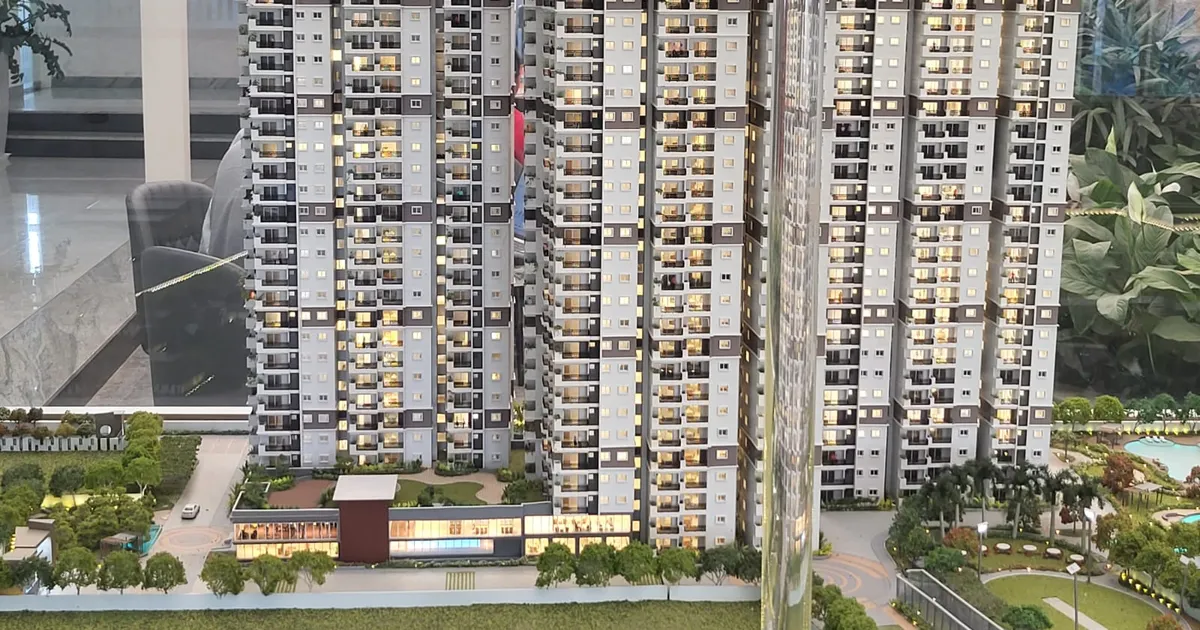 Pre-Launch
Abhi Codename New Dimension
by Abhinandan Lodha (house Of Abhinandan Lodha)
Ayodhya
Price on Request
Managed Land Parcels / Plots (indicative)