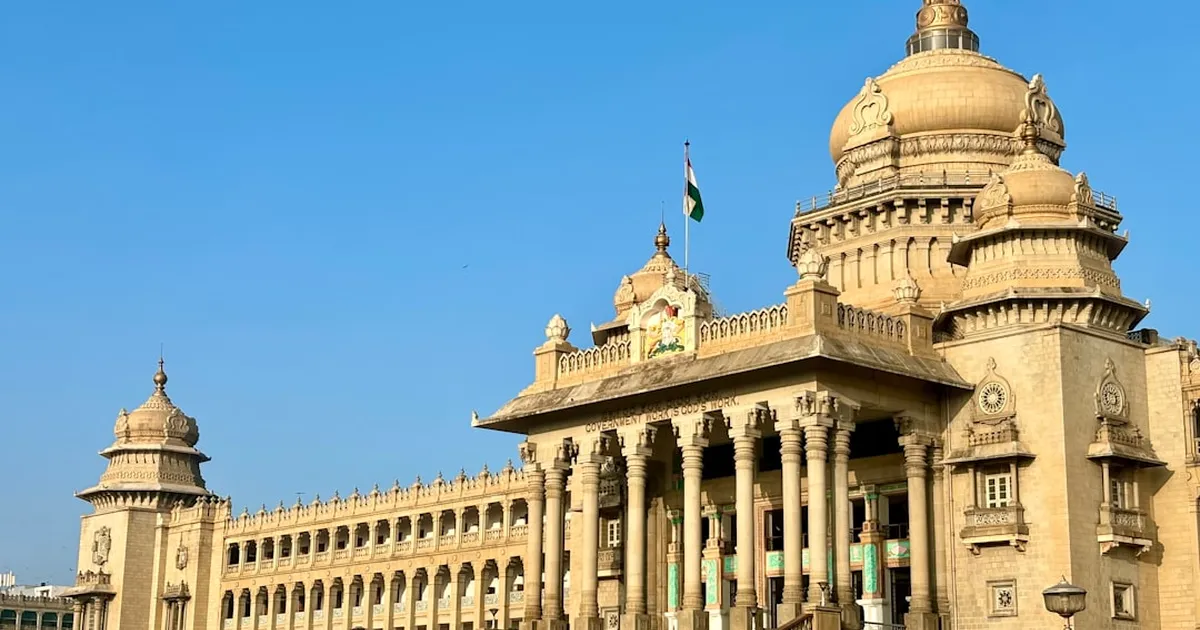
Bengaluru North Corridor Emerges As India's Hottest Residential Growth Belt With Multiple Premium Launches In Devanahalli Yelahanka And Chikkajala

North Bengaluru Emerges as India's Hottest Residential Growth Belt in 2026
The North Bengaluru corridor has officially transitioned from an emerging micro-market to India's premier residential growth destination in early 2026. The region—anchored by Devanahalli, Yelahanka, and Chikkajala—is commanding unprecedented developer attention and buyer interest, with multiple premium launches across plotted developments, luxury apartments, and integrated townships now underway or in advanced pre-launch stages.
Market data from Cushman & Wakefield's Q4 2025 Residential Market Beat report reveals that North Bengaluru accounted for nearly 34% of all residential launches across Bengaluru in 2025, a dramatic concentration that reflects the region's emergence as the city's primary growth vector. By Q1 2026, this dominance intensified further: the North submarket contributed 38% of all new residential launches, with high-end capital values growing 7% year-on-year and mid-segment recording 6% annual growth.
The three micro-markets driving this surge tell distinct but complementary stories. Devanahalli, the infrastructure-led growth engine, has seen property prices surge 15–20% annually, with plotted developments moving from ₹2,800–3,000 per sq ft in 2023–24 to ₹3,800–4,000 per sq ft in 2024–25, and current 2026 rates ranging ₹6,000–10,000 per sq ft for plots, with premium villas exceeding ₹10,000 per sq ft. Yelahanka, positioned as the balanced growth zone, has attracted a broad buyer base seeking quality of life alongside connectivity, with residential prices averaging ₹7,500–8,500 per sq ft in 2025–26 and projected annual growth of 7–9% through 2026. Chikkajala, the emerging airport corridor hotspot, is experiencing steady appreciation without speculative spikes, driven by proximity to the upcoming Blue Line metro and airport expansion.
What's Driving This Growth? Infrastructure Convergence at Scale
Unlike previous peripheral booms in Bengaluru, North's surge is anchored in real, converging infrastructure. The Namma Metro Phase 2B Blue Line—a 37-kilometre extension connecting KR Puram to Kempegowda International Airport through Hebbal, Yelahanka, and Bagalur Cross—is expected to be operational in phases between June and December 2026. This is not speculative; metro stations are under construction, and the project is ADB and JICA-funded with confirmed timelines.
Simultaneously, the Satellite Town Ring Road (STRR), already partially operational, is connecting North Bengaluru to the city's broader mobility network. The Bangalore Business Corridor (BBC), a 117-km, 8-lane expressway approved by the state cabinet, will loop around the city through Yelahanka and other northern nodes, with a reserved median for future metro expansion. These are not plans—they are active infrastructure projects reshaping commute patterns in real time.
The airport itself remains the ultimate anchor. Kempegowda International Airport's Terminal 2 expansion is substantially increasing capacity, accelerating the Airport City's emergence as a self-sustaining commercial and retail district. The KIADB Aerospace Park in Devanahalli has attracted global majors—Boeing, Airbus, Shell, and others—creating thousands of direct engineering and technology jobs. The proposed Information Technology Investment Region, spanning nearly 40 square kilometres near Devanahalli, is expected to draw IT, biotech, and advanced manufacturing companies into the same belt.
This employment base is translating directly into residential demand. Thousands of homes are currently under construction across Bagalur, Devanahalli, and Yelahanka to house the professionals this corridor continues to attract. Amazon, for instance, relocated its Bangalore office to Yelahanka, leveraging improved connectivity and the growing talent pool.
Premium Launches Flooding the Corridor
Developer response has been swift and substantial. Major builders—Prestige, Sobha, Brigade, Godrej, Embassy, Puravankara, Sattva, Arvind SmartSpaces, and others—have launched or are launching multiple premium projects across the three micro-markets:
- Devanahalli: Prestige Crystal Lawns (plotted), Prestige Greenbrook (plotted), Embassy Springs (mixed township), Godrej MSR City (62-acre integrated township), Tata Varnam (135-acre Carnatica Township), Sattva Vasanta Skye (1,000+ premium homes), Sumadhura Panorama (50-acre plotted development with 2,130 units), and multiple others.
- Yelahanka: Ajmera Marina (lakefront premium apartments), Karnataka Housing Board's 43-acre integrated township (cleared by state), and numerous mid to high-end residential communities by established developers.
- Chikkajala: Sattva City (pre-launch luxury apartments near Doddajala Metro), Sattva Hamlet (pre-launch, 3,460 units near airport), and emerging residential zones along the airport corridor.
Pricing across the corridor ranges from ₹9,000 to ₹13,500 per square foot for apartments, a tier that has moved the region from "affordable-peripheral" to "premium-aspirational." New launches are reporting occupancy rates above 70%, indicating strong buyer confidence and rapid absorption.
Impact on Homebuyers: The Timing Question
For homebuyers, the current moment presents both opportunity and complexity. Entry prices in North Bengaluru remain 20% lower than established East and South Bengaluru corridors, yet appreciation potential is 10–15% CAGR—among the highest in the city. Properties within two kilometres of upcoming metro stations are outperforming less-connected locations by 5–25% in capital appreciation over five- to seven-year cycles, according to JLL India analysis, making the current pre-operational window a material entry advantage.
However, this advantage is time-bound. As metro stations approach completion (late 2026 onwards) and expressway segments open, property values will likely accelerate sharply. Buyers still in the market should prioritize metro-adjacent or expressway-linked locations; waiting beyond 2026 may mean paying premium prices for the same appreciation upside.
The buyer profile is diversifying. NRIs, particularly those based in the United States and the Gulf, account for a significant share of purchases, drawn by gated luxury communities, airport proximity, and long-term appreciation potential. Domestic buyers include IT professionals, aerospace sector employees, young families seeking larger homes and quieter neighbourhoods, and investors targeting rental yields of 4–4.5% (particularly in Devanahalli and Chikkajala).
Expert Analysis: Why Now, Why North?
Bengaluru's real estate evolution follows a predictable arc: infrastructure saturation in one corridor triggers migration to the next. For over a decade, the Outer Ring Road (ORR) absorbed residential demand, but price escalation and infrastructure saturation have made it less viable for a widening segment of buyers. Post-pandemic homebuyer preferences—lower congestion, open spaces, predictable commutes—have shifted focus northward.
What distinguishes North Bengaluru from previous peripheral plays is simultaneity: multiple infrastructure projects are converging at once, compressing the timeline between promise and delivery. The Blue Line metro, STRR, BBC, airport expansion, and aerospace corridor development are not sequential; they are happening in parallel, creating a compounding effect on property values and livability.
The market response is visible in transaction data. Capital appreciation in North Bengaluru has reached 10–15% CAGR, with some micro-markets like Devanahalli recording 133% price appreciation since FY21. Mid-segment sales were up 22% quarter-on-quarter in Q3 2025, driven by affordability and lifestyle appeal. Luxury segment sales accounted for 51% of transactions in Q3 2025, reflecting strong high-end demand.
This is not speculative. It is infrastructure-led, employment-anchored, and backed by global corporate commitments. The region's transformation into a diversified growth corridor—offering distinct investment stories across Devanahalli (high growth), Hebbal (premium rentals), and Yelahanka (balanced growth)—signals maturation, not hype.
What to Expect Next: 2026 Timeline
June–December 2026: Blue Line Metro Phase 2B segments begin operational rollout. Properties near Doddajala, Chikkajala, Yelahanka, and Bagalur metro stations will see immediate connectivity premiums. Expect 15% capital surge over 24 months driven by "last-mile" connectivity.
May 2026: Yelahanka flyover on Doddaballapur Road targeted for completion, easing chronic junction bottlenecks and improving intra-North connectivity.
2026–2027: STRR and BBC segments progressively open, reducing commute times to ORR, airport, and central Bangalore. Property values in well-connected micro-markets will likely accelerate further.
Q2–Q3 2026: Multiple premium project launches expected as developers capitalize on metro anticipation and occupancy momentum.
Comparable Markets & Competitive Context
North Bengaluru's price tier (₹9,000–13,500 per sq ft) positions it competitively against East Bengaluru (₹7,000–15,000+ per sq ft, with Whitefield commanding premiums). While East Bengaluru, particularly Whitefield, commands higher absolute prices due to established IT hubs, North Bengaluru offers a more accessible entry point with superior growth projections in micro-markets like Devanahalli and Bagalur. This makes it attractive for investors prioritizing capital appreciation over immediate high-value entry.
South Bengaluru (Sarjapur Road, Kanakapura Road) offers similar growth potential but faces ORR congestion. North Bengaluru's advantage is infrastructure diversity: metro + expressway + airport + aerospace corridor, creating multiple appreciation drivers rather than single-corridor dependence.
Key Risks & Honest Considerations
Execution Risk on Infrastructure: While metro, STRR, and BBC are funded and under construction, any delays could dampen price appreciation timelines. The Blue Line's phased rollout means some stations may not be operational until late 2026 or early 2027.
Density Concerns: Rapid development and multiple simultaneous launches risk creating oversupply in specific micro-markets. Yelahanka, for instance, has seen a 60% surge in Q3 2025 launches; if absorption slows, inventory could accumulate.
Traffic & Congestion During Construction: Metro and expressway construction will create temporary commute disruptions through 2026–2027. Buyers expecting immediate relief may be disappointed.
Price Run-Up Already Underway: Devanahalli prices have already doubled since FY21. While further appreciation is likely, the "hidden gem" discount has largely evaporated. Buyers entering now are betting on infrastructure delivery, not discovery.
Rental Yield Variability: While Devanahalli offers 4.5% yields, Yelahanka and Chikkajala offer 2–4%. Investors must align expectations with micro-market rental demand.
Future-Buyer FAQ
Q: Should I buy now or wait for metro completion?
A: Properties within 2 km of upcoming metro stations are outperforming by 5–25% over 5–7 year cycles. Waiting until 2027 (post-metro) will mean paying premium prices for the same appreciation. Buy now if location is strong; avoid waiting.
Q: Which micro-market should I choose—Devanahalli, Yelahanka, or Chikkajala?
A: Devanahalli offers highest growth potential (15–20% annually) but highest current prices (₹6,000–10,000 per sq ft plots). Yelahanka offers balanced growth (7–9% annually) with better affordability (₹7,500–8,500 per sq ft). Chikkajala is emerging with 15% appreciation projected over 24 months and lower entry prices. Choose based on budget and risk tolerance.
Q: Are prices going to crash if infrastructure is delayed?
A: Unlikely. The employment base (aerospace, IT, airport operations) is already driving demand independent of metro completion. Infrastructure delays will slow appreciation, not reverse it. However, properties far from metro/expressway may underperform.
Q: What's the rental income potential?
A: Devanahalli: 4.5% gross yield. Yelahanka: 2–3%. Chikkajala: 4.2% (projected). Rental demand is strong from aerospace and tech professionals, ensuring consistent occupancy.
Q: Is this a good time to invest, or is the boom already priced in?
A: The infrastructure boom is real and just beginning. Metro and expressway are 6–18 months from opening. Properties will likely appreciate 8–10% annually through 2028–2030. Entry now captures pre-metro premiums; waiting until 2027 will mean paying post-metro prices. For long-term (10-year) hold, now is optimal.
Q: Which developers are most reliable in North Bengaluru?
A: Prestige, Sobha, Godrej, Embassy, Puravankara, and Sattva have strong track records in the corridor. Check RERA registration, project completion history, and payment plan flexibility before committing.
Questions & Answers (0)
Ask a Question
Get answer immediately here.
Terms & Conditions — Q&A
By submitting a question on RealtyPromoo, you agree to these terms:
1. Content Policy
- Your question must be a genuine real estate query.
- No abusive, defamatory, or promotional content.
- No personal contact info, broker referrals, or spam.
- Questions are reviewed by AI and may be edited for clarity, grammar, or politeness before publication.
2. Publication
- Your first name + last initial (e.g., "Rahul S.") will be displayed publicly with the answer.
- Your full name, phone number, and email are never displayed publicly.
- Once published, your question and answer become part of RealtyPromoo's content.
3. Phone & Email Verification
- OTP verification is mandatory to prevent spam.
- Your phone number and email are stored securely and may be used by RealtyPromoo or its sales team to contact you regarding your query or related properties.
4. Answer Accuracy
- Answers are generated by AI based on publicly available information and the page context.
- Answers are informational only — not financial, legal, or investment advice.
- Always verify pricing, RERA status, and possession dates with the developer before any transaction.
- RealtyPromoo is not liable for decisions made based on AI-generated answers.
5. Pre-RERA / Pre-Launch Projects
- Some listed projects are pre-RERA / pre-launch. These listings are informational only.
- No booking, sale, or agreement is permitted before RERA registration.
- "Express Your Interest" forms collect contact details for future communication, not advance bookings.
6. Moderation
- RealtyPromoo reserves the right to delete, edit, or refuse to publish any question or answer.
7. Privacy
- Your data is handled per our Privacy Policy.
8. Jurisdiction
- These terms are governed by the laws of India.
- Disputes are subject to the courts of Noida, Uttar Pradesh.
Be the first to ask a question. Get an answer immediately.
Questions & Answers
This article was drafted by Tejinder Paul Singh, Real Estate Content Writer (Freelancer) with research support from artificial intelligence. AI assisted in gathering and summarizing information from primary news sources and official statements, and the final content was reviewed by our editor before publishing. News pages are timestamped at the time of writing and are not updated after publication.
Sources consulted: Primary press releases & company statements · Tier-1 business news (Economic Times, Livemint, Moneycontrol, Business Standard) · BSE / NSE corporate disclosures · Government notifications · State RERA filings (where relevant).
Published: 30 April 2026 · Spot an error? Let us know
Projects mentioned in this article
 New Launch / Under Construction
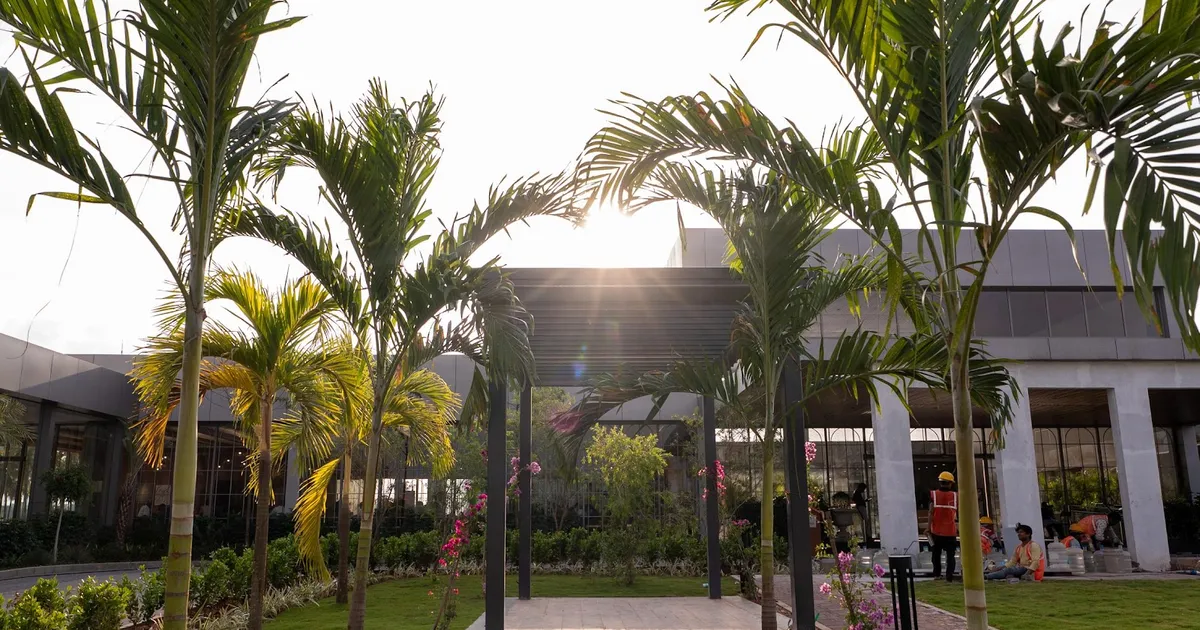
Godrej Msr City
by Godrej Properties Limited
Shettigere, Devanahalli, North Bangalore, Bangalore
₹1.18 Cr - ₹2.40 Cr
2 BHK, 3 BHK
 New Launch
Birla Trimaya Phase 4
by Birla Estates Private Limited
Shettigere, Devanahalli, North Bangalore, Bangalore
₹85 L – ₹4.30 Cr
1 BHK, 2 BHK, 3 BHK, 3.5 BHK, 4 BHK Duplex
 New Launch
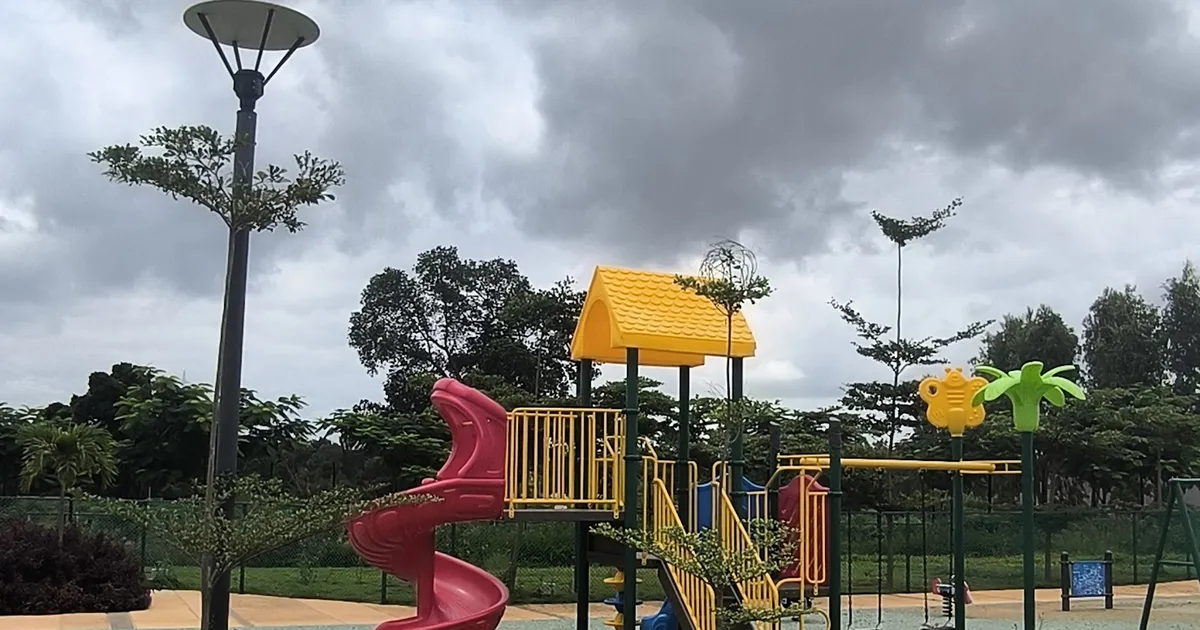
Embassy Greenshore Devanahalli Bengaluru
by Embassy Group
Devanahalli, Bangalore
₹1.27 Cr - ₹2.85 Cr
2 BHK, 3 BHK, 4 BHK
 New Launch
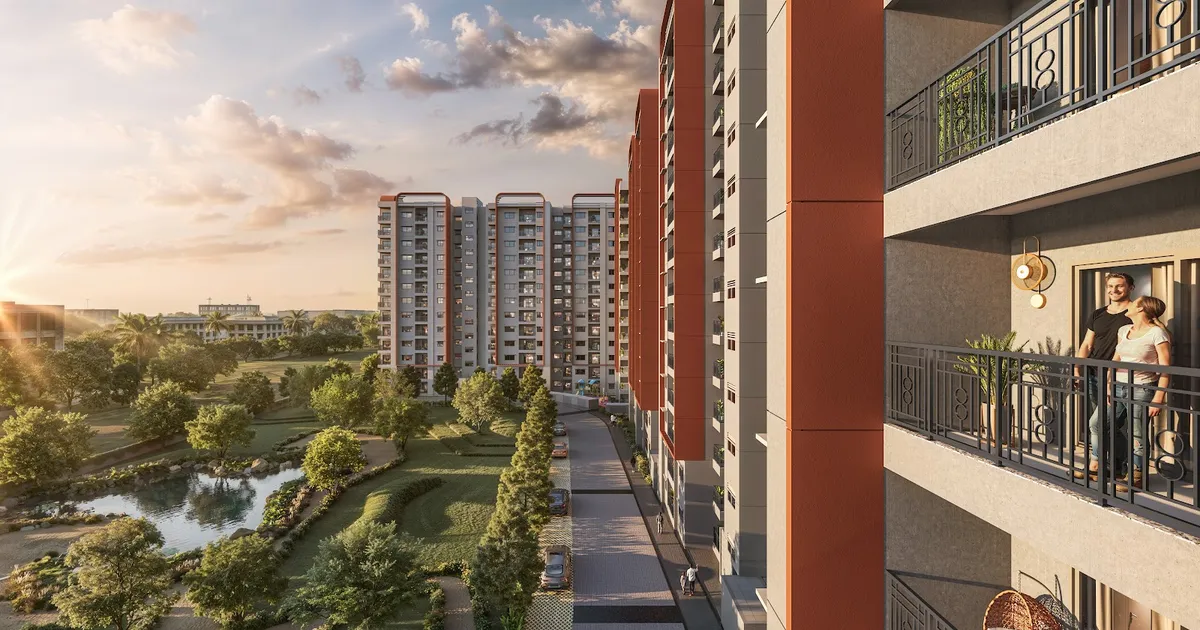
Tvs Emerald Altura Sathnur Bengaluru
Sathanur, Thanisandra (north Bangalore), Bangalore
₹1.4 Cr - ₹2.87 Cr
2 BHK, 3 BHK, 3.5 BHK
Related News
 News
News
Brigade Group Launches Brigade Eternia Luxury 3 And 4 Bhk Apartments In Yelahanka North Bengaluru
Brigade Eternia is a 14-acre luxury township in Yelahanka, North Bengaluru, with 1,124 apartments priced from ₹2.43 crore. RERA approved, expected completion...
 News
News
Sattva Group Launches Pre-launch Sales For Sattva Ozone Residential Project In Kannamangala Devanahalli Bengaluru
Sattva Ozone in Devanahalli: 16-acre luxury residential project with 2, 3, 4 BHK apartments. Pre-launch phase, possession December 2029. Premium North...
 News
News
Sattva Group Launches Sattva Vasanta Skye Premium Residential Project Near Bengaluru Airport In Devanahalli
Sattva Vasanta Skye: 16-acre RERA-registered premium residential project in Devanahalli, Bangalore. 1,077 apartments, studios to 4 BHK, ₹78L-₹2.90Cr...
 News
News
Sattva Group Launches Sattva Forest Ridge Pre-launch Residential Project In Anjanapura South Bengaluru
Sattva Forest Ridge launches in Anjanapura, JP Nagar 9th Phase: 407 apartments across 4 acres, 95% sold in 9 months. Prices ₹67L–₹1.99Cr. Possession Dec...