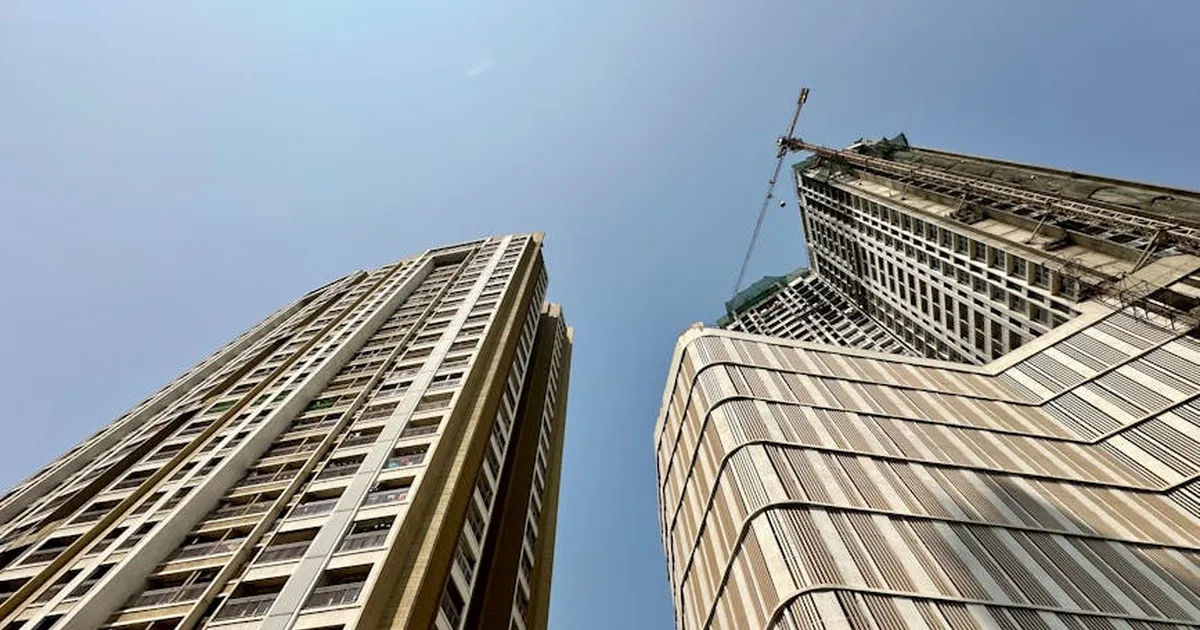
Lodha Developers Expects Rs 2 Trillion Revenue From Monetisation Of Existing Land Bank And Plans To Reduce Land Acquisition Spend Over Next 24 Months

Lodha Developers Pivots Strategy: ₹2 Trillion Land Bank to Drive Revenue, Land Acquisition Spend to Reduce
Lodha Developers, India's second-largest listed real estate developer, announced on April 14, 2026, a significant strategic shift in its capital allocation. The company disclosed that its existing land bank holds gross development value (GDV) of ₹2 trillion available for sale, excluding township parcels not planned for use within the next five years. To maximize returns from this substantial portfolio, Lodha will reduce investments on land acquisition over the next 24 months and prioritize free cash flow generation. The announcement came as part of the company's operational update following the fiscal year 2025-26 close.
During FY26, Lodha acquired 12 land parcels across Mumbai Metropolitan Region (MMR), Bengaluru, and Delhi-NCR, adding ₹60,000 crore in revenue potential. This brings the company's cumulative recent acquisition activity to 23 parcels over the past two years, with ₹83,700 crore in combined GDV. The shift from aggressive land acquisition to monetisation reflects management confidence in the quality and scalability of its existing portfolio, as well as the strength of current housing demand.
Impact on Homebuyers and Market Dynamics
This strategy shift carries mixed implications for homebuyers. On the positive side, reduced capital outflow on land acquisition allows Lodha to accelerate project launches and delivery timelines from its existing land bank, meaning more projects hitting the market sooner. Faster execution reduces buyer waiting periods and increases housing supply in key markets—MMR, Pune, Bengaluru, and now Delhi-NCR. This is particularly beneficial for price-sensitive segments, as increased supply typically moderates price appreciation.
However, the announcement also signals that Lodha expects strong future demand, justifying confidence in monetising ₹2 trillion of GDV. This confidence often translates to stable or rising prices in Lodha's core markets. Buyers in MMR and Bengaluru should expect steady price momentum, particularly in premium and luxury segments where Lodha maintains significant market share. Buyers in newer markets like Delhi-NCR, where Lodha recently entered, may see competitive pricing as the developer establishes presence.
The strategy also underscores consolidation in India's real estate sector. Smaller, under-capitalised developers will struggle to compete with Lodha's scale and execution capability, reinforcing buyer preference for branded developers. This trend supports property values in projects by established players but may compress valuations in unbranded or delayed projects.
Expert Analysis: Why This Pivot Makes Strategic Sense
Lodha's shift reflects three macro realities in India's real estate market. First, post-COVID housing demand has fundamentally strengthened, driven by pent-up buyer interest, improved affordability at premium price points, and institutional capital inflows. The company's FY26 pre-sales of ₹20,530 crore—up 16% year-on-year—demonstrate robust sales momentum. With ₹2 trillion of GDV in hand, Lodha has sufficient pipeline to capitalize on this demand for years without acquiring new land.
Second, land acquisition costs in tier-I cities have escalated significantly. Stamp duty, regulatory compliance, and negotiation timelines make land purchases capital-intensive and time-consuming. By monetising existing parcels instead, Lodha improves return on invested capital (ROIC) and reduces execution risk. This is a mature developer's strategy—prioritize efficiency over volume.
Third, the announcement signals management's intent to improve shareholder returns. Reduced capital expenditure on land acquisition increases free cash flow available for dividends, debt reduction, or strategic investments in adjacent businesses (data centres, warehousing, retail). Lodha has already signalled ambitions to grow annuity income—data centres, retail, warehousing, offices—from ₹290 crore in FY26 to ₹3,000 crore within six years. Lower land acquisition spend supports this diversification.
The Iran war impact on FY26 sales (₹4.7 billion shortfall vs. guidance) also justifies caution on new land acquisition. Geopolitical volatility can dampen luxury housing demand, making aggressive land buying riskier. By focusing on existing inventory, Lodha de-risks its balance sheet against external shocks.
What to Expect Next
Over the next 12–24 months, expect Lodha to announce multiple project launches from its existing land bank—particularly in MMR (Palava township, Upper Thane), Pune, Bengaluru, and Delhi-NCR. Q1 and Q2 of FY27 (April–September 2026) are likely to see major announcements. The company has guided FY27 pre-sales of ₹24,000 crore, implying accelerated launches and sales velocity. Additionally, watch for announcements on the company's non-residential business (data centres, warehousing, retail), which management views as a long-term cash generation engine. Any further geopolitical stabilisation should support luxury housing demand and pre-sales momentum.
Related Markets and Localities Affected
- Mumbai Metropolitan Region (MMR): Lodha's largest market; expect accelerated launches in Palava township and Upper Thane redevelopment projects.
- Bengaluru: Strong demand for premium residential; Lodha's land bank here supports mid-to-luxury segment growth.
- Pune: Emerging as a second-home and relocation destination; Lodha's portfolio addresses this demand with planned launches.
- Delhi-NCR: Newest market for Lodha; recent partnerships with MRG Group signal pilot-phase expansion; expect cautious, calibrated growth.
- Malabar Hill, Mumbai: Lodha's ₹106 crore acquisition of development rights (February 2026) exemplifies focus on high-value micro-markets within MMR.
Comparable Strategies by Other Major Developers
Godrej Properties, India's top-listed developer by pre-sales, is pursuing the opposite strategy—acquiring over 20 land parcels in FY26 to build ₹42,000 crore in housing projects. Godrej's aggressive land acquisition reflects its confidence in sustained demand and its capital-raising ability. However, Lodha's pivot is more conservative and shareholder-friendly, prioritizing cash generation over growth-at-all-costs.
DLF Limited, another tier-1 developer, has similarly focused on monetising its substantial Delhi-NCR land bank in recent years, supporting Lodha's strategic rationale. The consolidation of India's real estate sector around a handful of well-capitalised, execution-focused developers is accelerating, disadvantaging smaller players and supporting valuations in projects by Lodha, Godrej, DLF, and Prestige Estates.
Future-Buyer FAQ
Q: Will Lodha project prices increase now that the company is reducing land acquisition spend?
A: Prices are likely to remain stable to appreciate moderately. Reduced land acquisition spend does not immediately affect pricing of ongoing or near-launch projects. However, if Lodha accelerates launches from its ₹2 trillion land bank, increased supply may moderate price growth in some micro-markets, particularly outside MMR's premium zones. In flagship projects like Palava and Upper Thane, expect steady appreciation driven by brand strength and infrastructure improvements.
Q: When will Lodha announce new project launches from its existing land bank?
A: Expect major announcements in Q1 and Q2 of FY27 (April–September 2026). The company has guided ₹24,000 crore pre-sales for FY27, up from ₹20,530 crore in FY26, implying 5–7 significant launches. Lodha typically announces projects 2–3 months before RERA filing and 4–6 months before public sales opening.
Q: Should I wait for new Lodha project launches, or should I book in existing projects now?
A: If you're interested in Lodha, existing projects offer lower price points (earlier phases, unsold inventory) and faster possession timelines (many near completion). New launches typically command premium pricing but offer latest amenities and flexible payment plans. If you're price-sensitive, existing projects are attractive; if you prefer cutting-edge design and long possession timelines, wait for new launches. Early-bird discounts in new launches often neutralize the price premium of existing projects.
Q: How does Lodha's strategy compare to Godrej Properties?
A: Lodha is prioritizing profitability and free cash flow; Godrej is prioritizing market share and growth. Godrej's acquisition of 20+ land parcels in FY26 signals confidence in demand but ties up capital. Lodha's ₹2 trillion monetisation strategy is lower-risk and more shareholder-friendly. For buyers, both developers offer strong execution and brand credibility. Choose based on project location, timeline, and budget rather than corporate strategy.
Q: Will Lodha enter new cities beyond MMR, Bengaluru, Pune, and Delhi-NCR?
A: Unlikely in the next 24 months. Management has stated that the Delhi-NCR entry (via MRG Group partnerships) is a pilot. Lodha's focus is on deepening presence in top-6 cities (MMR, Bengaluru, Pune, Delhi-NCR, Hyderabad potential, Chennai potential) rather than expanding to tier-2 cities. Watch for potential Hyderabad or Chennai announcements in FY27-28, but near-term focus remains on existing markets.
Questions & Answers (0)
Ask a Question
Get answer immediately here.
Terms & Conditions — Q&A
By submitting a question on RealtyPromoo, you agree to these terms:
1. Content Policy
- Your question must be a genuine real estate query.
- No abusive, defamatory, or promotional content.
- No personal contact info, broker referrals, or spam.
- Questions are reviewed by AI and may be edited for clarity, grammar, or politeness before publication.
2. Publication
- Your first name + last initial (e.g., "Rahul S.") will be displayed publicly with the answer.
- Your full name, phone number, and email are never displayed publicly.
- Once published, your question and answer become part of RealtyPromoo's content.
3. Phone & Email Verification
- OTP verification is mandatory to prevent spam.
- Your phone number and email are stored securely and may be used by RealtyPromoo or its sales team to contact you regarding your query or related properties.
4. Answer Accuracy
- Answers are generated by AI based on publicly available information and the page context.
- Answers are informational only — not financial, legal, or investment advice.
- Always verify pricing, RERA status, and possession dates with the developer before any transaction.
- RealtyPromoo is not liable for decisions made based on AI-generated answers.
5. Pre-RERA / Pre-Launch Projects
- Some listed projects are pre-RERA / pre-launch. These listings are informational only.
- No booking, sale, or agreement is permitted before RERA registration.
- "Express Your Interest" forms collect contact details for future communication, not advance bookings.
6. Moderation
- RealtyPromoo reserves the right to delete, edit, or refuse to publish any question or answer.
7. Privacy
- Your data is handled per our Privacy Policy.
8. Jurisdiction
- These terms are governed by the laws of India.
- Disputes are subject to the courts of Noida, Uttar Pradesh.
Be the first to ask a question. Get an answer immediately.
Questions & Answers
This article was drafted by Devendra Singh, Senior Real Estate Analyst (Freelancer) with research support from artificial intelligence. AI assisted in gathering and summarizing information from primary news sources and official statements, and the final content was reviewed by our editor before publishing. News pages are timestamped at the time of writing and are not updated after publication.
Sources consulted: Primary press releases & company statements · Tier-1 business news (Economic Times, Livemint, Moneycontrol, Business Standard) · BSE / NSE corporate disclosures · Government notifications · State RERA filings (where relevant).
Published: 2 May 2026 · Spot an error? Let us know
Projects mentioned in this article
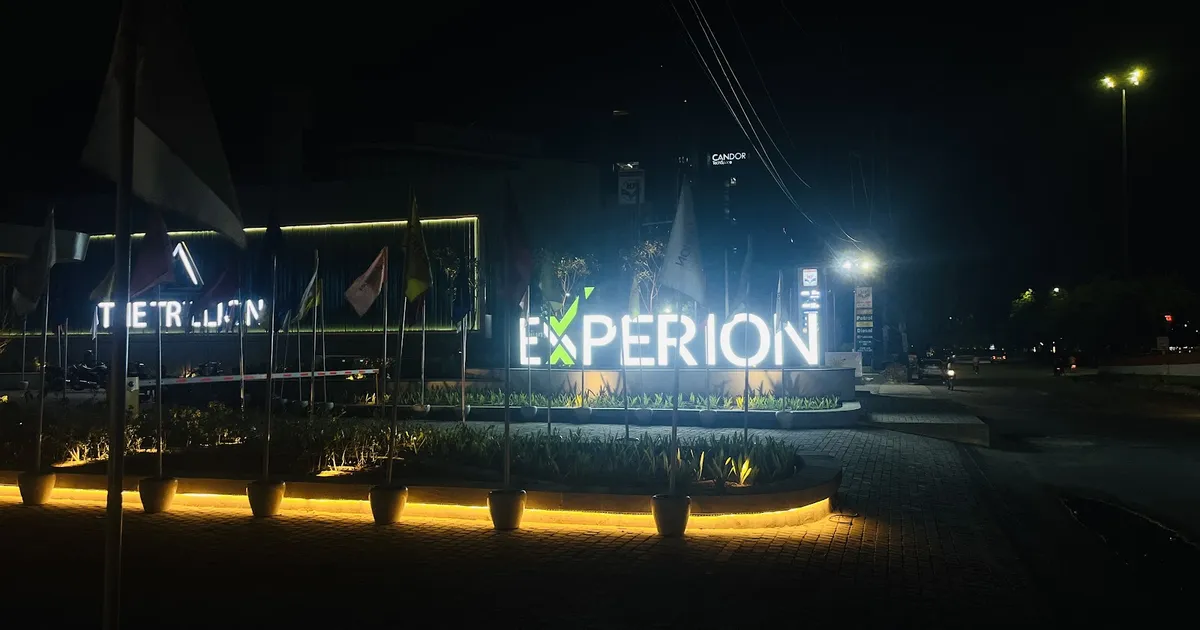 New Launch / Under Construction
Experion The Trillion
by Experion Developers
Sector 48, Sohna Road, Gurugram
₹6.62 Cr - ₹9 Cr+
3 BHK, 4 BHK
 Under Construction
Whiteland The Aspen
by Whiteland Corporation
Sector 76, Southern Peripheral Road (spr), Gurugram
₹3.90 Cr - ₹9 Cr+
3 BHK, 4 BHK, 5 BHK, Duplex Penthouses
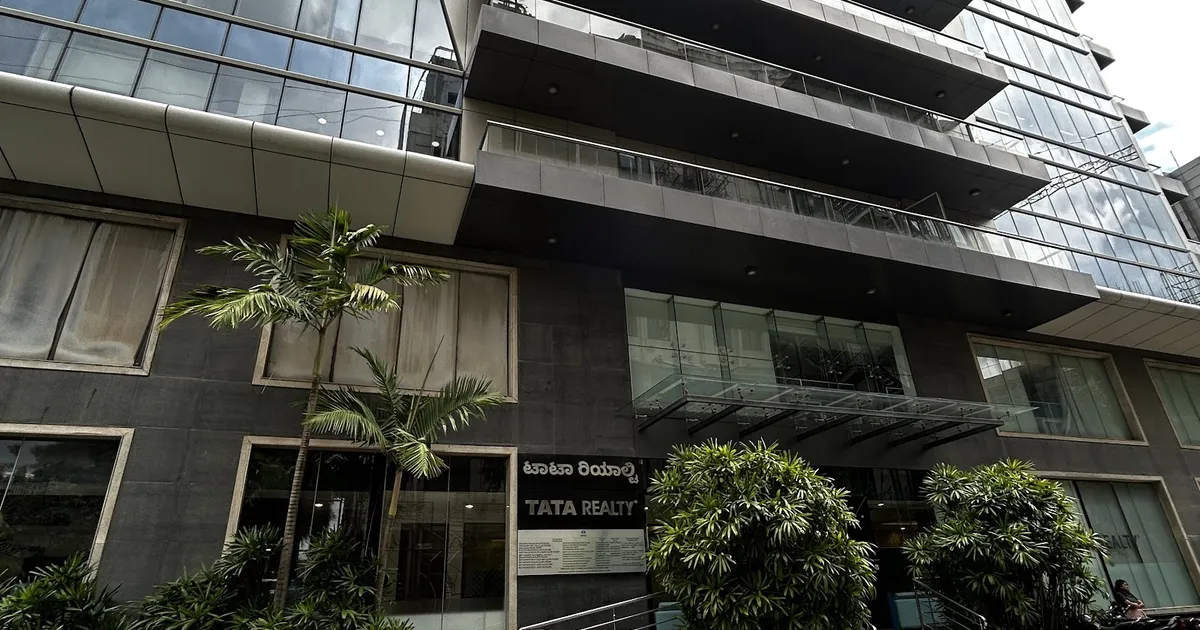 Upcoming
Tata Realty Bengaluru Hinduja Land Project
by Tata Realty
Jala Hobli & Yelahanka Hobli, North Bengaluru, Bangalore
Price on Request
Grade A Office Campus (Commercial)
 Under Construction
Whiteland Sector 103 Gurugram Project
by Whiteland Corporation
Phase 1 (Towers 1-3) under construction · Phase 2 (Towers 4-5) launched with addenda RERA filings
Sector 103, Dwarka Expressway, Gurugram
₹5.49 Cr - ₹11.58 Cr
3 BHK, 3.5 BHK, 4 BHK, 4.5 BHK + Servant
Related News
 News
News
L&t Realty Acquires 100 Percent Stake In International Green Scapes To Secure 20-acre Gurugram Land Parcel
L&T Realty enters NCR market with ₹1,123 crore acquisition of 20-acre Gurugram land parcel offering 3.6 million sq ft development potential for luxury...
 News
News
Brigade Group Acquires 8 Land Parcels Across 81 Acres In Fy26 To Emerge As Second-largest Land Acquirer Among Listed Developers
Brigade Group acquires 81 acres across 8 deals in FY26, emerging as India's second-largest land acquirer. Bengaluru, Chennai, Hyderabad launches expected FY27.
 News
News
Oberoi Realty Signs Development Agreement To Redevelop 1,740 Sqm Land Parcel In Malabar Hill, South Mumbai
Oberoi Realty signs development agreement for 1,740 sqm Malabar Hill redevelopment in South Mumbai. Expected launch 2027–28, ~51,000 sqft free-sale, premium...
 News
News
Sattva Group Launches Pre-launch Residential Project Sattva Varthur Road In East Bengaluru
Sattva Group's 75-acre Varthur Road township in East Bangalore now in pre-launch. 2/3/4 BHK luxury apartments, 70% green space, near Whitefield IT hub. EOI...