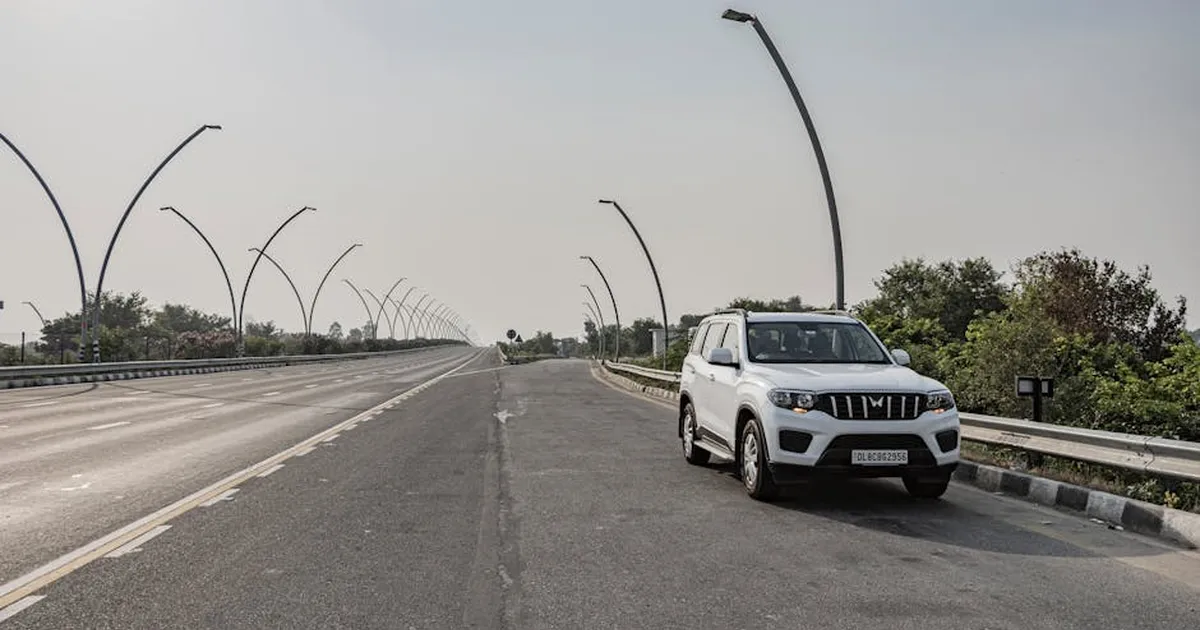
Delhi Dehradoon Expressway Opened
Delhi-Dehradun Expressway Officially Opens: Travel Time Cut to 2.5 Hours
The long-awaited Delhi-Dehradun Expressway is now a reality. Officially inaugurated by Prime Minister Narendra Modi on April 14, 2026, this monumental ₹12,000 crore infrastructure project fundamentally changes how North India travels. Spanning roughly 213 kilometers, the six-lane, access-controlled economic corridor slashes the grueling six-hour drive between the national capital and Uttarakhand's winter capital to a breezy two and a half hours. For frequent travelers, weekend tourists, and real estate investors eyeing property in the Himalayan foothills, this is a game-changing development.
Route Map and Strategic Connectivity
The expressway begins its journey near the Akshardham Temple in East Delhi, seamlessly integrating with the Delhi-Meerut Expressway and the Eastern Peripheral Expressway (EPE). From there, it weaves through key districts in Western Uttar Pradesh—including Baghpat, Baraut, Muzaffarnagar, Shamli, and Saharanpur—before terminating in Dehradun. The project was executed in four distinct phases by the National Highways Authority of India (NHAI), combining both greenfield alignments and brownfield expansions.
- Phase 1: Akshardham to EPE Junction (Expanded up to 12 lanes to handle heavy city traffic)
- Phase 2: EPE Junction to Saharanpur Bypass
- Phase 3: Saharanpur Bypass to Ganeshpur
- Phase 4: Ganeshpur to Dehradun (The critical hilly and forest terrain segment)
Engineering Marvels and Wildlife Protection
One of the most talked-about aspects of this highway is its passage through the eco-sensitive Rajaji National Park. To mitigate environmental impact, engineers constructed Asia's largest elevated wildlife corridor, stretching 12 kilometers. This massive structure, combined with multiple dedicated elephant underpasses and a 370-meter twin-tube tunnel near the historic Daat Kali temple, allows vehicles to bypass animal migration routes entirely. The corridor is designed for a top speed of 100 kmph, supported by an Advanced Traffic Management System (ATMS) for enhanced safety.
Comparative Travel Context: Road vs. Rail vs. Air
How does the new expressway stack up against alternative modes of transport? The math heavily favors hitting the road.
| Mode of Transport | Average Travel Time | Estimated Cost (One Way) | Convenience Factor |
|---|---|---|---|
| New Expressway (Car) | 2.5 hours | ₹670 (Toll) + Fuel | High: Door-to-door convenience, scenic drive, flexible departure. |
| Vande Bharat Express | 4.5 to 5 hours | ₹900 - ₹1,800 | Medium: Comfortable, but requires travel to and from railway stations. |
| Direct Flight | 4 to 5 hours (Door-to-door) | ₹3,500 - ₹6,000+ | Low: Only 55 mins of airtime, but heavily delayed by airport security, boarding, and distant airport locations. |
The Reality Check: Delays, Tolls, and Remaining Bottlenecks
While the inauguration is a massive win, buyers and commuters should be aware of the full picture. The project was originally slated for completion in December 2024 and suffered multiple missed deadlines—pushed to October 2025, then February 2026, before finally opening in April 2026. These delays were primarily driven by complex land acquisition litigation, seasonal flooding near rivers, and the sheer engineering challenge of the tunnel works.
Furthermore, early commuters should prepare for a few teething issues. While the main carriageway is fully operational, some localized finishing works, such as the installation of mobile network towers in the tunnel sections and minor service road completions near the Akshardham junction, are still being wrapped up. Ecologists also remain cautiously observant; while the elevated corridor is a massive step forward, the long-term impact of high-speed traffic noise and light pollution on Rajaji National Park's wildlife is still a valid concern.
Finally, the convenience comes at a premium. With estimated one-way toll charges hovering around ₹670 (and roughly ₹1,000 for a round trip), regular daily commuters traveling between intermediate towns like Baghpat and Saharanpur may find the cost prohibitive compared to using the older, toll-free NH-334, even if it means sitting in traffic.
Related News
 News
News
Ganga Expressway Inaugurated By Pm Modi, Set To Boost Connectivity And Real Estate Growth
PM Modi inaugurates 594-km Ganga Expressway on April 29, 2026. Connecting Meerut to Prayagraj, it cuts travel time to 6 hours, promises 25-35% price...
 News
News
Pune Municipal Corporation Approves 54 Km Underground Road Network And Riverfront Development In 2026-27 Budget
Pune Municipal Corporation's ₹13,995 crore 2026-27 budget includes 54 km underground road network, 17.8 km Mula-Mutha riverfront development, and 4,725 PMAY...
 News
News
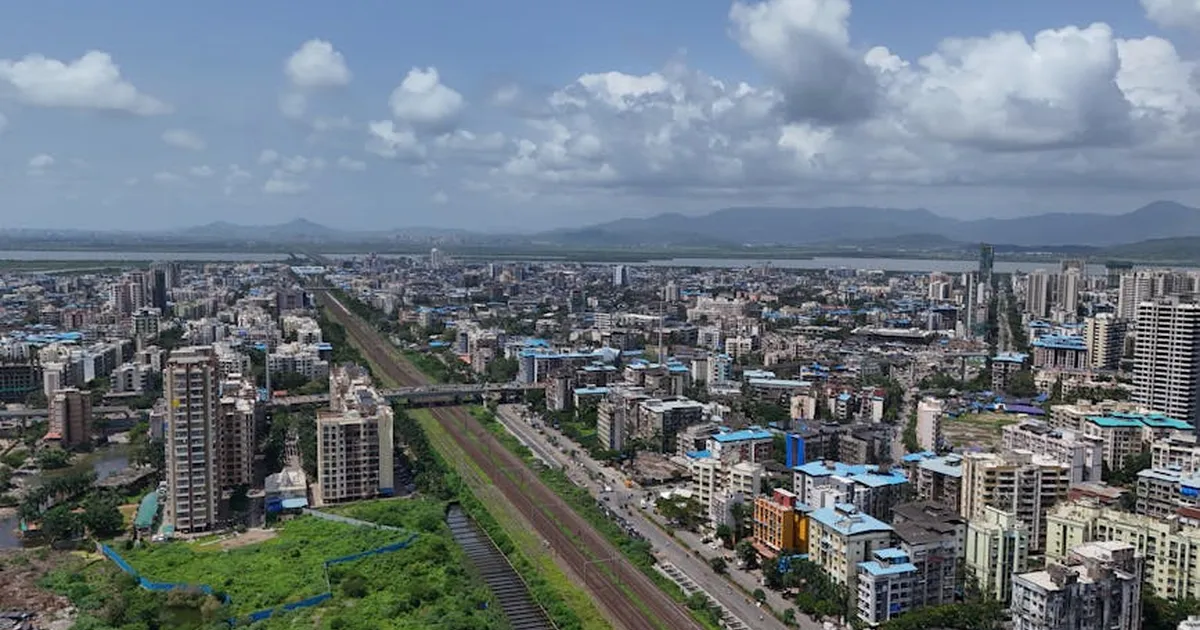
Kharghar Coastal Road To Reshape Connectivity In Navi Mumbai
Kharghar Coastal Road 9.68 km infrastructure project begins 2026. Cuts airport travel from 45 to 15 minutes. CIDCO ₹1,020 cr investment. Real estate impact...
 News
News
Arvind Smartspaces Launches New Bengaluru Residential High-rise Project Worth ₹550 Crore
Arvind SmartSpaces acquires 4.6 lakh sq ft high-rise project in Nallurahalli, Whitefield, Bengaluru worth ₹550 crore. Expected launch late 2026. Premium 2-3...