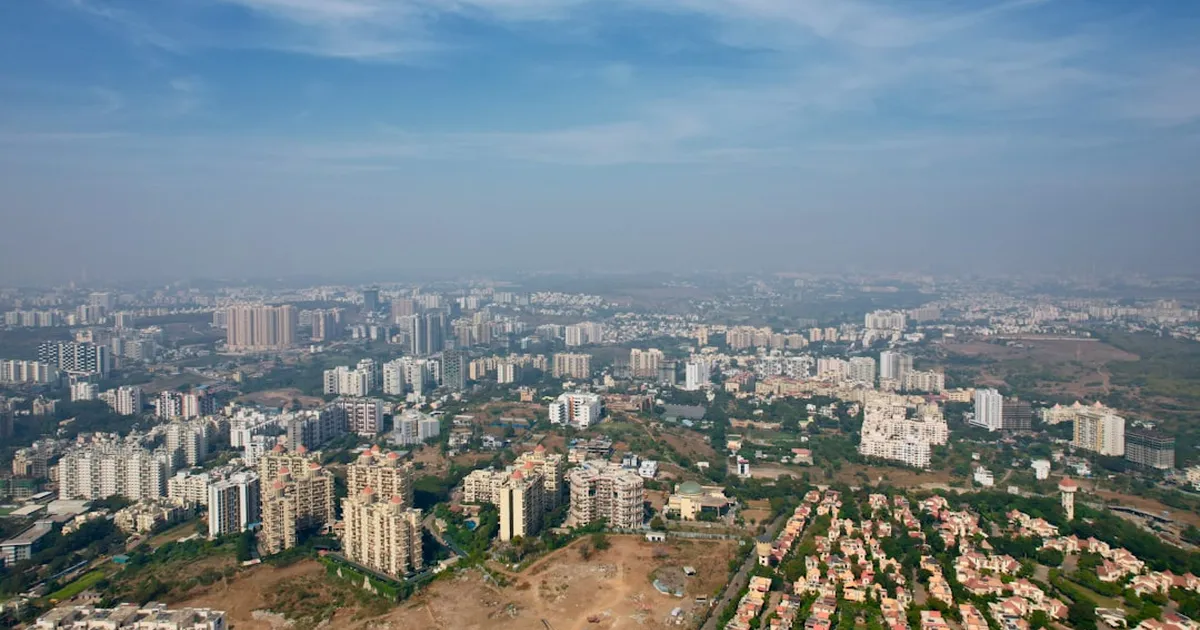
Q1 2026 Land Acquisitions Continue At ₹18,000 Crore Across 900 Acres As Developers Maintain Aggressive Expansion Into 2026

Developers Acquire 900 Acres Worth ₹18,000 Crore in Q1 2026 as Land Boom Accelerates
India's real estate sector is witnessing an unprecedented acceleration in land acquisitions. In the first quarter of 2026, developers acquired approximately 900 acres across key markets, valued at nearly ₹18,000 crore, according to a report released by JLL on April 22, 2026. This momentum builds on 2025's record-breaking performance, when developers acquired 3,093 acres across 149 transactions worth ₹54,818 crore—a 32% year-on-year surge. The Mumbai Metropolitan Region recorded the largest single deal, with an 11-acre parcel transacted for ₹5,400 crore, equivalent to ₹490 crore per acre. These acquisitions are expected to unlock approximately 229 million square feet of development potential over the next two to five years, signaling sustained developer confidence and strong market fundamentals.
Impact on Homebuyers
For homebuyers, this aggressive land acquisition spree carries mixed implications. The surge in land banking indicates a robust pipeline of new residential projects launching over the next 2-5 years, which should increase housing supply and potentially moderate price escalation in the medium term. However, in the near term, prices may continue rising as developers complete construction on recently acquired parcels. Buyers in Tier I cities—Mumbai, Bengaluru, Hyderabad, Delhi-NCR, Pune, Chennai, and Kolkata—should expect sustained price momentum, as these markets absorbed 89% of capital deployed despite representing only 52% of land area acquired. Conversely, emerging Tier II cities like Ahmedabad, Indore, Lucknow, and Nagpur offer better value propositions with lower per-acre costs. First-time homebuyers should act strategically: those seeking premium locations in metros may face higher prices, while buyers comfortable with emerging cities can capitalize on lower entry points. The emphasis on residential projects—which account for 78% of acquired land—suggests strong developer confidence in housing demand, making this a favorable environment for quality properties from established developers.
Expert Analysis
This acceleration reflects a structural shift in India's real estate market. Developers are aggressively building land banks in response to robust housing demand, particularly in premium and luxury segments that have outperformed since the pandemic. The 32% year-on-year growth in 2025 and sustained momentum into Q1 2026 indicate developers expect strong absorption and pricing power. However, the capital requirement tells a critical story: developing these 3,093 acres acquired in 2025 alone will require ₹92,000 crore in construction capital, with external financing needs exceeding ₹52,000 crore. Traditional banking channels face regulatory constraints, creating opportunities for Alternative Investment Funds and private credit providers. The skewed investment pattern—89% of capital in Tier I cities despite only 52% of land—reveals that developers are prioritizing high-value metro projects over volume-driven expansion. Individual landowners account for 65% of transactions, highlighting the fragmented land supply landscape. This dynamic suggests developers will increasingly rely on joint development agreements and strategic partnerships to scale acquisition velocity.
What to Expect Next
Over the next 12-24 months, expect accelerated project launches across metros, with completion timelines extending into 2028-2030. Residential launches in Q2-Q3 2026 should reflect Q1 land acquisitions, with pricing likely to firm further as construction capital deployment begins. The financing ecosystem will evolve, with AIFs and private equity playing larger roles alongside traditional lenders. Tier II cities will likely see increased marketing push from developers seeking to diversify portfolios. Interest rate movements will be critical—any RBI rate cuts could unlock additional buyer demand, accelerating absorption and justifying premium pricing. By late 2026, market data should reveal whether the aggressive land banking translates into healthy sales velocity or inventory buildup.
Related Projects & Areas Affected
- Mumbai Metropolitan Region (MMR): Dominates by transaction value; premium projects in Parel, Bandra, and peripheral zones gaining traction from land acquisitions.
- Bengaluru: Emerging as second-largest market; land acquisitions focus on South and East Bengaluru corridors for mixed-use and residential developments.
- Delhi-NCR: Government bodies remain dominant land sellers; new acquisitions concentrated in peripheral growth corridors like Gurugram and Noida.
- Pune: Strong residential focus; developers acquiring land for integrated townships and premium projects across IT hubs and suburban areas.
- Hyderabad: Corporate entities lead land sales; commercial and mixed-use developments complementing residential expansion in tech corridors.
This article was drafted by Nitesh Kashyap, Junior Real Estate Writer with research support from artificial intelligence. AI assisted in gathering and summarizing information from primary news sources and official statements, and the final content was reviewed by our editor before publishing. News pages are timestamped at the time of writing and are not updated after publication.
Sources consulted: Primary press releases · Official company statements · Business news publications · Government notifications · State RERA filings (where relevant).
Published: 25 April 2026 · Spot an error? Let us know
Related News
 News
News
Rsvm Hospitality Acquires 100% Stake In Neterwala Group For 18.6-acre Land Parcel In Thane For $55 Million
RSVM Hospitality acquires 18.6-acre Majiwada land for ₹498 crore in Q1 2026's top real estate M&A deal. Impact on Thane prices, buyer strategy, and market...
 News
News
Blackstone Invests $378 Million In South City Mall Kolkata, Largest Commercial Real Estate Deal Of Q1 2026
Blackstone acquires South City Mall Kolkata for $378 million in largest Q1 2026 commercial real estate deal. Impact on buyers, market analysis, and what's next.
 News
News
India's Q1 2026 Real Estate Deal Activity Falls 36% In Value To $763 Million Despite 14% Rise In Deal Volumes: Grant Thornton Report
Grant Thornton Q1 2026 report: India real estate deal values dropped 36% YoY to $763M, with deal volumes up 14%. Commercial assets dominate as investors adopt...
 News
News
Yeida Launches Mixed-use Plot Scheme Near Jewar Airport For Hotels, Shops, And Offices
YEIDA has launched a new mixed-use plot scheme for hotels, shops, and offices near Jewar Airport. Analyze the impact on property prices and homebuyers.