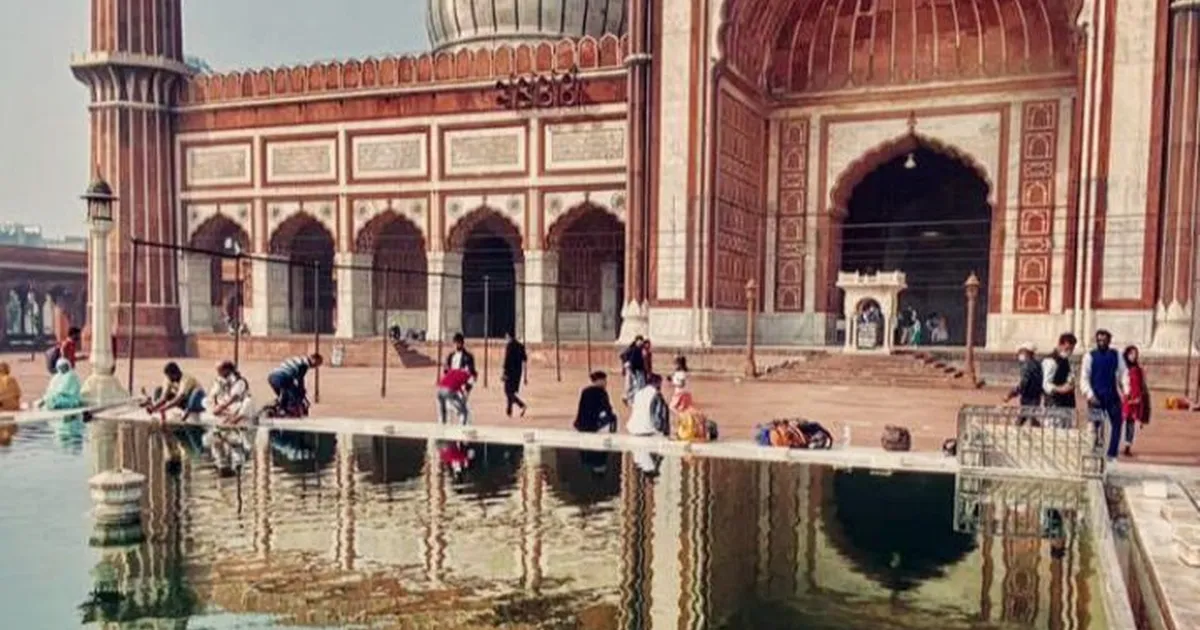
Photo by Ajay Singh via Google Places
New Delhi

About New Delhi Real Estate
New Delhi is not just India's political capital — it is one of the most consequential real estate markets in the country, a city where government employment, diplomatic missions, trade, retail, and an increasingly robust private sector all converge to create relentless housing demand. The National Capital Territory of Delhi, with a population exceeding 32 million in the broader metropolitan region, is a market that never truly goes quiet.
The last five years have been transformative. After the pandemic-induced lull of 2020–21, Delhi NCR's residential market roared back with a vengeance. Average residential prices jumped from roughly ₹5,800 per sq ft in 2023 to nearly ₹7,550 per sq ft in 2024 — a 30% single-year surge, the highest among India's top seven cities. That kind of appreciation in a single calendar year is extraordinary and reflects a perfect storm of rising input costs, premium segment demand, and a supply pipeline that couldn't keep pace with aspirational buyers.
What drives this city? Government and PSU employment remain the bedrock. But over the last decade, Delhi has diversified significantly — Aerocity has emerged as a world-class hospitality and business district, Connaught Place remains among India's most expensive commercial addresses, and the IT and startup ecosystem has grown substantially in Noida and Gurugram (which feed directly into Delhi's residential demand). The luxury and ultra-luxury segment is particularly hot right now, with developer launches in the ₹5–15 crore range selling out within days. The current market phase is best described as premium-led stabilisation — the explosive 30% annual jumps are unlikely to repeat, but steady 8–12% annual appreciation is the consensus forecast through 2026–27.
Why Invest in New Delhi
The investment case for New Delhi real estate has rarely been stronger, but it requires nuance. Here's what the data actually says:
Price Appreciation (5-Year Track Record): Delhi NCR achieved the highest compound annual growth rate (CAGR) of over 11% across Q4 2020 to Q4 2025 among India's top seven cities. In specific micro-markets like Greater Kailash, builder floor prices rose 59.6% over five years. Rohini land rates surged 84.4% in the same period. These are not cherry-picked outliers — they reflect a broad-based structural upswing.
Compared to other asset classes: A 5-year CAGR of 11%+ in property significantly outpaces fixed deposits (which yielded 6–7% annually in the same period) and largely matches gold's performance over the same window. Equity markets delivered higher returns in bull years but with far greater volatility. Real estate in Delhi offers the additional benefit of rental income, which has been climbing sharply — Delhi rents rose 17.8% quarter-on-quarter in Q3 2025 alone, and annual rental inflation across the NCR sat between 7% and 9% in H1 2025.
Key Infrastructure Tailwinds:
- Delhi Metro Phase 4 — Two major corridors were inaugurated by PM Modi in March 2026, with the full Phase 4 project targeted for completion by 2028. This adds 45+ new stations and over 65 km of new track, directly unlocking residential value in corridors like Janakpuri, RK Ashram, Tughlakabad, and Aerocity.
- Delhi Metro Phase 5 — Approved by the Union Cabinet in December 2025, Phase 5 adds 13 new stations across three corridors (including RK Ashram Marg to Indraprastha), expected to be operational by late 2028.
- Delhi–Mumbai Expressway — The 1,386-km expressway is in advanced stages of completion, with over 82% of the route already accessible. Full operationalisation significantly reduces logistics costs and boosts Delhi's connectivity to western India.
- Delhi–Dehradun Expressway and Delhi–Amritsar–Katra Expressway — Both projects will pass through or near Delhi, improving inter-city connectivity and making peripheral localities more attractive for investment.
- Rithala–Kundli Metro Corridor — Cabinet-approved with a ₹6,230 crore budget, this corridor will open up North Delhi and connect it to Haryana, with completion expected within four years of sanction.
A word of caution: The 30% single-year jump of 2024 has already triggered some demand moderation. Delhi saw an 11.9% quarter-on-quarter decline in residential demand in Q1 2025, as affordability stretched thin for mid-income buyers. Investors should focus on infrastructure-adjacent micro-markets rather than expecting uniform city-wide appreciation at the 2024 pace.
Price Trends
Here is a locality-by-locality breakdown of current property prices across Delhi's key residential zones, compiled from 99acres, MagicBricks, NoBroker, and other public portals as of early 2026:
| Locality | Current Avg Price (₹/sq ft) | 1-Year Change (%) | 3-Year Change (%) | Budget Segment |
|---|---|---|---|---|
| Greater Kailash (GK I & II) | ₹24,650–₹35,700 | +7.9% | +43.2% | Premium / Ultra-Luxury |
| Vasant Kunj | ₹13,000–₹18,000 | +9% | +28% | Premium |
| Dwarka (Sectors 6, 12, 19, 23) | ₹9,500–₹13,500 | +11% | +25% | Mid to Premium |
| Rohini (Sectors 9, 13, 14) | ₹12,500–₹14,700 | +13.3% | +10.2% | Mid to Premium |
| Karol Bagh | ₹18,000–₹22,000 | +8% | +22% | Premium |
| Saket / Sarita Vihar | ₹9,000–₹13,000 | +10% | +20% | Mid-Segment |
| Laxmi Nagar / Mayur Vihar Phase I | ₹9,000–₹11,000 | +8% | +18% | Mid-Segment |
| Janakpuri / Paschim Vihar | ₹8,500–₹11,500 | +9% | +19% | Mid-Segment |
| Uttam Nagar / Tilak Nagar | ₹7,500–₹9,500 | +7% | +16% | Affordable |
| Narela / Burari (North Delhi) | ₹6,500–₹8,500 | +6% | +14% | Budget / Affordable |
Analysis: Rohini stands out for its strong 13.3% annual appreciation in flat prices, driven by excellent metro connectivity across multiple lines and a well-established social infrastructure. Greater Kailash's 43% three-year jump reflects the luxury builder floor boom — but at ₹24,000–₹35,000/sq ft, entry costs are high and rental yields are modest (2–2.5%). Dwarka offers the most balanced equation right now: mid-to-premium pricing, Phase 4 metro connectivity incoming, and proximity to the airport corridor. Narela and Burari remain the most affordable entry points in Delhi proper, with land rates that rose 25% in a single year — a signal that peripheral areas are catching up fast. For mid-income buyers, Saket and Janakpuri remain the sweet spots — good schools, metro access, and prices that haven't gone completely out of reach.
Top Localities for Homebuyers
1. Dwarka (South-West Delhi)
Dwarka is arguably Delhi's most well-planned residential township — wide roads, DDA-developed sectors, and excellent metro connectivity via the Blue Line and Airport Express. Sectors 6, 12, and 19 are particularly sought-after for families, offering proximity to Venkateshwar International School, Dwarka Sports Complex, and easy access to IGI Airport (just 8–12 km, 15–20 minutes). Price range: ₹9,500–₹13,500/sq ft. Best for: families and government employees.
2. Rohini (North Delhi)
Rohini is North Delhi's answer to a self-contained suburb — it has its own malls (Unity One, Pacific Mall Rohini), hospitals (Sanjay Gandhi Memorial Hospital), and a dense metro network spanning the Red and Green Lines. The area has a large middle-class buyer base and strong rental demand from students and working professionals. Price range: ₹8,500–₹14,700/sq ft. Best for: mid-income families and first-time buyers.
3. Vasant Kunj / Vasant Vihar
One of Delhi's greenest neighbourhoods, Vasant Kunj is home to DLF Promenade and Ambience Mall, with wide tree-lined roads and excellent connectivity to South Delhi and Gurugram. The area attracts diplomats, senior executives, and NRI buyers. Vasant Vihar is even more exclusive, with large independent houses and a quieter residential character. Price range: ₹13,000–₹20,000/sq ft. Best for: HNI buyers and professionals working in Aerocity or South Delhi.
4. Greater Kailash (GK I & II)
GK is the gold standard for South Delhi living — the M-Block and N-Block markets are iconic, the neighbourhood has excellent restaurants, boutique stores, and a vibrant social scene. Builder floors here are snapped up by business families and NRIs who want Delhi's best address without the formality of a gated complex. Prices have appreciated 43% in three years, making this as much an investment as a lifestyle choice. Price range: ₹24,000–₹35,000/sq ft. Best for: affluent buyers, business families.
5. Saket
Saket offers a rare combination — proximity to South Delhi's premium belt, Select Citywalk (one of Delhi's best malls), AIIMS (2 km), and good metro access via the Yellow Line. The area has a mix of DDA flats and newer builder floors, making it accessible to a broader range of buyers. Price range: ₹9,000–₹14,000/sq ft. Best for: medical professionals, young families, and mid-segment buyers who want South Delhi without GK prices.
6. Janakpuri (West Delhi)
Janakpuri is West Delhi's most established residential hub — clean, well-planned, and served by both the Blue and Green Metro Lines. Pooja Hospital, Ryan International School, and the Janakpuri District Centre give it strong social infrastructure. It's particularly popular with Delhi government employees and business owners from the Karol Bagh-Rajouri Garden belt. Price range: ₹8,500–₹12,000/sq ft. Best for: mid-income families and West Delhi professionals.
7. Mayur Vihar Phase I (East Delhi)
Mayur Vihar is East Delhi's most liveable address — well-connected by the Blue Line metro, close to the Yamuna Expressway, and home to good schools like Delhi Public School and hospitals like Max Smart Super Speciality. The area has a large working professional population and decent rental demand. Price range: ₹9,000–₹12,000/sq ft. Best for: IT professionals, young couples, and East Delhi families.
8. Karol Bagh (Central Delhi)
Karol Bagh is Central Delhi's commercial and residential heartland — noisy and dense, yes, but unbeatable for connectivity (Blue and Green Line interchange), retail access, and sheer convenience. It's a strong rental market given its central location, and builder floors here have seen consistent appreciation. Not for those seeking quiet suburban life, but excellent for investors and professionals who value location above all. Price range: ₹18,000–₹22,000/sq ft. Best for: investors and buyers who prioritise central connectivity.
9. Chattarpur / Neb Sarai (South Delhi Fringe)
Chattarpur and Neb Sarai offer South Delhi addresses at significantly lower price points — under ₹9,000/sq ft in many pockets. The area has seen growing interest from buyers priced out of GK and Vasant Kunj, and the Yellow Line metro runs through Chattarpur station. The Qutub Minar is practically in the backyard. Price range: ₹7,500–₹10,000/sq ft. Best for: budget buyers wanting a South Delhi pin code.
10. Pitampura (North-West Delhi)
Pitampura is a mature, well-established neighbourhood in North-West Delhi with excellent schools (DAV Public School, Bal Bharati), the Netaji Subhash Place commercial hub, and Red Line metro connectivity. It attracts a stable middle-class buyer profile and has seen consistent, if unspectacular, price growth. Price range: ₹10,000–₹13,500/sq ft. Best for: families prioritising school quality and neighbourhood stability.
Top Localities for Investors
1. Dwarka Sector 21 / Aerocity Corridor
The Aerocity business district adjacent to IGI Airport has emerged as one of Delhi's most powerful commercial magnets — Worldmark, Hospitality District, and a growing office ecosystem. Dwarka Sector 21 (Airport Express terminal) is the residential gateway to this zone. Rental demand from airline staff, hotel professionals, and corporate tenants is strong and growing. Rental yield: 3–4%. Appreciation potential over 3 years: 25–35%, driven by Phase 4 metro expansion and Aerocity's continued growth.
2. Rohini (Sectors 9, 13, 14)
Rohini's land rates rose 25.2% in a single year and 84.4% over five years — numbers that speak for themselves. The upcoming Rithala–Kundli metro corridor will further boost North Delhi connectivity, and Rohini's large residential population ensures steady rental demand. Rental yield: 2.5–3.5%. This is a mid-income investment with strong capital appreciation credentials.
3. Narela / Bawana (North Delhi Periphery)
Narela is Delhi's last large affordable zone — DDA has been developing housing here, and the area sits on the Delhi–Panipat highway corridor. Land prices are still under ₹8,500/sq ft but have been appreciating sharply as buyers get priced out of inner Delhi. The planned metro extension toward Kundli will be a game-changer. This is a 5–7 year patient investment, not a quick flip. Best for: long-term land investors with a high risk appetite.
4. Janakpuri West (Phase 4 Metro Beneficiary)
Janakpuri West is the starting point of the first operational Phase 4 metro section (inaugurated January 2025) and is positioned to benefit enormously as the RK Ashram corridor extends further. Properties within 500 metres of the new metro stations are already seeing a 10–15% premium over the neighbourhood average. Rental yield: 2.5–3%. Appreciation potential: strong, as Phase 4 completion through 2028 continues to unlock value.
5. Tughlakabad / Badarpur (South-East Delhi)
Tughlakabad is the southern terminus of the Phase 4 Aerocity corridor — a new metro line connecting this historically underserved area to the airport zone. Property prices here are still relatively low (₹7,000–₹10,000/sq ft), making the entry cost attractive. As the metro becomes operational and the Faridabad border connectivity improves, this corridor has 30–40% appreciation potential over 4–5 years.
6. Chattarpur / Mehrauli
Chattarpur's builder floor market has attracted significant investor interest — large plots, South Delhi address, and a Yellow Line metro station. The area is increasingly attracting boutique hotel conversions and premium rental housing. Investors buying builder floors at ₹8,000–₹10,000/sq ft and renting to young professionals or diplomats can achieve rental yields of 3–4% with meaningful capital appreciation upside. The Mehrauli–Gurgaon Road also provides direct Gurugram access.
Infrastructure & Connectivity
Delhi Metro
Delhi Metro is the backbone of the city's connectivity and a primary driver of real estate values. The network currently spans 289 stations across 12 corridors, with an annual ridership of 2.35 billion in 2025 — making it one of the world's busiest metro systems.
- Red Line (Line 1): Rithala to Shaheed Sthal (New Bus Adda) — Operational. Covers Rohini, Kashmere Gate, Dilshad Garden.
- Yellow Line (Line 2): Samaypur Badli to HUDA City Centre — Operational. Delhi's busiest corridor; covers Chandni Chowk, Connaught Place (Rajiv Chowk), AIIMS, Hauz Khas, Saket, Chattarpur.
- Blue Line (Line 3/4): Dwarka Sector 21 to Noida Electronic City / Vaishali — Operational. Covers Janakpuri, Rajouri Garden, Karol Bagh, Connaught Place, Mayur Vihar.
- Green Line (Line 5): Inderlok to Brigadier Hoshiyar Singh — Operational. Covers Ashok Park, Punjabi Bagh, Mundka.
- Violet Line (Line 6): Kashmere Gate to Raja Nahar Singh (Ballabhgarh) — Operational. Covers Lajpat Nagar, Sarita Vihar, Badarpur.
- Pink Line (Line 7): Majlis Park to Shiv Vihar — Operational. At 60 km, the longest line; covers Azadpur, Netaji Subhash Place, Durgabai Deshmukh South Campus, Lajpat Nagar, Mayur Vihar.
- Magenta Line (Line 8): Janakpuri West to Botanical Garden — Operational, with Phase 4 extension to Krishna Park Extension opened January 2025.
- Grey Line (Line 9): Dwarka to Dhansa Bus Stand — Operational.
- Airport Express Line: New Delhi to Yashobhoomi Dwarka Sector 25 — Operational. 22.7 km, connects IGI Airport to New Delhi Railway Station in approximately 20 minutes.
- Phase 4 (Under Construction / Partial Operation): 65+ km across three priority corridors (Janakpuri West–RK Ashram Marg, Aerocity–Tughlakabad, Majlis Park–Maujpur). Two major corridors inaugurated March 2026. Full Phase 4 completion targeted by 2028.
- Phase 5 (Approved, Under Planning): Approved December 2025. Adds 13 stations over 16 km across three corridors including RK Ashram Marg to Indraprastha and Aerocity to IGI Terminal 1. Expected completion by late 2028.
Expressways & Roads
- Delhi–Mumbai Expressway: Over 82% complete as of early 2026; full operationalisation expected by mid-2026. Will dramatically reduce freight and passenger travel times between Delhi and western India.
- Delhi–Dehradun Expressway: Under construction; will connect Delhi to Uttarakhand, boosting North Delhi and Saharanpur corridor.
- Delhi–Amritsar–Katra Expressway: Planned; will pass through North-West Delhi, boosting Rohini and Narela corridors.
- Urban Extension Road 2 (UER-2): Will improve connectivity between North-West Delhi, Gurugram, and IGI Airport — a major boost for Dwarka and Rohini.
- Ring Roads: Inner Ring Road and Outer Ring Road remain the primary arterial roads. The 135-km Delhi–Meerut RRTS (Rapid Rail Transit System) is operational, connecting Anand Vihar to Meerut in under 60 minutes.
Airport
Indira Gandhi International Airport (IGI) is approximately 16 km from Connaught Place (30–45 minutes by road, 20 minutes by Airport Express metro). It is India's busiest airport and a key driver of Aerocity and Dwarka real estate demand. Terminal 1 is being expanded under a major redevelopment project.
Railway Stations
New Delhi Railway Station (Paharganj side) and Hazrat Nizamuddin Railway Station are the two major intercity rail terminals. Old Delhi Railway Station (Delhi Junction) serves as the third major hub. The Delhi–Meerut RRTS connects Anand Vihar station to Ghaziabad and Meerut.
Government Policies & Regulations
RERA Authority
Delhi's real estate regulatory authority is the Delhi Real Estate Regulatory Authority (RERA Delhi). The official portal is rera.delhi.gov.in. All new residential projects with more than 8 apartments or plots exceeding 500 sq metres must be registered with RERA Delhi before marketing or selling units. Buyers should always verify project registration on this portal before booking.
Stamp Duty & Registration Charges
Delhi's stamp duty structure is one of the more buyer-friendly in India, especially for women:
- Male buyers: 6% stamp duty
- Female buyers: 4% stamp duty (a significant saving on high-value properties)
- Joint (male + female): 5% stamp duty
- Registration charges: 1% of the transaction value (maximum ₹1 lakh for properties above ₹1 crore)
Circle Rates
Delhi's circle rates are classified into eight categories — Category A (highest value areas like Vasant Vihar, Golf Links, Sundar Nagar) through Category H (lowest value peripheral areas like Narela, Bawana). Crucially, Delhi's residential and commercial circle rates were last revised in 2014 — meaning actual market prices are substantially higher than government circle rates in most localities. A major revision is being planned to align circle rates with current market realities. This revision, when it happens, will increase stamp duty outgo for buyers in mid-segment areas particularly.
Key Policy Developments
- DDA Housing Schemes: The Delhi Development Authority continues to periodically release housing inventory through lottery-based schemes, particularly for EWS and LIG segments. DDA flats in Dwarka, Rohini, and Narela are available at below-market rates through these schemes.
- Premium FSI: The Master Plan Delhi 2041 allows for higher FSI (Floor Space Index) in transit-oriented development (TOD) zones around metro stations — this is unlocking denser, higher-value development near Phase 4 stations.
- Circle Rate Revision (Pending): The proposed revision will align notified rates with market prices. Mid and lower-segment areas are expected to see sharper circle rate hikes than premium localities. Buyers planning purchases in the next 6–12 months should factor in potentially higher stamp duty costs post-revision.
Living in New Delhi
Climate: Delhi has extreme seasons — genuinely extreme. Summers (April–June) regularly hit 44–46°C, making outdoor life miserable for weeks. Winters (December–January) can drop to 3–5°C with dense fog that disrupts flights and road travel. The monsoon (July–September) brings relief but also severe waterlogging in low-lying areas. If you're relocating from a milder climate, prepare for an adjustment period.
Air Quality: This is Delhi's most serious livability concern and deserves honest mention. The city experiences severe air pollution from October to February, with AQI regularly crossing 300–400 (hazardous range) during peak winter months. The smog is caused by a combination of crop burning in Punjab and Haryana, vehicular emissions, industrial activity, and unfavourable weather patterns. The government has implemented GRAP (Graded Response Action Plan) measures, CNG bus fleets, and metro expansion to address this — but meaningful improvement will take years. Families with young children or respiratory conditions should factor this in seriously.
Water & Power: Water supply is uneven across Delhi. Premium areas like Vasant Vihar, Defence Colony, and Lutyens' Delhi have reliable municipal supply. Peripheral areas and unauthorised colonies often depend on tankers and borewells. Power supply has improved significantly with BSES and Tata Power distribution — premium residential areas rarely face extended outages. Most good housing societies have backup DG sets.
Safety: Delhi's safety situation is mixed. Central and South Delhi's planned colonies are generally safe and well-policed. Old Delhi, certain East Delhi pockets, and some unauthorised colonies require more caution, particularly at night. The city has a large police presence and extensive CCTV coverage in commercial areas. Women's safety remains a concern that the city continues to grapple with, and this is a factor many relocating families discuss openly.
Food & Culture: Delhi's food scene is genuinely world-class — from the legendary parathas of Paranthe Wali Gali in Chandni Chowk to the fine dining of Khan Market and the rooftop restaurants of Connaught Place. The city has India's best concentration of museums (National Museum, National Rail Museum, Crafts Museum), heritage monuments (Red Fort, Qutub Minar, Humayun's Tomb, Lotus Temple), and performing arts venues. The cultural calendar is packed year-round.
Weekend Getaways: Delhi's location is a genuine advantage for travellers. Agra (Taj Mahal) is 200 km away — 3 hours by Yamuna Expressway or 2 hours by Gatimaan Express train. Jaipur is 280 km (3.5 hours). Mussoorie and Nainital are 300–350 km (5–6 hours). Shimla is 370 km. For a city person, Delhi offers unmatched weekend escape options in virtually every direction.
Schools & Hospitals: Delhi has some of India's finest educational institutions — Sanskriti School, Modern School Barakhamba, DPS R.K. Puram, The Shri Ram School, and Vasant Valley School are consistently ranked among the country's best. For healthcare, AIIMS Delhi remains India's premier public hospital, and private options like Max Smart Super Speciality (Saket), Fortis Escorts (Okhla), Indraprastha Apollo (Jasola), and Sir Ganga Ram Hospital (Rajinder Nagar) offer world-class care.
FAQ
Is New Delhi a good city for real estate investment in 2025–26?
Yes, with selectivity. Delhi NCR delivered the highest residential price CAGR (over 11%) among India's top seven cities over the last five years. The rental market is also strengthening, with Delhi recording 17–18% quarter-on-quarter rental demand growth in 2025. The best opportunities lie in infrastructure-adjacent micro-markets — Phase 4 metro corridors, Aerocity surrounds, and North Delhi's emerging zones like Narela. Broad city-wide bets at current prices carry more risk than they did in 2021–22.
Which is the best area to buy a flat in New Delhi?
It depends entirely on your budget and purpose. For families: Dwarka (balanced pricing, great infrastructure, metro access). For premium buyers: Greater Kailash or Vasant Kunj. For mid-income buyers: Rohini, Janakpuri, or Saket. For investors on a budget: Chattarpur, Narela, or Tughlakabad (Phase 4 metro beneficiaries). There is no single best area — the right locality depends on your commute needs, school preferences, and budget.
New Delhi vs Gurugram: Where should I buy?
This is a genuine dilemma for many NCR buyers. Delhi offers better civic infrastructure, established neighbourhoods, and a more diverse lifestyle. Gurugram offers newer housing stock, better gated community options, and proximity to the corporate IT/BFSI belt. Delhi property tends to hold value better in downturns due to scarcity of land. Gurugram offers higher rental yields (3.5–4.5%) compared to Delhi's inner-city average (2.5–3.5%). If you work in Gurugram, buying there makes commute sense. If you value Delhi's character and school options, stay in Delhi.
What is the property price forecast for New Delhi in 2026–27?
A Reuters poll of property analysts (February–March 2026) expects Delhi NCR home prices to rise 5–7% annually over the next three years — a moderation from the extraordinary 30% jump of 2024, but still meaningful appreciation. JLL's data shows Delhi NCR led price growth at 13% year-on-year in Q4 2025. The consensus is steady growth, not a correction, supported by infrastructure investment, urban migration, and a structural housing deficit in the city.
What is the stamp duty in New Delhi?
Stamp duty in Delhi is 6% for male buyers, 4% for female buyers, and 5% for joint male-female ownership. Registration charges are 1% of the transaction value (capped at ₹1 lakh for properties above ₹1 crore). Circle rates — the government's minimum property valuation for registration — were last revised in 2014 and a major revision is pending. Buyers should budget for stamp duty on the higher of the circle rate or the actual sale price.
Are there affordable housing options in Delhi?
Yes, but they are increasingly scarce. Narela, Bawana, Burari, and parts of Rohini (Sectors 16, 34) still offer properties under ₹8,500/sq ft. DDA housing schemes periodically release inventory at subsidised rates for EWS and LIG categories. Dwarka Mor and Palam in South-West Delhi offer properties under ₹8,500/sq ft with metro connectivity. Uttam Nagar and Tilak Nagar in West Delhi are the most accessible affordable zones with good social infrastructure.
What are the risks of buying property in Delhi?
Honest answer: several. First, air quality is a genuine quality-of-life concern, particularly for families with children. Second, water supply is unreliable in many peripheral and unauthorised colonies. Third, the pending circle rate revision could increase stamp duty costs. Fourth, many older Delhi properties have title and conversion issues — always engage a qualified lawyer for due diligence. Fifth, the city's traffic congestion is severe; proximity to a metro station is not a luxury but a necessity for daily commuters.
What rental yield can I expect from Delhi property?
Rental yields in Delhi typically range from 2% to 4%, depending on the locality and property type. Premium South Delhi builder floors yield 2–2.5%. Mid-segment areas like Rohini, Dwarka, and Mayur Vihar yield 2.5–3.5%. Properties near metro stations or in Aerocity surrounds can achieve 3.5–4%. Delhi's rental market is strengthening — rents rose 4.5% quarter-on-quarter in Q3 2025, and annual rental inflation across NCR was 7–9% in the first half of 2025. For pure rental income, Noida and Greater Noida within the NCR currently offer better yields than inner Delhi.
This page was compiled by Laxmi Rawat, Real Estate Content Writer (Freelancer) using artificial intelligence to research the city's real-estate market, infrastructure, and growth trends. AI assisted in gathering data from public portals and industry reports, and the final content was reviewed by our editor before publishing. We update city profiles as market data and infrastructure announcements evolve.
Sources consulted: 99acres city data · MagicBricks city data · Housing.com · Public news archives · Industry reports (Knight Frank, ANAROCK, JLL where cited) · Government infrastructure announcements.
Last reviewed: 25 April 2026 · Spot an error? Let us know
Projects in New Delhi
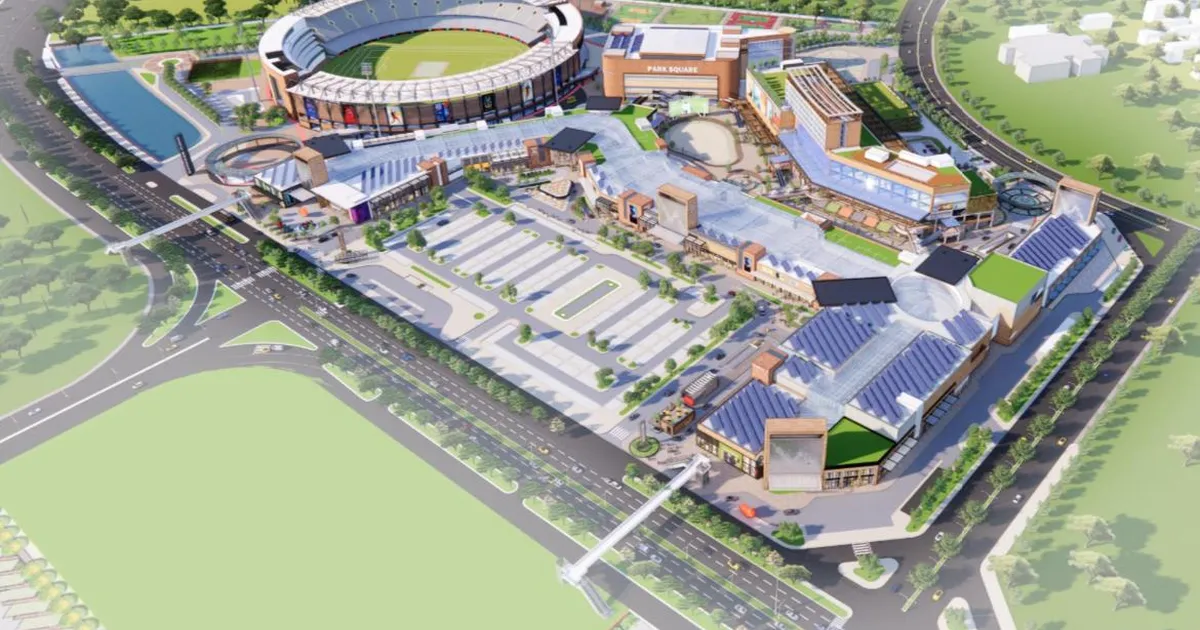 Under Construction
Omaxe Dwarka
by Omaxe Limited
Sector 19b, Dwarka, New Delhi
₹50 Lakhs – ₹4.50 Cr+
Retail Shops, Food Court Units, Anchor Spaces, Drive-Through, SCO (Shop-Cum-Office)