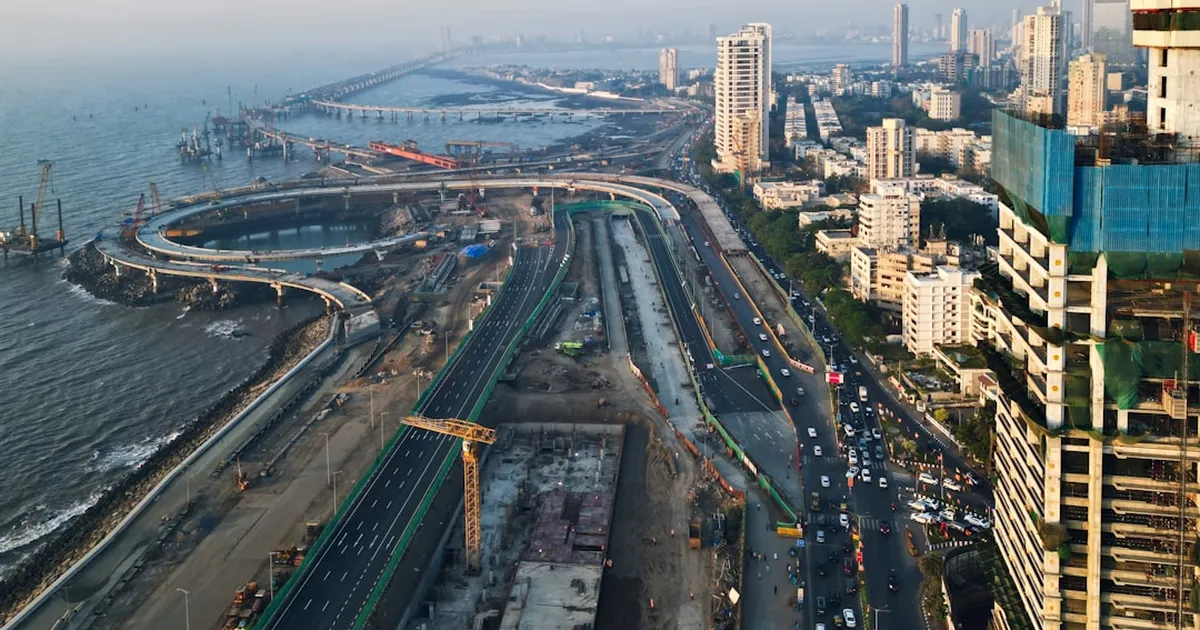
Mumbai Metro Line 3 Full Rollout Reshapes Residential Demand Across Worli Lower Parel And Western Suburbs In 2026

Mumbai Metro Line 3 Fully Operational: Worli, Lower Parel, and Western Suburbs Poised for Real Estate Surge
Mumbai Metro Line 3 (the Aqua Line) reached full operational status on 8 October 2025, completing a transformative 33.5-kilometre underground corridor connecting Cuffe Parade in the south to Aarey JVLR in the north. The line, operated by Mumbai Metro Rail Corporation Limited (MMRC), spans 27 stations and has already begun reshaping residential demand across South Mumbai, Central Mumbai, and key western suburbs. The full rollout eliminates the final connectivity gaps that existed when Phase 1 (BKC to Aarey, 12.69 km) launched in October 2024 and Phase 2A (BKC to Acharya Atre Chowk, 9.31 km) opened in May 2025. With the entire 33.5 km corridor now live, commute times from South Mumbai to business districts like BKC have collapsed from 60–90 minutes by road to just 12–15 minutes by metro, triggering an unprecedented wave of buyer interest in previously undervalued micro-markets.
Impact on Homebuyers: The Price Appreciation Window
Properties within 500 metres of Metro Line 3 stations are commanding an 8–15% premium over those further away, with premium micro-markets like Worli and BKC seeing 12–18% appreciation since metro construction began. Worli now trades at ₹40,000–95,000 per sq ft, while Lower Parel sits in the ₹40,000–50,000 range — still affordable relative to South Mumbai's ₹80,000+ per sq ft, yet now carrying identical north-south connectivity. This creates a narrow but critical window: early investors in Worli, Mahalaxmi (₹61,800 per sq ft), and Parel are capturing pre-peak-ridership pricing. Once daily ridership stabilizes (currently tracking 1.5+ million commuters daily across the full network), rental yields in BKC-adjacent areas have already improved to 2.8–3.5% per annum, above the Mumbai average of 2.2–2.8%. For buy-to-let investors, this represents a rare combination of capital appreciation and income stability. However, entry prices in Worli remain high, limiting accessibility for mid-income buyers; Lower Parel and Dharavi offer better value for first-time metro-linked investors.
Expert Analysis: Why This Matters for Mumbai's Real Estate Cycle
The full operationalization of Metro Line 3 represents a watershed moment in Mumbai's real estate evolution. For decades, South Mumbai commanded premium pricing purely on legacy status; professionals working in BKC accepted brutal commutes as the trade-off for living in the city's most desirable neighbourhoods. Metro Line 3 eliminates that trade-off entirely. When Worli becomes a 12-minute metro ride from BKC, it stops being a luxury for the elite and becomes a practical choice for senior professionals across the city. Demand expands. Prices follow. This psychological shift is already visible: rental demographics are shifting toward metro-adjacent properties, with high-income professionals prioritizing commute time over traditional status markers. The underground nature of Line 3 also offers a competitive advantage over elevated metro lines — cleaner stations, quieter rides, and integration with South Mumbai's heritage architecture rather than visual intrusion. The line's integration with Lines 2A, 2B, and 7 creates a multi-line network effect, further boosting micro-markets like SEEPZ, Andheri East, and Marol Naka. Areas like Dadar have seen a "luxury boutique" revival, with travel to both BKC and South Mumbai now under 20 minutes, pushing prices up 15% in the past year alone.
What to Expect Next
As Metro Line 3 matures through 2026, three developments will shape real estate dynamics: (1) Peak ridership stabilization — currently running 1.5+ million daily commuters, the line is expected to reach its design capacity of 1.7 lakh passengers per day; (2) Last-mile connectivity improvements — municipal authorities are upgrading auto-rickshaw stands, bicycle racks, and feeder bus routes at all 27 stations to address current connectivity gaps that are limiting full adoption; and (3) Commercial spillover — office rents in BKC have already touched ₹350 per sq ft, forcing companies to seek "metro-connected" housing for employees, which will drive secondary demand in Bandra East, Kalina, and MIDC. Expect properties within walking distance of Worli, Acharya Atre Chowk, and Dadar stations to see accelerated appreciation through Q4 2026 as corporate relocations complete.
Related Projects & Areas Affected
- Worli (Acharya Atre Chowk & Science Museum stations): Premium residential micro-market benefiting from dual infrastructure (Metro Line 3 + Coastal Road); highest HNI and NRI buyer concentration.
- Lower Parel (Acharya Atre Chowk station): Emerging commercial-residential hub with ₹40,000–50,000 per sq ft pricing; strong rental investor interest.
- Mahalaxmi (Mahalaxmi station): Heritage locality with surging demand; ₹61,800 per sq ft average reflects metro-driven appreciation.
- Dadar (Dadar station): Central location with renewed buyer interest; 15% price appreciation in past year due to sub-20-minute connectivity to BKC and South Mumbai.
- Bandra East & Kalina (BKC station proximity): Secondary residential catchment seeing 12–18% appreciation; target market for corporate housing.
- SEEPZ & Andheri East (Marol Naka & MIDC stations): Industrial-to-mixed-use transition zones; tech and logistics workforce driving 8–10% price appreciation.
Key Investment Zones on Metro Line 3
| Zone | Key Stations | Current Price Range | Rental Yield | Investment Profile |
|---|---|---|---|---|
| South Mumbai (Island City) | Cuffe Parade, Churchgate, CSMT, Kalbadevi, Girgaon, Grant Road | ₹60,000–120,000/sq ft | 2.2–2.8% | Heritage premium; limited supply; HNI buyers |
| Central Mumbai (Worli–Dadar) | Worli, Acharya Atre Chowk, Mahalaxmi, Dadar, Shitladevi | ₹40,000–95,000/sq ft | 2.5–3.2% | Fastest-appreciating; dual infrastructure; corporate demand |
| Dharavi–BKC Corridor | Dharavi, BKC, Vidyanagri | ₹35,000–80,000/sq ft | 2.8–3.5% | Commercial-residential mix; highest office spillover demand |
| Airport & Northern Suburbs | Santa Cruz, CSIA T1, CSIA T2, Sahar Road, Marol Naka, MIDC, SEEPZ, Aarey | ₹25,000–55,000/sq ft | 4.0–5.5% | Highest rental yields; tech workforce; airport proximity |
Buyer Considerations & Timing Strategy
For homebuyers evaluating entry points in 2026, proximity to Metro Line 3 stations within 500 metres is one of the most reliable appreciation signals available. Properties in Worli and Dadar command premium pricing today but are forecasted for the sharpest appreciation as daily ridership grows and corporate demand peaks. However, buyers should be aware of two headwinds: (1) In 2026, reports noted that ridership on some newly opened Mumbai Metro corridors, especially the Aqua Line, remained below expectations due to last-mile connectivity gaps and fare differentials, which may delay peak pricing realization; and (2) Entry prices in premium zones like Worli remain high (₹45,000–70,000 per sq ft), making them suitable primarily for high-ticket investors. For first-time buyers seeking metro-linked appreciation at lower entry points, Lower Parel and Bandra East offer better value. For rental investors, studio and 1-BHK properties near SEEPZ and Andheri East generate yields of 4–5.5%, significantly above city averages, though capital appreciation will lag premium zones. Ready-to-Move (RTM) properties near Metro 3 stations command a 15% rent premium over those just 1 km away, making pre-possession and under-construction projects attractive for long-term hold strategies.
Questions & Answers (0)
Ask a Question
Get answer immediately here.
Terms & Conditions — Q&A
By submitting a question on RealtyPromoo, you agree to these terms:
1. Content Policy
- Your question must be a genuine real estate query.
- No abusive, defamatory, or promotional content.
- No personal contact info, broker referrals, or spam.
- Questions are reviewed by AI and may be edited for clarity, grammar, or politeness before publication.
2. Publication
- Your first name + last initial (e.g., "Rahul S.") will be displayed publicly with the answer.
- Your full name, phone number, and email are never displayed publicly.
- Once published, your question and answer become part of RealtyPromoo's content.
3. Phone & Email Verification
- OTP verification is mandatory to prevent spam.
- Your phone number and email are stored securely and may be used by RealtyPromoo or its sales team to contact you regarding your query or related properties.
4. Answer Accuracy
- Answers are generated by AI based on publicly available information and the page context.
- Answers are informational only — not financial, legal, or investment advice.
- Always verify pricing, RERA status, and possession dates with the developer before any transaction.
- RealtyPromoo is not liable for decisions made based on AI-generated answers.
5. Pre-RERA / Pre-Launch Projects
- Some listed projects are pre-RERA / pre-launch. These listings are informational only.
- No booking, sale, or agreement is permitted before RERA registration.
- "Express Your Interest" forms collect contact details for future communication, not advance bookings.
6. Moderation
- RealtyPromoo reserves the right to delete, edit, or refuse to publish any question or answer.
7. Privacy
- Your data is handled per our Privacy Policy.
8. Jurisdiction
- These terms are governed by the laws of India.
- Disputes are subject to the courts of Noida, Uttar Pradesh.
Be the first to ask a question. Get an answer immediately.
Questions & Answers
This article was drafted by Tejinder Paul Singh, Real Estate Content Writer (Freelancer) with research support from artificial intelligence. AI assisted in gathering and summarizing information from primary news sources and official statements, and the final content was reviewed by our editor before publishing. News pages are timestamped at the time of writing and are not updated after publication.
Sources consulted: Primary press releases & company statements · Tier-1 business news (Economic Times, Livemint, Moneycontrol, Business Standard) · BSE / NSE corporate disclosures · Government notifications · State RERA filings (where relevant).
Published: 30 April 2026 · Spot an error? Let us know
Projects mentioned in this article
 New Launch
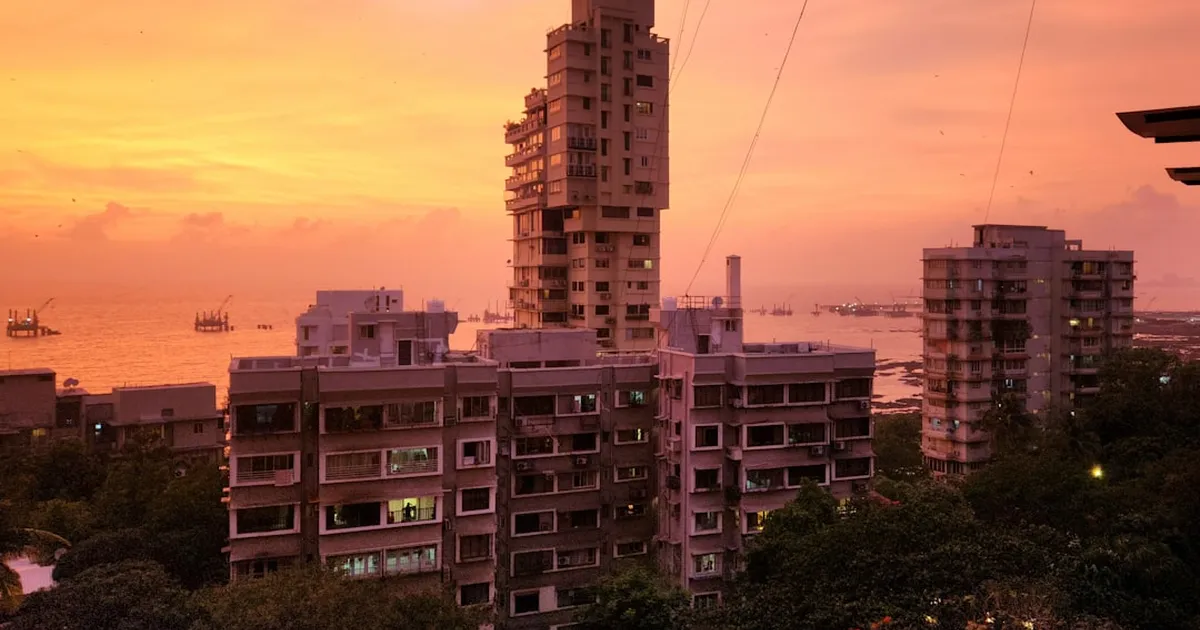
Lodha Parel Sewri Mumbai Project
by Lodha Group
Sewri, South Mumbai, Mumbai
₹5.87 Cr - ₹13.42 Cr
3 BHK, 4 BHK
 Upcoming
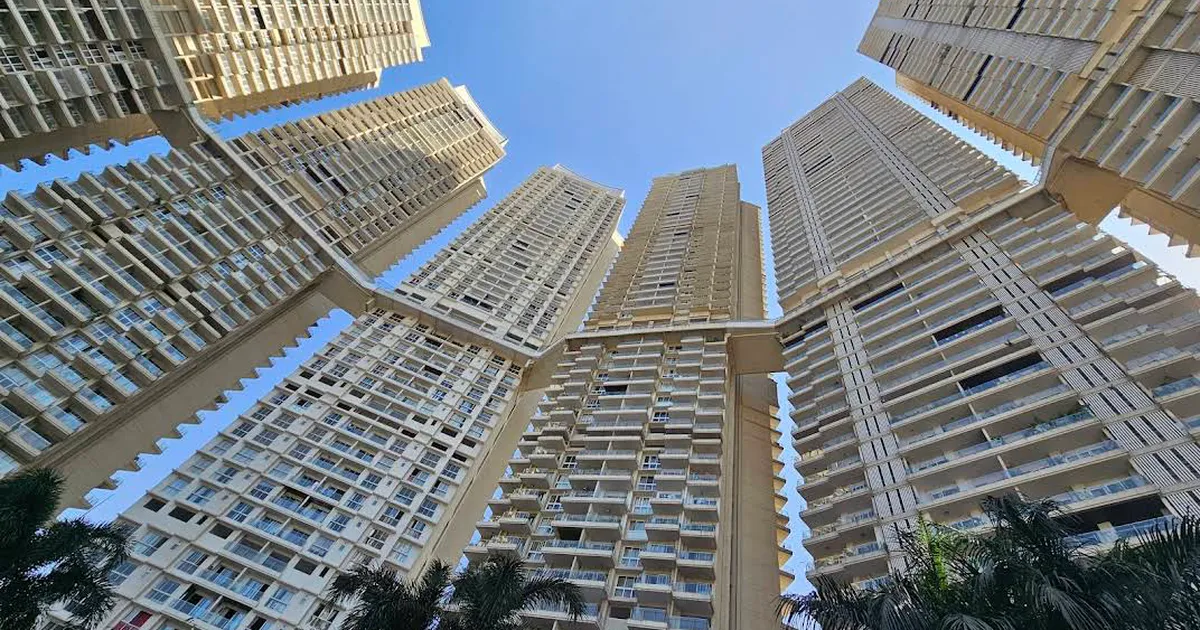
L&t Realty Elphinstone Road Mumbai Project
by L&T Realty (Larsen & Toubro)
Elphinstone Road, Lower Parel, Mumbai
Price on Request
Grade-A Commercial Office Floors (~14,000 sq.ft. carpet plates)
 Upcoming
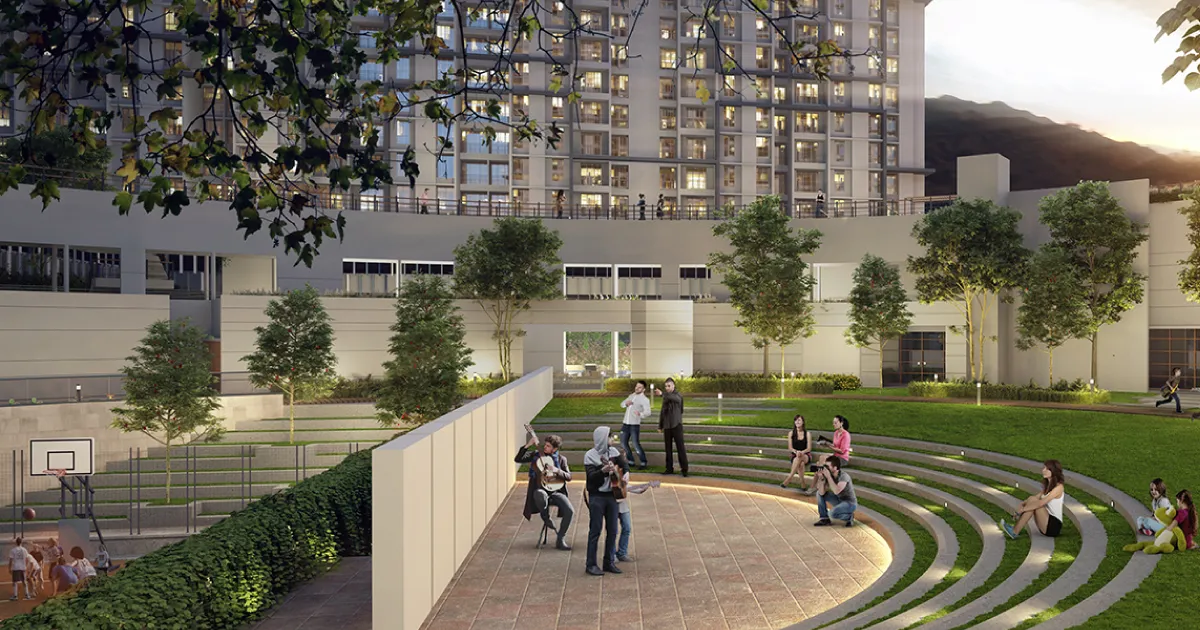
Godrej Thane Mumbai Project
by Godrej Properties Limited
Thane (mumbai Metropolitan Region), Thane
Price on Request
Likely 2 BHK, 3 BHK, 4 BHK (to be confirmed at launch)
 Ready to Move
Oberoi Realty Worli Mumbai Project
by Oberoi Realty Limited
Worli, Mumbai
₹45 Cr - ₹99 Cr
4 BHK, 5 BHK
Related News
 News
News
Prestige Group Launches Prestige Jijamata Nagar Luxury Residential Project In Worli Mumbai
Prestige Jijamata Nagar Worli: 1,520 luxury 2-3 BHK units, ₹88L-₹1.02Cr, 8 towers, RERA PR/270824/00698. Possession Dec 2028. Prime South Mumbai location.
 News
News
Kalpataru Group Launches Kalpataru One Ultra-luxury Project In Worli Mumbai With 4 & 5 Bhk Apartments Starting At ₹35.46 Crore
Kalpataru One Worli is a 5-acre ultra-luxury project with 4 & 5 BHK apartments starting ₹30.60 crore. MahaRERA registered, 45+ amenities, possession March...
 News
News
Godrej Properties Launches Godrej Trilogy Ultra-luxury Residential Project In Worli Mumbai
Godrej Trilogy Worli achieves ₹2,000 crore sales in Phase 1 (Nov 2025). Ultra-luxury 3-4 BHK sea-facing residences from ₹17.5 Cr. RERA approved. Possession...
 News
News
Runwal Group Plans New Luxury Residential Project In Chembur Mumbai With 2 And 3 Bhk Apartments
Runwal Group launches luxury residential projects in Chembur with 2 & 3 BHK apartments. Starting ₹2.4 Cr, RERA approval expected 2025. Prime location near...