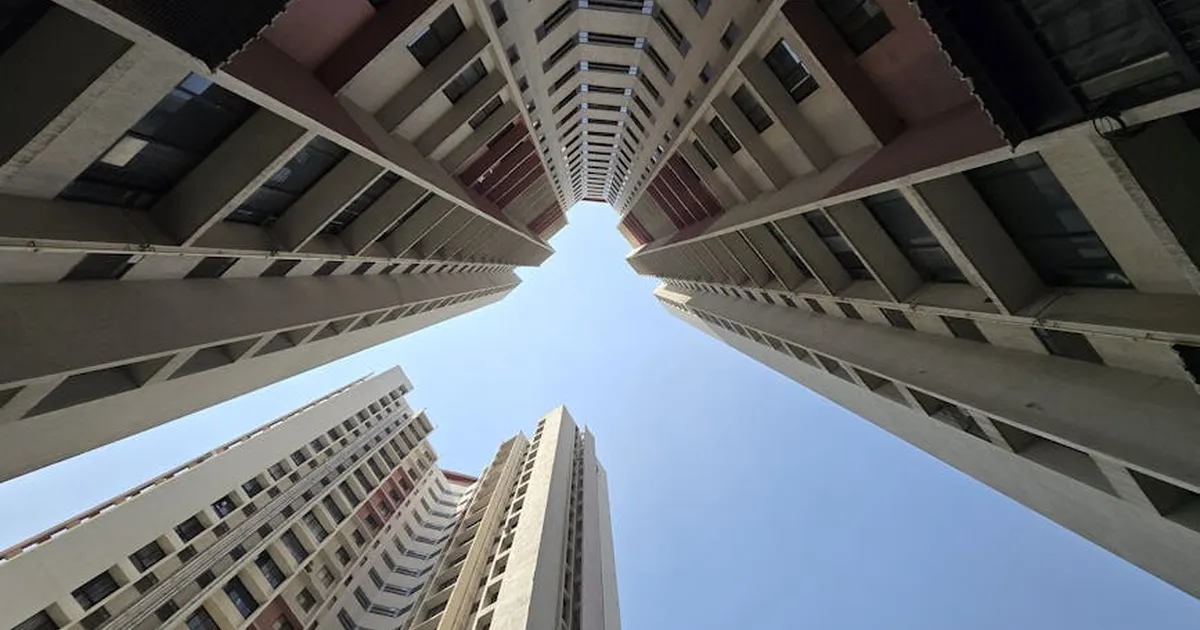
Ahmedabad Vs Pune For Luxury Property Investment In 2026

Ahmedabad vs Pune for Luxury Property Investment in 2026: The Definitive Guide
Two cities. Two very different investment stories. If you're an HNI, NRI, or serious real estate investor with a budget of ₹1.5 crore and above, the choice between Ahmedabad and Pune in 2026 is one of the most consequential decisions you'll make this decade. Both markets are growing. Both have genuine fundamentals. But they reward very different investor profiles — and choosing the wrong city for your goals can mean the difference between 8% annual appreciation and 15%.
This guide cuts through the marketing noise. We compare real prices, actual rental yields, transaction data, stamp duty costs, infrastructure catalysts, and honest risk factors — so you can make a decision backed by data, not developer brochures.
Quick Side-by-Side: Ahmedabad vs Pune Luxury Market at a Glance
| Parameter | Ahmedabad | Pune |
|---|---|---|
| Average City Property Price (2025–26) | ₹4,820/sq ft (city avg) | ₹12,961/sq ft (asking avg) |
| Luxury Segment Entry Price | ₹1.5 Cr – ₹5 Cr+ | ₹1.5 Cr (Hinjewadi) to ₹10 Cr+ (Koregaon Park) |
| Premium Zone Price Per Sq Ft | ₹9,000–₹13,500 (Sindhu Bhavan Rd, Bodakdev) | ₹13,000–₹22,000+ (Koregaon Park, Baner) |
| Rental Yield (Luxury) | 3%–5% | 3.5%–5.5% |
| Luxury Segment Annual Price Growth | 10–14% (premium zones) | ~15% (H1 2026 data) |
| Stamp Duty (State) | 4.9% (Gujarat) | 6%–7% + 1% Metro Cess (Maharashtra) |
| Registration Charges | 1% (waived for women) | 1%, capped at ₹30,000 |
| Total Transaction Cost | ~5.9% of property value | ~7–8% of property value |
| RERA Framework | GRERA (Gujarat) | MahaRERA (Maharashtra) |
| Key Infrastructure Catalyst | GIFT City, Metro Phase 2, Bullet Train, Commonwealth Games | Metro Line 3 (Hinjewadi–Shivajinagar), Lines 4 & 4A |
| Top Luxury Micro-Markets | Sindhu Bhavan Rd, Ambli, Bodakdev, Thaltej | Koregaon Park, Kalyani Nagar, Baner, Kharadi |
| Luxury Sales Momentum | Luxury segment doubled to 22% market share | Luxury sales up 85% YoY in H1 2026 |
Ahmedabad: The Value Play With Infrastructure Tailwinds
Ahmedabad's luxury market has quietly transformed over the last three years. What was once a city known almost entirely for mid-segment housing has evolved into a genuine premium destination — and it's still in the early innings of that shift.
The price story: Premium micro-markets like Ambli are currently at approximately ₹10,000/sq ft, Sindhu Bhavan Road at ₹9,000/sq ft, and Thaltej at around ₹8,000/sq ft. Even at these levels, Ahmedabad remains significantly cheaper than equivalent locations in Mumbai, Bengaluru, or Pune. The city's average sits at ₹4,820/sq ft, meaning premium areas trade at just 2x the city average — a healthy ratio that suggests the luxury segment isn't overheated.
The growth drivers are real and measurable: GIFT City — India's first operational International Financial Services Centre — has drawn Standard Chartered, HSBC, Bank of America, and dozens of global financial firms. Metro Phase 2 is expanding connectivity across the western and northern corridors. The Mumbai-Ahmedabad High Speed Rail project has land acquisition nearly complete, with construction visibly underway. And the Commonwealth Games infrastructure investment is creating genuine value in the Chandkheda, Motera, and Gota micro-markets, where analysts project 12–15% annual appreciation potential through 2028.
Rental yields are competitive: Narol delivers 6.7% yields, Jivraj Park 6.6%, and Ambli Bopal around 5.6% — figures that comfortably beat Mumbai's 2–3% and are comparable to Pune's best zones. Luxury units in Sindhu Bhavan Road and Bodakdev generate 3–5% yields with stronger long-term capital appreciation prospects.
The honest concerns: Ahmedabad launched aggressively in H1 2025 — over 22,000 units — and sales didn't immediately keep pace, leaving 36,231 unsold units with a QTS (Quarters to Sell) ratio of 7.6. That's not a crisis, but it does mean buyers have negotiating power in certain micro-markets. Also, as prices rise faster than rents in some pockets, yields could compress below 3% in overbuilt corridors. The city's luxury ecosystem — fine dining, international retail, cultural venues — is still maturing compared to Pune's established scene.
Pune: The Established Premium Market With Proven Demand
Pune's luxury market in 2026 is not a speculation story. It's a structural demand story. The city's IT ecosystem — anchored by Hinjewadi (Asia's largest IT park, employing 400,000+ professionals), EON IT Park in Kharadi, and the Baner corridor — generates a constant pipeline of high-income professionals who rent and buy luxury homes.
The price reality: Pune's registered transaction rate averages ₹8,700/sq ft across 52,766 transactions between May 2025 and April 2026, generating a gross value of ₹43,466 crore. That transaction volume tells you this is a liquid market — not a thin one where prices are easy to manipulate. Luxury asking prices range from ₹10,000–₹14,000/sq ft in Baner and Balewadi, to ₹18,000–₹22,000+/sq ft in Koregaon Park for marquee projects. Hinjewadi and Kharadi offer luxury entry points at ₹7,000–₹9,500/sq ft, making them the most accessible luxury zones for investors.
The Koregaon Park factor: Koregaon Park (KP) deserves a separate mention because it operates by different rules. Land scarcity is absolute — new inventory only comes from redevelopment of existing plots. The 2026 completion of the Mula-Mutha Riverfront Development and improved Metro connectivity have added fresh appeal. Projects like Godrej Skyline, Marvel Aurum, Panchshil Forest Castle, and Vascon Windermere Phase 2 are commanding ₹1.96 Cr to ₹3.95 Cr and above. Ultra-luxury 4–6 BHK options cross ₹10 Cr easily. KP is the closest Pune has to a "store of value" — the kind of address where prices don't fall even when the broader market softens.
Rental yields by zone: Kharadi delivers 3.5–4% yields with strong corporate tenancy — a ₹1 crore flat can generate ₹28,000–₹32,000/month. Hinjewadi and Wakad–Tathawade yield 3.5–4.5%. Residential properties citywide deliver 3–5%, with select areas reaching 5.5–6%.
The honest concerns: Pune's transaction costs are meaningfully higher — stamp duty of 6–7% plus a 1% metro cess means total transaction costs of 7–8% of property value versus Ahmedabad's ~5.9%. On a ₹3 crore purchase, that's a ₹63,000+ difference in upfront cost. The market is also entering a consolidation phase — residential sales dipped 3% in 2025, and buyers are more selective amid rising prices. Some corridors like Wagholi still struggle with water supply reliability, though infrastructure upgrades are underway. Traffic congestion in West Pune, particularly around Hinjewadi, remains a genuine livability concern that affects both end-user satisfaction and resale velocity.
Detailed Investment ROI Analysis: Where Does Money Work Harder?
| Investor Scenario | Ahmedabad Pick | Pune Pick | Expected 5-Year Total Return |
|---|---|---|---|
| ₹1.5–2 Cr budget, rental income focus | Ambli Bopal 3BHK (₹6,000–₹7,500/sq ft) | Kharadi 2BHK (₹7,500–₹9,000/sq ft) | AMD: 55–65% | Pune: 60–70% |
| ₹2–4 Cr budget, capital appreciation focus | Sindhu Bhavan Rd / Thaltej 3BHK | Baner / Balewadi 3BHK | AMD: 60–75% | Pune: 65–80% |
| ₹4–8 Cr budget, legacy/lifestyle | Shilaj / Ambli Villa | Koregaon Park 4BHK | AMD: 50–65% | Pune: 55–70% |
| NRI Investment, low-maintenance | GIFT City corridor apartment | Hinjewadi integrated township | AMD: Strong (lower stamp duty) | Pune: Strong (higher liquidity) |
Key insight: Pune's higher base price means absolute appreciation in rupees is larger, but percentage returns are comparable. Ahmedabad's lower entry point means you can acquire more square footage or a better micro-market for the same budget — and benefit disproportionately if the GIFT City / Commonwealth Games catalysts deliver as expected. Metro proximity matters enormously in both cities — properties within 500 metres of operational metro stations in Pune have seen 15–20% appreciation over two years; Ahmedabad's metro-adjacent zones show similar momentum.
Top Luxury Micro-Markets: Where to Actually Buy
Ahmedabad's Best Luxury Bets in 2026
- Sindhu Bhavan Road: Ahmedabad's most prestigious address. Prices at ₹9,000/sq ft. Strong brand-developer presence, excellent connectivity to SG Highway. Best for: lifestyle buyers and long-term hold.
- Ambli: Premium at ₹10,000/sq ft. Luxury villas and low-density developments with access to SG Highway and SP Ring Road. Quiet, green, and increasingly popular with HNIs. Five-year appreciation: 32.9% in Shilaj (adjacent zone).
- Thaltej: ₹8,000/sq ft. Consistent rental demand from working professionals. Known for Science City Road proximity and strong social infrastructure.
- GIFT City Corridor (Gandhinagar): The wildcard. International financial firms, smart infrastructure, and government backing make this the highest-upside bet for investors with a 7–10 year horizon.
- Chandkheda / Motera: Commonwealth Games proximity. Metro connectivity. ₹5,672–₹6,360/sq ft entry. Analysts project 12–15% annual appreciation through 2028. Best for: growth investors willing to hold.
Pune's Best Luxury Bets in 2026
- Koregaon Park: Prices ₹13,213–₹22,000+/sq ft. Absolute land scarcity, irreplaceable lifestyle ecosystem, global dining, KOPA Mall, Osho International. Projects: Godrej Skyline, Marvel Aurum, Panchshil Forest Castle. Best for: ultra-HNI and store-of-value buyers.
- Baner / Balewadi: ₹10,000–₹14,000/sq ft. 35% YoY growth in 3BHK demand. Schools like The Orchid School and VIBGYOR High. Balewadi High Street for lifestyle. Best for: family-focused luxury buyers.
- Kharadi: ₹7,500–₹9,500/sq ft. EON IT Park, World Trade Center. Highest rental yield zone in Pune (~3.5–4%). Best for: yield-focused investors.
- Kalyani Nagar: Adjacent to KP, slightly more accessible pricing. Strong corporate tenant base. Projects like K Raheja Woods commanding ₹80/sq ft monthly rent.
- Hinjewadi: ₹7,000–₹9,500/sq ft. Asia's largest IT park drives relentless rental demand. Metro Line 3 (Hinjewadi–Shivajinagar) expected to slash commute from 2 hours to 40 minutes. Best for: long-term investors buying pre-metro.
Tax & Transaction Cost Comparison
This is where Ahmedabad wins clearly. Gujarat's stamp duty is 4.9% (3.5% basic + 1.4% surcharge) plus 1% registration — totalling approximately 5.9% of property value. Female buyers get a 1% concession on stamp duty and a full waiver on registration fees, making Ahmedabad exceptionally NRI-family-friendly when property is registered in a woman's name.
Maharashtra's stamp duty for Pune ranges from 6–7%, with an additional 1% metro cess and 1% registration (capped at ₹30,000). Total transaction costs land at 7–8%. The Ready Reckoner rate in Pune jumped 6.8% in April 2025 and experts anticipate a further 5–7% increase in April 2026, which directly inflates stamp duty calculations. On a ₹5 crore luxury purchase, the stamp duty difference between the two cities can exceed ₹5–6 lakhs — real money that affects your effective yield from day one.
On income tax: both cities fall under the same national framework for capital gains. Short-term gains (held under 2 years) are taxed at slab rates. Long-term gains (above 2 years) attract 20% with indexation benefit under the revised rules. TDS at 1% applies on properties above ₹50 lakhs in both markets.
Risk Factors: What Could Go Wrong
Ahmedabad Risks
- Oversupply in mid-segment: 36,231 unsold units with aggressive 2025 launches. Luxury is insulated, but neighbourhood-level oversupply can dampen resale velocity.
- Yield compression: As prices rise faster than rents in some zones, gross yields could fall below 3%, reducing the income case for investment.
- Infrastructure dependency: Much of the appreciation thesis depends on GIFT City expansion, Metro Phase 2 completion, and Commonwealth Games delivery. Delays are a real risk.
- Lifestyle ecosystem still developing: Ahmedabad doesn't yet have Pune's density of premium dining, international retail, and nightlife — a factor that matters for HNI lifestyle buyers and NRI resale.
Pune Risks
- High entry cost: At ₹13,000–₹22,000/sq ft in premium zones, Pune has significantly less room for error. A market correction hits harder in absolute rupee terms.
- Traffic and congestion: West Pune's Hinjewadi corridor has chronic traffic issues that affect daily livability and can dampen rental demand in certain pockets.
- Water supply in peripheral areas: Wagholi and some Pune East zones still have intermittent supply reliability, though infrastructure upgrades are underway.
- Over-supply in select corridors: Too many new launches in Wakad and Wagholi can cap price growth despite strong demand fundamentals.
- Higher transaction costs: 7–8% upfront cost is a meaningful drag on short-to-medium-term IRR calculations.
Who Should Invest Where: Investor Profile Match
| Investor Profile | Better City | Reasoning |
|---|---|---|
| NRI seeking safe, lower-cost entry with 7–10 year hold | Ahmedabad | Lower stamp duty, cultural connection, GIFT City upside |
| HNI seeking rental income from IT-driven demand | Pune | Deeper tenant pool, higher yields in Kharadi/Hinjewadi |
| Lifestyle buyer wanting to live in the property | Pune (Koregaon Park / Baner) | Richer social infrastructure, walkable luxury, cosmopolitan vibe |
| Growth investor, ₹1.5–3 Cr budget, 5-year horizon | Ahmedabad | More sq ft per rupee, infrastructure catalysts still unlocking |
| Legacy/store-of-value buyer, ₹5 Cr+ | Pune (Koregaon Park) | Absolute land scarcity, irreplaceable address, proven appreciation |
| Mumbai buyer diversifying portfolio | Either (Pune for proximity, AMD for value) | Pune: 3-hr drive; AMD: 5-hr drive or flight |
Frequently Asked Questions
Is Ahmedabad's luxury market mature enough to park serious HNI money in 2026?
Yes, but with selectivity. The luxury segment has doubled its market share to 22% and top developers are delivering quality projects in Sindhu Bhavan Road, Ambli, and Bodakdev. However, the ecosystem — fine dining, international retail, premium medical — is still developing compared to Pune. For HNIs who plan to live in the property, Pune wins on lifestyle. For pure capital appreciation with a 7–10 year view, Ahmedabad's lower base and GIFT City tailwinds make a compelling case.
How do stamp duty costs practically affect ROI between the two cities?
Significantly. Gujarat's total transaction cost is approximately 5.9% versus Maharashtra's 7–8%. On a ₹3 crore purchase, you're paying ₹30,000–₹60,000+ more in Pune just to get into the asset. This directly reduces your effective yield in the first 2–3 years. Female buyers in Gujarat can reduce this further — registration fees are waived when property is registered in a woman's name, creating a real financial incentive that savvy NRI families use regularly.
Which city offers better rental yields for luxury properties?
Pune edges ahead on rental yield consistency, particularly in Kharadi and Hinjewadi where corporate IT tenants provide stable, high-quality income. Luxury zones in Pune deliver 3.5–5.5%, while Ahmedabad's premium areas yield 3–5%. However, Ahmedabad's rental growth rate of 6% year-on-year in 2025 is catching up fast, led by the North and East submarkets. If rental yield is your primary objective, Pune's Kharadi zone is currently the strongest performer in either market.
What is the impact of metro expansion on property prices in both cities?
Both markets show clear metro premiums. In Pune, homes within 500 metres of operational metro stations have appreciated 15–20% over two years, compared to 8–10% for properties further away. The Hinjewadi–Shivajinagar Metro Line 3 is expected to cut commute times from 2 hours to 40 minutes, creating a significant "pre-metro entry" opportunity right now. In Ahmedabad, properties near upcoming metro stations could appreciate 20–30% faster than non-metro areas. Both cities reward investors who map their purchase to upcoming stations rather than relying on generic "metro connectivity" claims.
Is Pune's luxury market a bubble in 2026, or is the growth sustainable?
The data suggests sustainable growth, not a bubble. Pune's luxury sales surged 85% YoY in H1 2026, but this is driven by real end-user demand — 55% of luxury buyers are under 40, employed in IT and entrepreneurship. The city has low unsold luxury inventory, strong MahaRERA compliance, and prices backed by genuine income growth in its IT workforce. The risk isn't a bubble burst — it's selective over-supply in peripheral corridors and traffic-driven livability concerns that could cap appreciation in specific micro-markets.
Our Verdict
If you want more property for your money, lower transaction costs, and the highest infrastructure-driven upside in the next 5–7 years — Ahmedabad is your city. The GIFT City, Metro Phase 2, bullet train, and Commonwealth Games combination is genuinely transformative, and premium zones are still priced at a significant discount to equivalent Pune addresses.
If you want a proven luxury ecosystem, deeper rental demand, higher liquidity, and the peace of mind that comes from investing in India's most mature IT-driven residential market — Pune is your city. Koregaon Park is irreplaceable. Kharadi delivers India's most reliable IT-tenant rental yields. And Baner–Balewadi gives you the lifestyle that Ahmedabad is still building toward.
The smartest play? A split allocation. Ahmedabad for growth, Pune for income. Together, they give you exposure to two of India's most fundamentally sound real estate markets — with complementary risk profiles that balance each other beautifully.
This guide was written by Deepa Negi, Senior Property Analyst (Freelancer) with research support from artificial intelligence. AI assisted in compiling information from regulatory sources, industry references, and expert commentary. The final content was reviewed by our editor before publishing. We update guides when regulations change or when newer best-practice information emerges.
Sources consulted: State RERA portals · Developer official websites · Housing.com / 99acres guides · Industry publications · Expert commentary (quoted in the guide body).
Last reviewed: 26 April 2026 · Spot an error? Let us know
Related Guides
Best Luxury Apartments In Bengaluru Under ₹2 Crore In 2026
Ranked guide to the best premium apartments in Bengaluru under ₹2 crore in 2026 — real prices, project reviews, location analysis & expert buying advice.
Mundhwa Pune Property Investment Analysis 2026
Complete Mundhwa Pune investment analysis 2026: real prices, rental yields, top projects, risks & ROI data. Expert analysis for serious buyers and investors.
Best Luxury Apartments In Noida Under ₹3 Crore In 2026
Ranked: 10 best luxury apartments in Noida under ₹3 crore in 2026. Real prices, RERA numbers, honest risks & expert analysis for serious homebuyers.
Kanjurmarg East Mumbai Property Buyer's Guide 2026: Prices, Metro Connectivity, Runwal City Centre & Investment Potential
Complete Kanjurmarg East Mumbai buyer's guide 2026: current prices, metro Line 4 & 6 updates, Runwal City Centre deep-dive, investment ROI, and expert analysis.