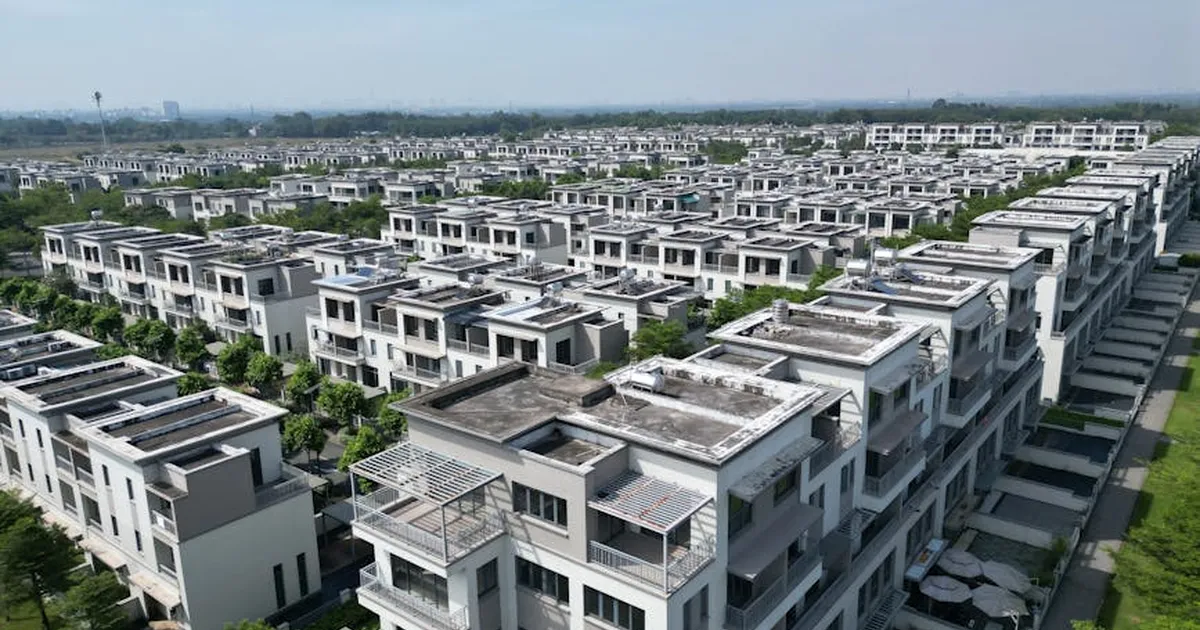
Real Estate Developers Acquire 3,093 Acres Of Land In 2025 Investing ₹54,818 Crore

Record-Breaking Land Acquisitions: ₹54,818 Crore Invested in 2025
In a massive show of confidence in the Indian real estate market, developers acquired an unprecedented 3,093 acres of land across 149 transactions in 2025. This acquisition spree represents a staggering investment of ₹54,818 crore, marking a sharp 32% year-on-year increase compared to 2024. The data, recently highlighted in major industry reports in April 2026, reveals a sector aggressively preparing for its next growth cycle.
To put this into perspective, these land parcels are projected to unlock approximately 229 million square feet of new development over the next two to five years. Residential projects are the undisputed priority, accounting for roughly 76% of the estimated funding requirements. Developers have earmarked around 2,398 acres strictly for housing. However, buying the land is only the first step. Developing these parcels will demand over ₹92,000 crore in construction capital, with external financing needs estimated to exceed ₹52,000 crore in the medium term. The momentum has not slowed down; the first quarter of 2026 has already witnessed another 900 acres acquired for nearly ₹18,000 crore.
Impact on Homebuyers: What It Means for You
For homebuyers, this massive acquisition wave is a double-edged sword. On the positive side, 229 million square feet of incoming development means that supply will eventually catch up with the intense demand we've seen over the last three years. This fresh inventory, expected to hit the market between late 2026 and 2029, will give buyers significantly more options, particularly in the premium and luxury segments.
However, there is a clear downside: affordability is taking a major hit. Tier-I cities consumed 89% of the capital deployed for land acquisitions, despite accounting for only 52% of the actual land area. When developers pay a premium for land—such as the recent jaw-dropping ₹5,400 crore deal for an 11-acre parcel in Mumbai's MMR (roughly ₹490 crore per acre)—those costs are inevitably passed down to the end consumer. Buyers waiting for a price correction in major metros will likely be disappointed. The sheer cost of this land, combined with an estimated ₹92,000 crore required for construction, means launch prices will remain elevated. If you are looking to buy in Tier-I cities, acting sooner rather than later on current inventory might shield you from the premium pricing of these upcoming mega-projects.
Expert Analysis: Decoding the ₹92,000 Crore Construction Boom
Our research team views this ₹54,818 crore land rush as a fundamental shift in how Indian real estate operates. Developers are moving away from an asset-light model and are aggressively building land banks to secure their project pipelines for the next decade. Interestingly, 65% of the land transacted came from individual landowners across 62 deals, highlighting how developers are consolidating highly fragmented land parcels into cohesive, large-scale townships.
The core challenge moving forward is capital. Traditional banking channels are facing stricter regulatory constraints and evolving risk appetites. To bridge the ₹52,000 crore external financing gap, developers are increasingly turning to Alternative Investment Funds (AIFs) and private credit providers. While this diversification of funding is a sign of a maturing market, it also introduces a risk factor. Private credit often comes at a higher cost of capital than traditional bank loans. If developers miscalculate absorption rates or face construction delays, the high interest burden could lead to stalled projects. Buyers must be hyper-vigilant about a developer's financial health and execution track record before investing in these newly announced projects.
What to Expect Next: The 2026-2030 Horizon
The market is entering a highly capital-intensive phase. Over the next 12 to 18 months, expect a flurry of high-profile project launches as developers rush to monetize these expensive land banks. We anticipate a stark divergence in the market: Tier-I cities will see ultra-luxury and premium launches dominate the landscape to justify high land costs, while Tier-II cities will become the new hub for affordable and mid-segment housing. Real estate investment trusts (REITs) and institutional investors will likely take a larger role in funding the commercial segment, which accounts for about 10% of the newly acquired land.
Related Projects & Areas Affected
- Mumbai Metropolitan Region (MMR): Ground zero for hyper-expensive real estate, highlighted by a massive 11-acre acquisition in Q1 2026 valued at ₹5,400 crore, signaling more ultra-luxury high-rises.
- Delhi-NCR (Gurugram & Noida): Continues to see aggressive land banking by top-tier developers, particularly along the Dwarka Expressway and Sector 150, aimed at premium gated communities.
- Bengaluru (Outer Ring Road & North Bengaluru): A mix of residential and office space acquisitions, driven by sustained IT sector demand and infrastructure upgrades.
- Hyderabad (Neopolis & Kokapet): Corporate entities are driving land sales here, with developers planning massive mixed-use townships to cater to the influx of tech professionals.
- Emerging Tier-II Cities (Ahmedabad, Lucknow, Ayodhya): Accounting for 48% of the land area acquired but only 11% of the capital, these cities are the upcoming frontiers for massive, cost-effective residential developments.
This article was drafted by Meena Singh, Senior Market Analyst with research support from artificial intelligence. AI assisted in gathering and summarizing information from primary news sources and official statements, and the final content was reviewed by our editor before publishing. News pages are timestamped at the time of writing and are not updated after publication.
Sources consulted: Primary press releases · Official company statements · Business news publications · Government notifications · State RERA filings (where relevant).
Published: 23 April 2026 · Spot an error? Let us know
Related News
 News
News
Housing Sales Fall 4% In Q1 2026; Mumbai, Ncr, Pune Drag Amid High Prices
India's housing sales dropped 4% in Q1 2026 to 84,827 units. Explore our expert analysis on why Mumbai, NCR, and Pune are dragging amid high property prices.
 News
News
Amar Builders Acquires 13.22-acre Land Parcel In Pune's Mundhwa For ₹300 Crore
Amar Builders acquires 13.22 acres in Pune's Mundhwa for ₹300 crore. Discover how this major land deal impacts East Pune homebuyers, prices, and traffic.
 News
News
Smartworld Developers Acquires 6-acre Land In Sector 98 Noida For ₹414 Crore
Smartworld Developers enters Noida with a ₹414 crore land acquisition in Sector 98. Discover how this ₹2,000 crore luxury project impacts NCR homebuyers.
 News
News
India's Premium Residential Prices Jump Up To 36% In 2025: Savills Report
Discover why India's luxury real estate market saw premium residential prices jump up to 36% in 2025. Explore the impact on homebuyers, cities, and projects.