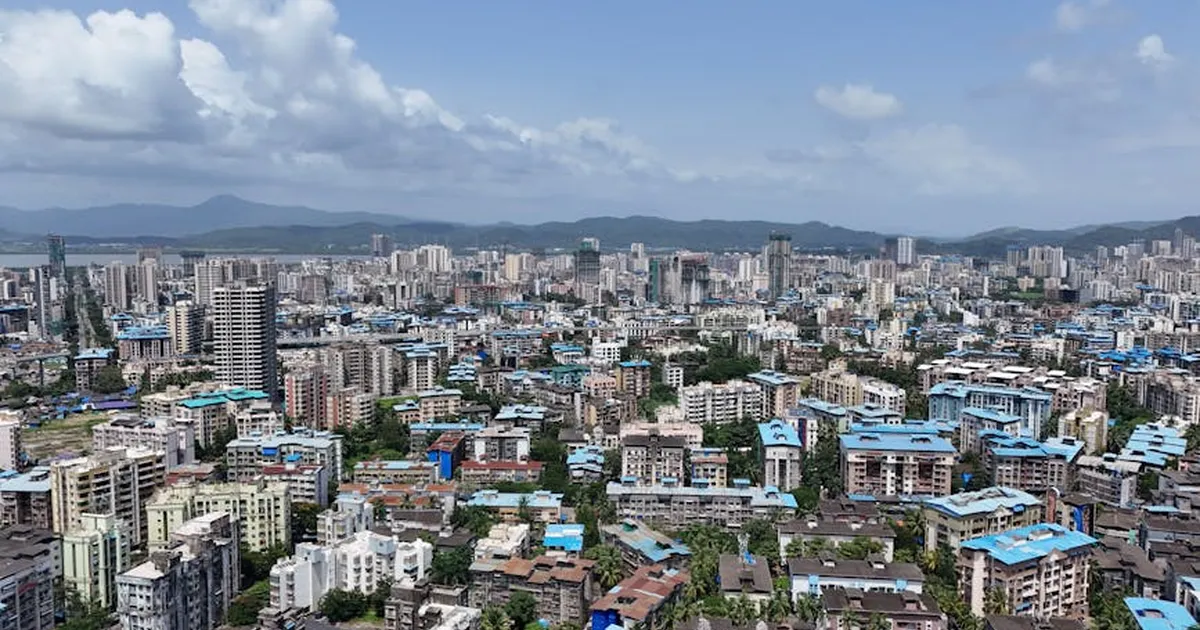
Mumbai, Bengaluru & Pune Drive 60% Of India's Q1 2026 Residential Launches As Total New Supply Hits 75,283 Units

Mumbai, Bengaluru and Pune Drive 60% of India’s Q1 2026 Residential Launches
On 21 April 2026, Cushman & Wakefield’s Q1 2026 Residential MarketBeat findings showed that India’s top eight cities saw 75,283 new residential units launched in the first quarter of 2026. Mumbai led the pack with 26% of all launches, followed by Bengaluru at 17% and Pune at 15%, meaning the three cities together accounted for roughly 58% of total supply, broadly consistent with the report’s “about 60%” framing. The report also highlighted that affordable housing reached 14%, its highest share in 10 quarters, while the mid-segment remained the dominant category at about 46%. This is an important signal because it shows developers are still launching aggressively even as the market becomes more selective. In practical terms, the story is not just about volume. It is about where that volume is concentrated, which price bands are getting attention, and which micro-markets are now carrying the weight of India’s residential cycle in 2026.
Impact on Homebuyers
For buyers, the biggest takeaway is choice, not immediate relief. A rise in launches usually improves inventory options and gives end-users more room to compare projects, negotiate payment plans, and avoid rushed decisions. But it does not automatically mean prices will fall. In Mumbai, Bengaluru and Pune, strong launch activity is concentrated in established and fast-growing corridors, which tends to keep pricing firm in quality projects. In fact, premium and mid-segment demand still appears resilient, so well-located homes may hold value or even edge higher. Buyers looking in peripheral or emerging locations may find better value and more unit configurations, especially in mid-income housing. Those chasing discounts may have slightly more leverage in projects where supply is building up, but the best projects are still likely to sell steadily. The smartest move is to compare launch timing, construction status, and connectivity rather than waiting for a broad price correction that may not arrive in these markets.
Expert Analysis
This launch surge reflects a market that is being reshaped by end-user demand, infrastructure expansion, and a steady shift toward better-located, larger-ticket housing. Mumbai’s high share shows how redevelopment and premium inventory continue to dominate the city’s new supply pipeline. Bengaluru’s strong contribution reflects developer confidence in its employment-driven demand, while Pune remains a consistent absorption market with broad appeal across IT-led and self-use buyers. The higher affordable-housing share is equally significant. After several quarters where premium housing grabbed attention, developers appear to be correcting product mix toward more saleable price points. The mid-segment still leads because it offers the broadest buyer base and the most predictable absorption. Historically, quarters with heavy concentration in these three cities tend to indicate where national capital, land acquisition, and consumer confidence are strongest. The current pattern signals not a slowdown, but a selective expansion led by cities where demand is deepest and execution risk is easier to manage.
What to Expect Next
In the coming weeks, developers are likely to use this momentum to fine-tune launch strategies, especially in Mumbai’s western and eastern suburbs, Bengaluru’s outer-growth corridors, and Pune’s IT-driven belts. Buyers should expect more product segmentation, with mid-income launches staying active and premium launches remaining selective. If interest rates stay stable and sentiment holds, sales velocity in these markets should remain healthy through the next quarter. However, if affordability tightens further, developers may increasingly offer staggered payment plans, early-bird pricing, or bundled incentives. The key market reaction to watch is not just how many homes launch, but how quickly they get absorbed. That will determine whether Q1 2026 becomes the start of a stronger supply cycle or simply a temporary inventory build-up.
Related Projects & Areas Affected
| Western Suburbs, Mumbai | Highest supply zone in Mumbai in Q1 2026, led by redevelopment and premium launches. |
| Eastern Suburbs, Mumbai | Strong launch activity supported by value-driven demand and continued urban expansion. |
| Navi Mumbai | One of the most active submarkets, benefiting from planned infrastructure and relative affordability. |
| Thane | Steady launch pipeline with broad appeal to end-users seeking more space at lower entry points. |
| Peripheral NCR corridors | While outside the core focus of this story, these markets show the same national shift toward cost-competitive suburban housing. |
This article was drafted by Virendra Tanwar, Senior Real Estate Analyst with research support from artificial intelligence. AI assisted in gathering and summarizing information from primary news sources and official statements, and the final content was reviewed by our editor before publishing. News pages are timestamped at the time of writing and are not updated after publication.
Sources consulted: Primary press releases · Official company statements · Business news publications · Government notifications · State RERA filings (where relevant).
Published: 21 April 2026 · Spot an error? Let us know
Related News
 News
News
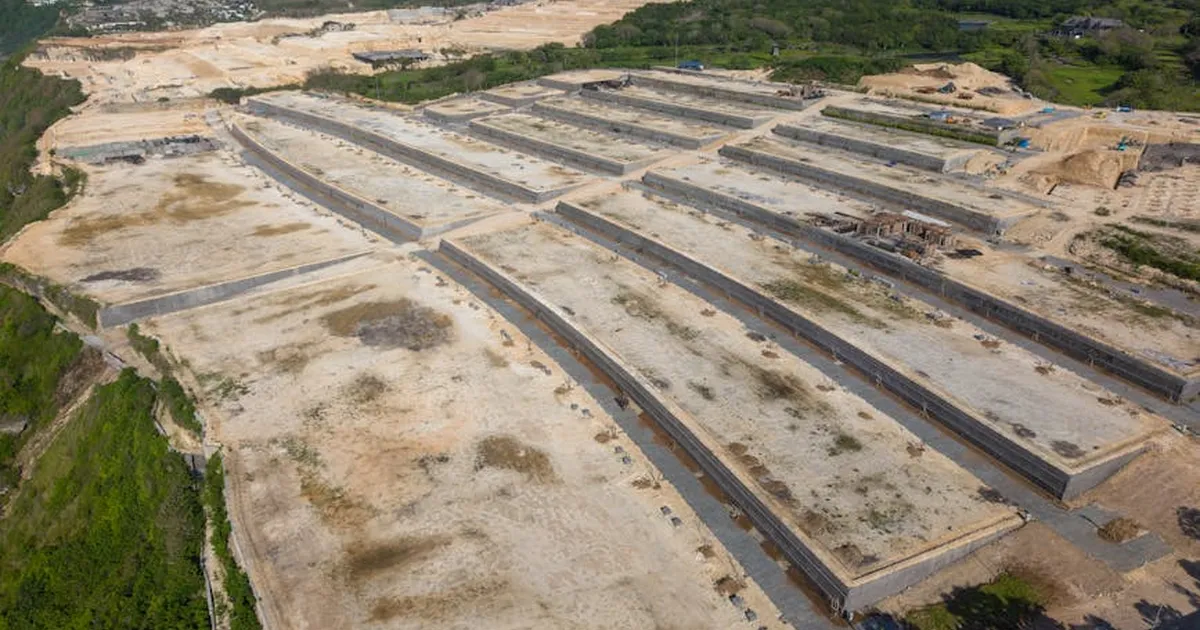
Shriram Properties Acquires 4-acre Land Parcel On Sarjapur Main Road, Bengaluru For ₹550–600 Crore Premium High-rise Project
Shriram Properties acquired 4 acres on Sarjapur Main Road, Bengaluru (Feb 2026) for premium high-rise with ₹550–600 cr GDV. 5 lakh sq ft. Late-2026 launch.
 News
News
Godrej Properties Enters Coimbatore With 44-acre Land Acquisition For ₹450 Crore Plotted Residential Project Near Golf Club
Godrej Properties acquires 44 acres in South Coimbatore near Golf Club for ₹450 crore premium plotted residential project. Expected plot prices ₹50-65...
 News
News
Godrej Properties And Lodha Developers Acquire 25+ Land Parcels Worth ₹1 Lakh Crore Housing Pipeline In Fy26
Godrej Properties and Lodha Developers acquire 25+ land parcels in FY26 targeting ₹1 lakh crore housing pipeline. Key impacts on homebuyer prices, new...
 News
News
Dlf Completes ₹710 Crore Asset Sale Of It-sez And 17.75-acre Vacant Land In Kolkata To Srijan Group, Exits Non-core Holdings To Fund Core Residential Pipeline
DLF completed ₹710.23 crore sale of Kolkata IT-SEZ TechPark II and 17.75 acres to Srijan Group on March 30, 2026. Analysis of market impact for homebuyers.