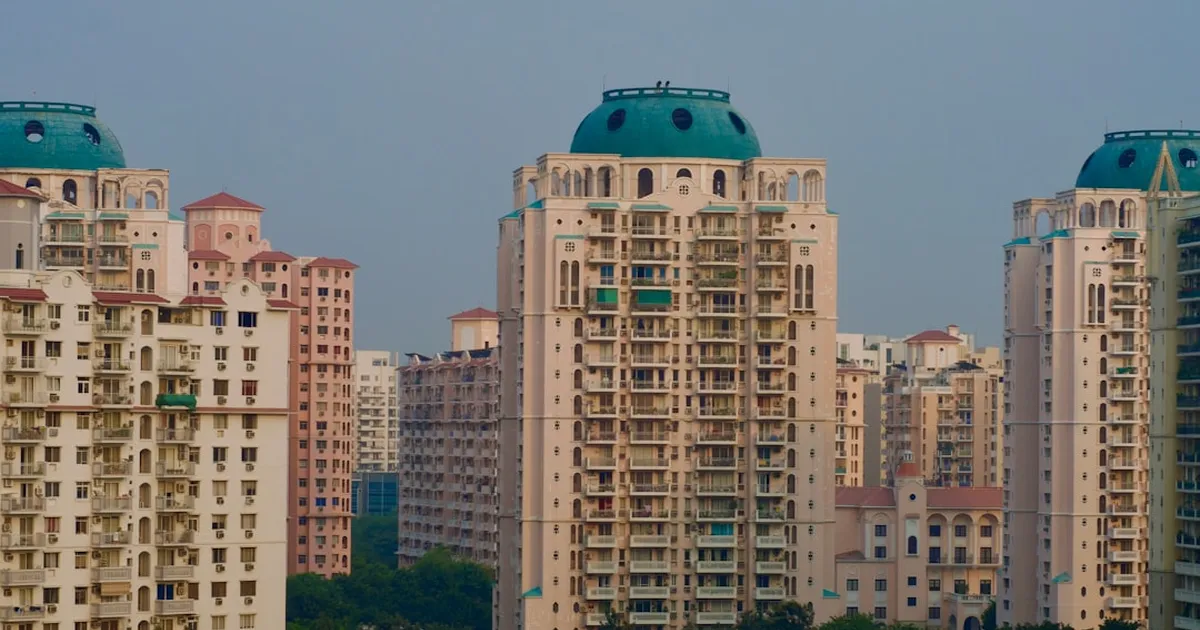
Thane Property Buyer's Guide 2026: Locality-wise Prices, Infrastructure Projects & Should You Buy Now?
Thane Property Buyer's Guide 2026: Everything You Need to Make a Smart Decision
This guide is for anyone seriously considering buying a home in Thane — whether you're a first-time buyer priced out of Mumbai, a professional upgrading from a starter flat, an NRI looking at MMR as a long-term play, or an investor eyeing infrastructure-led appreciation. Thane is no longer just "affordable Mumbai." It has evolved into a layered, multi-speed real estate market where a flat in Kasarvadavali and a flat in Hiranandani Estate are separated not just by price but by an entirely different buyer universe. Over the next few minutes, this guide will walk you through real locality-wise prices as of early 2026, the infrastructure projects that will reshape values over the next three years, what genuine buyers are saying, and the honest answer to the question everyone keeps asking: should you buy now?
Thane Real Estate in 2026: The Big Picture First
Thane's residential market has had an extraordinary run. Average home prices jumped roughly 46% in three years — from approximately ₹13,550 per sq ft in Q2 2022 to about ₹19,800 per sq ft by Q2 2025 — driven primarily by infrastructure upgrades and rising homebuyer interest. That is not small appreciation. Anyone who bought in Ghodbunder Road, Patlipada, or Pokhran 2 in 2020 or 2021 is sitting on significant unrealised gains today.
But here's what the headline numbers mask: Thane in 2026 does not behave like one market. It prices in layers — core liveability zones, premium brand ecosystems, upgrade housing corridors, and value-driven entry belts — each powered by distinct buyer logic. Buyers who treat Thane like a single rate card routinely overpay in the wrong pockets and underestimate value in the right ones. Understanding those layers is the starting point of every smart Thane purchase.
On the demand side, quarterly sales have stabilised at approximately 3,250 units, indicating consistent end-user desire. Despite a roughly 50% decline in new project launches in 2025, absorption remained strong, which has pushed unsold inventory down by about 8% to approximately 55,600 units across the city. The demand-supply balance has tightened. That matters for pricing.
Locality-Wise Price Map: 2026 Current Rates
Here is a practical breakdown of where prices stand across Thane's most tracked micro-markets as of early 2026. These are indicative bands — actual transaction prices vary by project grade, floor, view, developer, and payment plan. Always compare on RERA carpet area, not built-up or super-built-up area.
| Locality / Zone | New Launch Price Band (₹/sq ft carpet) | 5-Year Appreciation | Avg Rental Yield | Buyer Profile |
|---|---|---|---|---|
| Hiranandani Estate | ₹26,000 – ₹36,000 | ~25–30% | 2.5–3% | HNI, NRI, lifestyle upgraders |
| Pokhran Road No. 2 | ₹22,000 – ₹30,000 | ~30–35% | 2.5–3.5% | Premium end-users, NRIs |
| Manpada / Panch Pakhadi | ₹19,000 – ₹25,000 | ~25% | 3–3.5% | Mid-premium buyers, families |
| Thane West (avg) | ₹18,000 – ₹22,000 | ~21–34% (5–10 yr) | 3% | Salaried professionals, families |
| Majiwada / Kapurbawdi | ₹17,000 – ₹21,000 | ~22–28% | 3.5–4% | Investors, connectivity-led buyers |
| Kolshet Road | ₹17,000 – ₹20,000 | ~53% | 3–3.5% | Township buyers, upgrade segment |
| Ghodbunder Road (mid-belt) | ₹16,500 – ₹19,500 | ~35% | 3–4% | First-time buyers, mid-income families |
| Kasarvadavali | ₹13,000 – ₹17,000 | ~35–40% | 3.5–4.5% | Value buyers, metro-area investors |
| Balkum | ₹16,500 – ₹19,000 | ~22–25% | 3–4% | Mid-segment families |
| Patlipada | ₹18,000 – ₹22,000 | ~35% | 3.5–4.5% | Investors, luxury entry buyers |
| Mumbra / Kalwa / Diva Gaon | ₹4,500 – ₹13,000 | Moderate | 5–7% | Budget buyers, yield-focused investors |
| Brahmand / Khopat | ₹13,000 – ₹16,500 | ~20% | 3–4% | Affordable-to-mid segment |
A few specifics worth knowing: A 2BHK in Thane from a branded developer typically ranges between ₹1.15 crore and ₹1.60 crore depending on carpet area and location. A 3BHK under ₹2 crore is still possible in Balkum, Kasarvadavali, and parts of Ghodbunder Road — but rapidly getting harder to find. Kolshet Industrial Area clocked a staggering 53.1% appreciation over the past three years — the second-highest in all of Thane. Kalher recorded 81.6% appreciation over three years, reflecting how early-mover corridors have re-rated dramatically. These are not projections; they are transaction-data figures.
The Infrastructure Projects That Will Move Property Values
Infrastructure is the dominant pricing engine in Thane right now. Here is what is actually happening, not what developers want you to believe.
1. Metro Line 4 (Wadala–Kasarvadavali) — The Biggest Game Changer
Metro Line 4 is India's largest elevated metro corridor at 32.32 km with 32 stations. Phase 1 — covering Gaimukh to Cadbury Junction — was planned for opening in two stages: December 2025 and April 2026. Trial runs were conducted on both the Cadbury Junction–Kasarvadavali stretch and the Gaimukh priority section. Once fully operational, this corridor is designed to carry over 13.4 lakh passengers daily, reducing travel time by 50–75%. For residents of Ghodbunder Road and Kasarvadavali, this eliminates the biggest gripe: the long, unpredictable drive to Mumbai. Property within 500 metres of a metro station has historically traded at a 20–25% premium to nearby stock. That premium is now arriving in real time.
2. Metro Line 5 (Thane–Bhiwandi–Kalyan)
Metro Line 5 is a 24.9 km elevated corridor with 15 stations, connecting Thane to Bhiwandi's massive logistics economy and onward to Kalyan. It will provide interchanges with Metro Line 4 and Metro Line 12. This line unlocks Thane's north-east periphery and makes Bhiwandi's warehouse workforce a meaningful tenant base for Thane residential projects — a dynamic that is already visible in rental demand trends.
3. Thane Internal Ring Metro (₹12,200 Crore Project)
Approved by the Union Cabinet in August 2024 and with the foundation stone laid by PM Modi in October 2024, this is a 29 km circular metro with 22 stations (20 elevated, 2 underground near Thane Junction). To be executed by MahaMetro at an estimated cost of ₹12,200 crore, it will loop around Thane city connecting Thane Junction, Manpada, Wagle Estate, Kolshet, Balkum, and key residential neighbourhoods. Expected completion: 2029. Areas near stations — including LBS Road, Wagle Estate, Kolshet, and Ghodbunder Road — are already seeing increased demand from buyers anticipating the connectivity uplift.
4. Thane–Borivali Twin Tunnel (₹13,200 Crore, Completion Target: May 2028)
This is the single infrastructure project generating the most buyer sentiment momentum on Ghodbunder Road right now. Currently, the 23 km journey between Thane and Borivali takes 60 to 90 minutes. Once the 11.84 km twin-tube tunnel under Sanjay Gandhi National Park is complete, the same journey will take just 15 minutes. The TBM named "Nayak" — the largest single shield hard rock tunnel boring machine in India — commenced actual tunnelling in April 2026. The project is on track, though expert projections flag a possibility of delays extending into 2029 depending on monsoon and geological conditions. Even before completion, buyers from Andheri, Borivali, and Kandivali are relocating to Ghodbunder Road, knowing that once the tunnel opens, they'll be better connected than before while paying two-thirds the price per square foot of their old locality.
5. Bullet Train Station at Thane (MAHSR Corridor)
Thane is set to host India's first multimodal integrated transport station as part of the Mumbai–Ahmedabad High-Speed Rail project. The MAHSR corridor will connect major cities at speeds up to 320 km/h, covering the full route in under three hours. The Mhatardi Station (near Diva Gaon) is approximately 30–45 minutes from Thane city. This positions Thane as a multi-modal hub of national significance — a fundamental shift from its suburban identity. Cities globally that have become multimodal hubs have shown 25–35% property appreciation within 3–5 years of operations commencing, though comparisons should be made cautiously given India's unique context.
6. Samruddhi Expressway Connector and Coastal Road
The Samruddhi Expressway Vadpe–Majiwada connector widening is in progress and will channel expressway traffic directly into Thane via Saket Junction. The Thane Coastal Road (Kharegaon–Gaimukh) is moving through tender and execution phases. Together, these road projects are driving the Majiwada–Kapurbawdi–Balkum belt into a high-value urban convergence zone where residential, commercial, and express connectivity meet.
Thane's Social Infrastructure: What's Actually There
Here is where Thane genuinely wins the quality-of-life argument for families moving from Mumbai.
Education: Thane has reputed schools distributed across its micro-markets — Hiranandani Foundation School and DAV Public School on Ghodbunder Road, Smt. Sulochanadevi Singhania School in Thane West, SG English School and PSIS International School in Kasarvadavali, and New Horizon Scholars' School across multiple locations. Higher education options include AP Shah Institute of Technology in Kasarvadavali. For families with children, the school access is genuinely solid, especially in Thane West and Ghodbunder Road.
Healthcare: The quality of hospital access is one of Thane's genuine strengths. Jupiter Hospital (multi-specialty, 150+ ICU beds) is the most prominent name. Fortis, Hiranandani Hospital, Bethany Hospital, and Vedant Hospital serve different parts of the city. Majiwada and Ghodbunder Road residents have good access to multiple tier-1 hospitals within 15–20 minutes of most residential projects.
Retail and Lifestyle: Viviana Mall (Thane's premium anchor), Korum Mall, Lake City Mall, and R Mall form the core retail spine. Cosmos Mall serves Kasarvadavali and Ghodbunder Road residents well. The lake ecosystem — Upvan Lake, Masunda Lake (Talao Pali), and NaMo Grand Central Park — gives Thane something most Mumbai suburbs cannot offer: genuine green breathing space.
The honest caveat: Planning data shows that housing construction in Thane has run ahead of schools, hospitals, open spaces, and roads in several newer pockets. If you're buying in a brand-new launch in the extended Ghodbunder Road belt or near Bhiwandi corridor, you may find social infrastructure thin for the first 3–5 years after possession. Factor this in — it is a real gap for families buying in early-phase projects.
The Honest Negatives: What Buyers Need to Know
Any guide that presents Thane as all upside is selling you something. Here are the legitimate concerns:
- Water supply issues on Ghodbunder Road: Multiple buyer reviews flag an acute shortage of municipal water supply in parts of the Ghodbunder belt. Projects rely heavily on tanker water during summer months. This is a real day-to-day concern, not an abstract risk.
- Traffic congestion remains severe: Ghodbunder Road, Kapurbawdi junction, and the stretch around Majiwada flyover experience brutal peak-hour congestion. Metro Line 4 will help — but until it becomes fully operational across all phases, this is the lived reality for most Ghodbunder Road residents.
- Infrastructure timelines are estimates, not guarantees: Large Indian infrastructure projects have historically run behind schedule. The Thane–Borivali tunnel has a May 2028 target with expert forecasts flagging potential delays to 2029. The Internal Ring Metro has a 2029 target. If your investment thesis depends on these projects delivering on time, build in buffer.
- Oversupply risk in pockets: Certain micro-markets along the extended Ghodbunder Road belt and parts of Kalher have seen aggressive launches. Over-supply in concentrated pockets can limit rental growth and slow resale absorption, particularly for identical 1BHK and 2BHK units in large township blocks.
- Price surge risk: Prices have surged fast. A 46% rise in three years means buyers today are paying a premium that earlier buyers did not. The question is not whether Thane is good — it is whether you're buying at the right entry price within your chosen micro-market.
- Builder delays and documentation gaps: RERA compliance has improved Thane's transaction environment significantly, but possession delays, inconsistent construction progress, and documentation gaps remain concerns — particularly among smaller, less-capitalised developers. Verify RERA registration, check construction progress on the MahaRERA portal, and insist on a clear title check before any commitment.
Neighbourhood Deep Dives: Top Zones for 2026 Buyers
Ghodbunder Road — The High-Momentum Corridor
This 20 km stretch is Thane's most dynamic residential belt. Properties within the metro 4 influence zone (particularly near Kasarvadavali terminal and Vijay Garden stations) are commanding a premium. Patlipada — at around ₹20,000/sq ft — sits at the luxury end. Bhayandarpada still offers value at ₹11,000–₹13,000/sq ft with arguably the highest future appreciation potential once the Borivali tunnel opens. Capital appreciation over the past 24 months has touched 15–22%, among the highest in MMR. The flip side: traffic stress, water supply gaps, and a very long inventory pipeline mean buyers need to be selective about project grade, floor, and developer credibility.
Hiranandani Estate — The Premium Benchmark
At ₹26,000–₹36,000/sq ft for new launches, Hiranandani Estate is Thane's lifestyle benchmark. A township within a city, spread across 250+ acres, it offers neoclassical architecture, self-contained amenities, and a mature community ecosystem. Ready-to-move inventory here commands a significant premium over under-construction stock. Rental yields are lower at 2.5–3%, but capital protection and resale liquidity are the strongest in Thane. This is not a high-appreciation play — it's a quality-of-life and capital-safety play.
Kolshet Road — The Township Upgrade Zone
Kolshet Road continues to evolve as a township-driven upgrade corridor where buyers pay for ecosystem quality, scale, and long-term liveability. It registered 53.1% appreciation over the last three years — the second-highest in Thane. Raymond Ten X Habitat (14 acres, Kolshet Road), Runwal Enchanted (25 acres, Balkum), and other large-format developments here offer the best carpet-area efficiency in the ₹17,000–₹20,000/sq ft range. The Ulhas River proximity also makes it one of Thane's greener belts. Watch for Internal Ring Metro stations on Kolshet Road — they will be a material catalyst.
Majiwada / Kapurbawdi — Connectivity Hub, Best for Investors
Majiwada is the connectivity heart of Thane — equidistant from Thane station, the Eastern Express Highway, and Ghodbunder Road. For investors focused on rental yield and resale liquidity, this belt offers the best fundamentals. The Samruddhi Expressway connector will funnel additional traffic through Saket Junction into this zone. Pricing is ₹17,000–₹21,000/sq ft. Rental yield edges toward 3.5–4% for well-positioned 2BHKs. The negatives: it's dense, lacks the open-green character of Kolshet or Hiranandani, and premium launches here can be overpriced relative to actual liveability.
Kasarvadavali — Best Value Play Near Metro
With Metro Line 4 having its northernmost station here, Kasarvadavali is a sharp value play. Average prices of ₹13,000–₹17,000/sq ft — well below the broader Ghodbunder average — combined with strong rental demand from metro commuters makes this Thane's most compelling entry-level investment zone for 2026. Property appreciation here was 6.5% last year, with higher upside as metro operations normalise over the next 12–24 months. School access (SG English School, PSIS International, AP Shah Institute) and healthcare (Vedant Hospital, Fortune Plus, TMC Hospital) are reasonable. Cosmos Mall and R Mall serve retail needs.
Should You Buy Now? The Honest Answer
The answer depends heavily on your profile. Here is the breakdown:
If you are an end-user planning to live in Thane for 7+ years: Yes, buy now — particularly if you are targeting well-connected mid-premium zones (Kolshet, Majiwada, Ghodbunder mid-belt). Rental affordability still beats Mumbai's equivalent, infrastructure is arriving not just being promised, and the longer you wait, the higher the ticket size. The 1–2 BHK sweet spot at ₹85 lakh–₹1.6 crore from a credible developer represents excellent value against Mumbai comparables.
If you are an investor with a 3–5 year horizon: Yes, but be selective. Focus on projects within 500 metres of operational or near-operational metro stations. Kasarvadavali and the northern Ghodbunder belt near Gaimukh have the highest infrastructure-driven upside ahead. Avoid pockets with heavy inventory overhang — you will struggle with rental yield and resale timing.
If you are a first-time buyer with a ₹70–90 lakh budget: Kasarvadavali, parts of Bhayandarpada, and Brahmand are still accessible at this budget from credible developers. Check construction progress carefully, confirm RERA registration on the MahaRERA portal, and do not compromise on developer track record just to save ₹5–10 lakh on price.
If you are considering premium — ₹2 crore and above: Pokhran Road 2 and Hiranandani Estate remain the strongest capital-safety choices. Newer premium launches on Kolshet and in the Majiwada belt can offer better carpet area per rupee, but you're sacrificing some of the brand-led resale premium.
Thane vs. Competing MMR Alternatives
| Parameter | Thane West | Navi Mumbai (Kharghar/Panvel) | Kalyan–Dombivli | Mira–Bhayander |
|---|---|---|---|---|
| Avg Price (₹/sq ft) | ₹17,000–₹22,000 | ₹9,000–₹15,000 | ₹5,500–₹10,000 | ₹8,000–₹13,000 |
| Metro Access | Excellent (Line 4 operational) | Good (existing + upcoming) | Limited currently | Moderate (line 2 extension) |
| Social Infrastructure | Strong, mature | Good, planned | Developing | Moderate |
| 3-Year Appreciation | ~35–46% | ~25–35% | ~20–30% | ~20–28% |
| Rental Yield | 3–4.5% | 3.5–5% | 3.5–5% | 3–4% |
| Developer Quality | Very High | High | Mixed | Mixed |
| Commute to BKC | 45–70 mins (metro) | 55–80 mins | 70–90 mins | 55–75 mins |
| Best For | Premium quality living, solid ROI | Budget, long-term upside | Affordability-first buyers | WEH commuters on budget |
Thane is more expensive than all its MMR alternatives but also better-established, more liquid on resale, and host to the most aggressive infrastructure investment pipeline of any MMR micro-market. Navi Mumbai (Kharghar, Panvel) offers better rental yields with good long-term potential but is farther from Mumbai's corporate hubs. Kalyan–Dombivli is genuinely affordable but the project quality distribution is much wider, and due diligence requirements are higher. If your budget permits Thane, the quality, liquidity, and infrastructure stack make it the strongest MMR choice for most buyers in 2026.
Key Questions Every Thane Buyer Must Ask Before Signing
- Is the project registered on MahaRERA? What is the RERA completion date, and what penalties apply for delay?
- Is the price quoted on RERA carpet area? Ask for the cost sheet that breaks out carpet area, built-up area, and all other charges separately.
- What is the developer's track record? How many projects have been delivered on time in the last 5 years?
- What is the construction stage? If under-construction, what is the current physical completion percentage?
- What are the maintenance charges post-possession, and who maintains the project during the OC-to-society handover period?
- Is there clear title on the underlying land? Has a lawyer verified the title chain — not just the RERA registration?
- For resale properties: are all outstanding dues (property tax, maintenance, society charges) cleared before registration?
Checklist: Before You Buy in Thane (2026)
- ☑ Confirm MahaRERA registration number and check project status on maharera.mahaonline.gov.in
- ☑ Compare pricing only on RERA carpet area basis — never on super built-up area
- ☑ Verify the developer has delivered at least 2–3 prior projects on reasonable timelines
- ☑ Check the location relative to the nearest operational metro station or confirmed station alignment
- ☑ Inspect the actual construction progress on-site, not just digital renders or marketing collateral
- ☑ Get a registered lawyer to review title documents and society formation status
- ☑ Assess the realistic water supply situation in the locality — ask residents, not builders
- ☑ Factor in all costs: GST (for under-construction), stamp duty (6% in Maharashtra for women, 7% for men), registration, maintenance corpus
- ☑ For resale: verify the society's NOC process, outstanding maintenance, and transfer fees
- ☑ Limit real estate exposure to 30–40% of net worth; keep liquidity for delays or cost overruns
- ☑ Think about your resale buyer — in 5 years, who will buy this from you, and at what price?
Frequently Asked Questions (FAQs)
Q1: Has Thane become too expensive? Should I wait for a price correction?
In most of Thane's well-connected micro-markets, a significant correction is unlikely in the near term. The combination of tightening supply (new launches dropped ~50% in 2025 while sales held steady), ongoing infrastructure delivery, and end-user-dominated demand creates price support. A correction is possible in pockets with heavy inventory overhang — particularly clusters of identical 1BHKs in extended Ghodbunder Road developments. For premium and mid-premium zones, waiting may cost more than it saves as infrastructure milestones are reached.
Q2: Which Thane localities offer the best rental yields in 2026?
Lokmanya Nagar (7.5%), Mumbra (6.9%), and Patlipada (5.6%) top the yield charts. For buyers who want both a reasonable entry price and solid yield, Kasarvadavali (4–4.5%) and Majiwada (3.5–4%) offer the best balance. Premium localities like Hiranandani Estate yield 2.5–3% — capital preservation, not yield, is the play there.
Q3: Is Metro Line 4 actually operational in 2026 or still a promise?
Trial runs on Metro Line 4 covering Cadbury Junction to Kasarvadavali and the Gaimukh priority section (4 stations) have been conducted. Phase 1 commercial operations from Gaimukh to Cadbury Junction were planned in December 2025 and April 2026 stages. As of writing, Phase 1 is in advanced stages. The full 35 km corridor with 32 stations — ultimately carrying over 13 lakh daily commuters — will roll out over subsequent phases. Buying near confirmed, near-operational stations is safer than buying near proposed future stations.
Q4: Is the Thane–Borivali tunnel going to transform Ghodbunder Road prices?
Eventually, yes — but this is a 2028+ event, not a 2026 event. Tunnelling commenced in April 2026 with a May 2028 target completion, with realistic expert forecasts extending into 2029. The price uplift from buyer sentiment (people moving to Ghodbunder Road in anticipation) has already begun. The actual traffic-relief-driven premium will materialise after the tunnel opens and becomes daily-use reliable. Do not buy at "post-tunnel" prices today if you need short-term liquidity.
Q5: What are the biggest risks of buying in Thane right now?
The top three risks are: (1) overpaying in micro-markets where prices have run far ahead of actual infrastructure delivery; (2) buying from a weaker developer where possession delays of 2–4 years are real; and (3) overlooking day-to-day liveability gaps like water supply, last-mile connectivity, and thin social infrastructure in newer pockets. RERA provides legal recourse but not time. The best risk mitigation is choosing an operational-infrastructure zone and a developer with a verifiable delivery record.
Q6: How does Thane compare to Navi Mumbai for a 2026 property investment?
Thane is more expensive but more liquid on resale and better-connected to Mumbai's employment hubs today. Navi Mumbai (Kharghar, Panvel, Ulwe) offers better yields and strong long-term appreciation potential — especially with the Navi Mumbai
This guide was written by Manoj Singh, Founder & Editor-in-Chief with research support from artificial intelligence. AI assisted in compiling information from regulatory sources, industry references, and expert commentary. The final content was reviewed by our editor before publishing. We update guides when regulations change or when newer best-practice information emerges.
Sources consulted: State RERA portals · Developer official websites · Housing.com / 99acres guides · Industry publications · Expert commentary (quoted in the guide body).
Last reviewed: 20 April 2026 · Spot an error? Let us know
Related Guides
 Best Of
Yamuna Expressway Property Buyer's Guide 2026: Sector-wise Prices, Jewar Airport Impact & Best Projects To Watch
Complete 2026 guide to Yamuna Expressway property: sector-wise prices, Jewar Airport impact, best projects, honest risks & expert analysis for homebuyers.
 Best Of
Navi Mumbai Property Buyer's Guide 2026: Airport Impact, Area-wise Prices & Best Localities To Invest
Expert analysis of Navi Mumbai's 2026 real estate market. Discover the top 10 best localities to invest, area-wise property prices, airport impact, and risks.
 Best Of
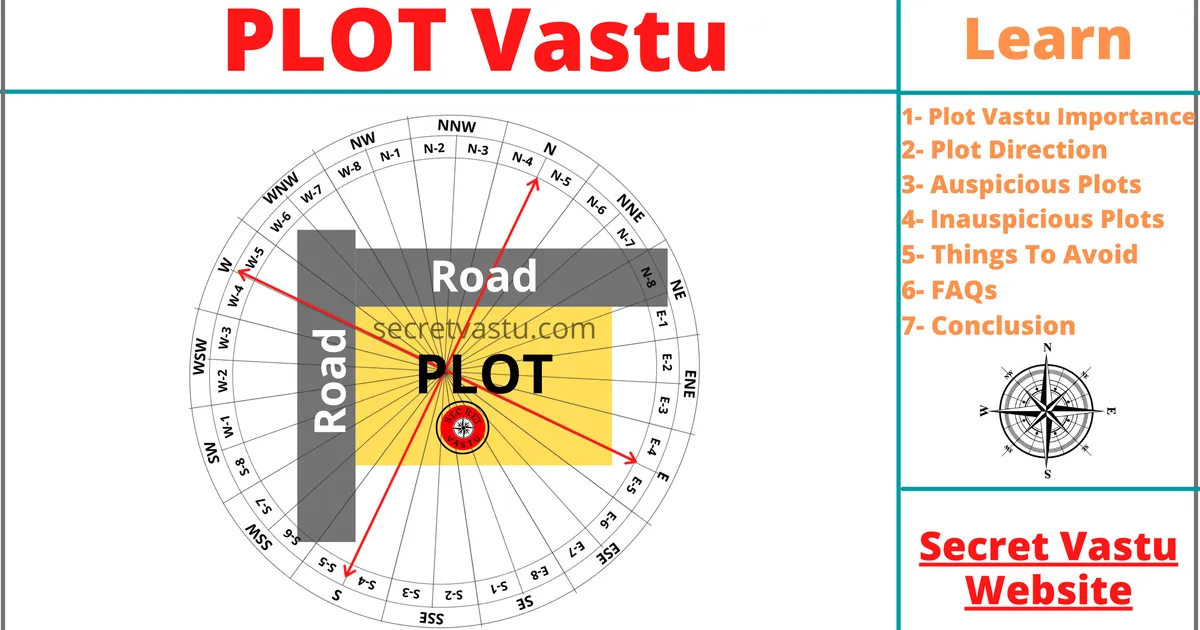
Vastu For Plots
Discover the ultimate expert analysis on Vastu for plots. Learn about ideal plot shapes, facing directions, slope rules, and how Vastu impacts real estate...
 Best Of
Vastu Tips Before Buying An Apartment
Step-by-step Vastu tips before buying an apartment in India. Room placement, entrance direction, water tanks & resale impact. Expert analysis for smart buyers.