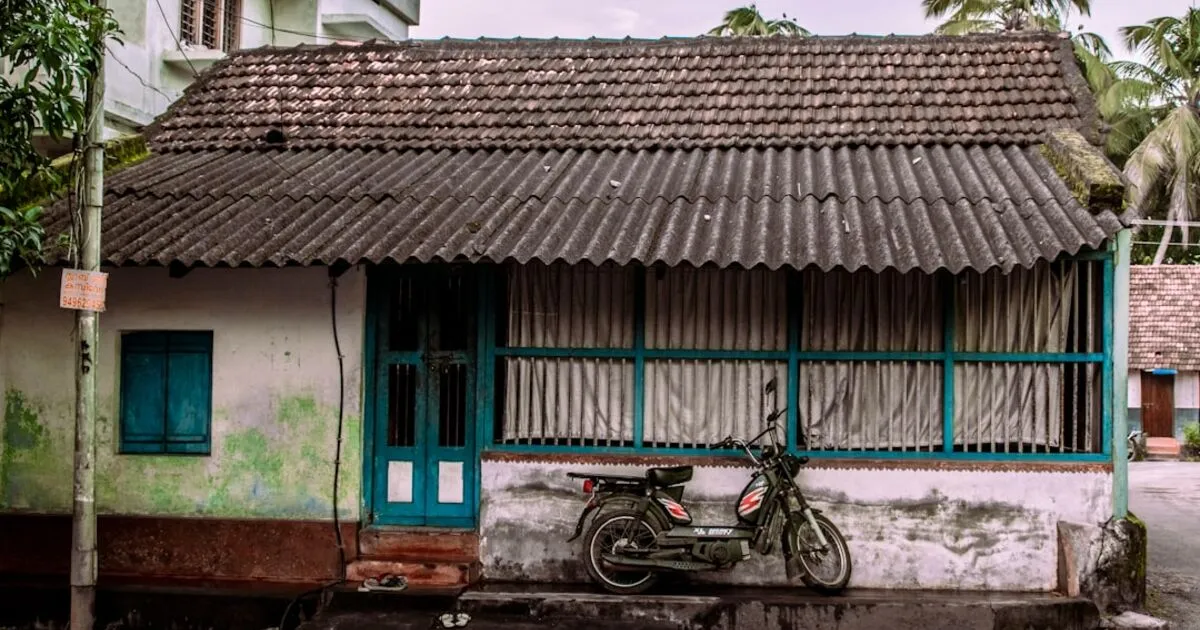
First-time Homebuyer's Complete Guide To Buying Property In India 2025
Your Complete Roadmap to Buying a Home in India for the First Time in 2025
Buying your first home in India is one of the most significant financial decisions you will ever make — and also one of the most emotionally charged. Whether you are a young professional eyeing a 2BHK in Pune's Hinjewadi corridor, a newly married couple comparing Noida vs. Gurugram, or a family looking to settle down in Bangalore's tech belt, the process is layered with choices, paperwork, regulations, taxes, and a steep learning curve. This guide cuts through the noise. It is written for the Indian first-time buyer who wants real numbers, honest advice, and a step-by-step process they can actually follow — not generic platitudes.
Here is what you will walk away knowing: how to assess your financial readiness with real benchmarks, how to navigate home loans from multiple lenders, what government schemes you may qualify for, the exact taxes and hidden charges to budget for, how RERA protects you (and where it still falls short), and the most common mistakes that cost Indian buyers lakhs. Let's begin.
Step 1: Assess Your Financial Readiness Honestly
Before you visit a single project or scroll through 99acres, you need to know exactly where you stand financially. Many first-time buyers skip this step — and pay for it later with rejected loan applications or financial stress post-purchase.
The 30-40% Rule: Financial experts consistently recommend keeping your home loan EMI within 30–40% of your monthly take-home income. If you earn ₹1 lakh per month, your EMI should not exceed ₹40,000. This is not just good advice — lenders will use a similar calculation to decide how much they'll lend you.
Down Payment Reality: The Reserve Bank of India mandates that lenders can finance a maximum of 80% of the property value. In practice, this means you must arrange at least 20% as a down payment from your own funds. On a ₹80 lakh flat in Bangalore's Electronic City, that is ₹16 lakh — before stamp duty, registration, GST, and interiors. For loans up to ₹30 lakh, some banks like Axis Bank require only a 10% margin, but for loans above ₹75 lakh, the required margin rises to 25%.
Credit Score Check: Your CIBIL score is your most important financial asset in this process. A score of 750 or above gets you the fastest approvals and the best interest rates. Most lenders, including Bajaj Housing Finance, prefer a score of 725 or higher. Check your score on CIBIL or Experian well before applying — and if it is below 700, spend 6–12 months repairing it before approaching lenders.
Emergency Fund: Many buyers drain their savings entirely into a down payment. This is a critical mistake. Keep at least 6 months of EMI as an emergency corpus, separate from the down payment. Property markets can be unpredictable and job situations can change.
Step 2: Know the Real Cost of Buying — Including the Hidden Ones
The advertised price is never what you actually pay. Builders often include extra charges that can add 5–10% to your total outflow. First-time buyers frequently discover these costs only at the time of signing — when it is psychologically hard to walk away.
| Cost Component | Approximate Amount | Who Pays | Notes |
|---|---|---|---|
| Property Base Price | Varies by location | Buyer | Negotiable with builder |
| GST (Under-Construction) | 1% (affordable) / 5% (non-affordable) | Buyer | Zero GST on ready-to-move/resale flats with OC |
| Stamp Duty | 4–7% of property value | Buyer | State-specific; women get 1–2% rebate in 15+ states |
| Registration Charges | 1% (capped at ₹30,000 for properties above ₹30L in Maharashtra) | Buyer | Paid at Sub-Registrar office |
| Home Loan Processing Fee | 0.5–1% of loan amount | Buyer | Sometimes negotiable |
| Preferential Location Charge (PLC) | ₹2–5 lakh per unit (typical) | Buyer | For corner/garden/pool-facing units |
| Maintenance Deposit | 1–2 years advance | Buyer | Varies widely by project |
| Parking Charges | ₹2–10 lakh (metro cities) | Buyer | Covered parking charged separately |
| Interior & Fit-Out | 5–10% of flat value | Buyer | Often underestimated by first-timers |
| Legal Fees & Lawyer | ₹15,000–₹50,000 | Buyer | Non-negotiable — always hire one |
The GST trap: GST applies only to under-construction flats — 1% for affordable housing and 5% for non-affordable projects. Critically, ready-to-move-in homes where the builder has received an Occupancy Certificate (OC) attract zero GST. This alone is a compelling reason why many buyers prefer ready-to-move inventory — you avoid GST entirely and face no construction delay risk. But be clear: stamp duty and registration must still be paid regardless of property type.
The stamp duty gender advantage: If the property is registered in a woman's name (or jointly with a woman as the first owner), stamp duty savings of 1–2% apply across more than 15 states, including Maharashtra, Delhi, Haryana, Uttar Pradesh, Punjab, and Rajasthan. On a ₹1 crore flat in Mumbai, this is ₹1 lakh saved — not trivial.
Step 3: Get Pre-Approved for a Home Loan
Most first-time buyers make the mistake of selecting a property first, then approaching the bank. Reverse this sequence. Get pre-approved before you start visiting sites. This clarifies your budget, eliminates properties out of your reach, and gives you genuine negotiating power with developers. Pre-approved buyers close deals faster and with better terms.
Home Loan Interest Rates in 2025
| Lender | Interest Rate (Starting) | Best For |
|---|---|---|
| Union Bank of India | 8.35% | Salaried employees, government workers |
| Bank of Maharashtra | 8.35% | Affordable segment buyers |
| SBI Home Loan | 8.50% (approx.) | First-time buyers, women buyers (special rates) |
| HDFC Bank | 8.75% | Premium property buyers |
| ICICI Bank | 8.75% | Tech professionals, self-employed |
| Bajaj Housing Finance | 8.50%+ | Self-employed, NBFC route |
Fixed vs. Floating: Fixed rates offer EMI stability; floating rates can be lower initially but fluctuate with the RBI repo rate. In 2025, with rate cuts underway, floating rates are generally the preferred choice for long-tenure loans. Lock in a rate, but compare 3–4 lenders before deciding — even a 0.25% difference saves you several lakhs over a 20-year tenure.
Documents You Will Need for a Home Loan
- KYC documents: Aadhaar, PAN card, Passport or Voter ID for identity and address proof
- Income proof (salaried): Last 3 months' salary slips, Form-16 for the past 2 years, and 6 months' bank statements
- Income proof (self-employed): ITR for the past 3 years, business profit & loss statements, bank statements, GST registration
- Property documents: Sale deed, title deed, approved building plan, allotment letter, encumbrance certificate, NOC from builder/society
- 2–3 recent passport-sized photographs
One common mistake: submitting mismatched details. If your Aadhaar shows a different address than your bank statement, lenders flag it. Ensure all documents are consistent before submission. Even a small discrepancy can delay approval by weeks.
Step 4: Understand the 2025 Property Market — Where Are Prices Headed?
Going in blind to a property purchase without understanding the market is like buying stocks without knowing the sector. Here is the ground reality of 2025.
Home prices across India's seven major cities continued upward in 2025, with annual increases ranging from 6% to 13%. Chennai, Bengaluru, and Delhi NCR led price growth at 13% each. Over five years from 2020 to 2025, Delhi NCR achieved the highest compounded annual growth rate of over 11%, with Bengaluru at 10%. The national Housing Price Index is expected to rise 6.5–7.5% in 2025–26, led by Delhi NCR, Pune, Chennai, and Tier-2 cities.
Real-world price examples:
- A 2BHK apartment in Andheri, Mumbai that cost ₹1.50 crore in 2024 is now priced around ₹1.60 crore.
- A 2BHK in Electronic City, Bangalore that cost ₹80 lakh in 2024 is now priced at approximately ₹87 lakh.
- A 3BHK flat in Gurgaon Sector 104 that was ₹1.20 crore last year is now around ₹1.30 crore.
- Noida Expressway prices rose from ₹5,075 per sq ft in 2019 to ₹8,400 per sq ft in late 2024 — a 66% jump.
- Pune property prices range from ₹5,000 per sq ft in developing areas like Undri and Moshi to ₹22,000 per sq ft in premium zones like Baner and Kharadi.
The honest concern: Affordability is under genuine strain. Property prices rose 17% year-on-year in top cities in early 2025. In Bengaluru and Delhi NCR specifically, prices rose 20% and 34% respectively in Q1 2025. The composition of new supply is also shifting away from affordable housing — launches priced above ₹1 crore (₹10 million) increased 12% year-on-year in 2025, while sub-₹50 lakh supply declined 28%. First-time buyers in the ₹40–70 lakh budget are finding fewer options in established locations. This makes researching micro-markets like Mira Road, Thane, Undri, Sarjapur Road, and Yamuna Expressway increasingly important.
Step 5: Choose the Right Property Type — Ready-to-Move vs. Under-Construction
This is a decision that divides buyers — and both options have genuine merits and risks.
| Factor | Ready-to-Move (RTM) | Under-Construction (UC) |
|---|---|---|
| GST | Zero (if OC issued) | 1% or 5% |
| Possession | Immediate | 2–4 years typically |
| Price | Slightly higher | Lower entry point |
| Delivery Risk | None | Moderate to high depending on builder |
| Loan Disbursement | Full disbursement upfront | Stage-wise disbursement; pre-EMI may apply |
| Customisation | Limited | Sometimes possible |
| What You See | Exactly what you get | Model flat may differ from actual unit |
Construction delays remain a harsh reality across Indian cities — whether due to raw material shortages, labour disruptions, or administrative bottlenecks. Buyers who plan their lives around on-time delivery often end up managing temporary housing costs alongside EMI payments. If you cannot afford 2–3 years of uncertainty, choose ready-to-move. If budget is tight and you can wait, under-construction can give you a better price — but only from a RERA-registered project with a credible developer.
Step 6: RERA — Your Legal Shield. Use It.
The Real Estate (Regulation and Development) Act, 2016 — RERA — is the most important piece of legislation protecting Indian homebuyers. Enacted in May 2017, it transformed a market that was previously rife with builder malpractice, delayed possession, and false promises. In 2025, RERA 2.0 updates have made the framework stronger still.
Your Key Rights Under RERA
- Timely possession: You are entitled to possession exactly when promised in your sale agreement. For delays, builders must pay interest compensation at MCLR + 2% (currently 6–9% per year) on amounts you have paid. On a ₹50 lakh flat delayed by 2 years, you can claim approximately ₹7 lakh in compensation.
- 70% escrow protection: Builders must deposit 70% of all money collected from buyers into a dedicated escrow account, which can only be used for that specific project's construction. This prevents the classic fund-diversion scam where developers use your money for other projects.
- No more super built-up area billing: RERA mandates all pricing based on carpet area only — the actual usable space inside your home. Builders can no longer inflate costs using inflated built-up or super built-up area measurements.
- 5-year structural defect liability: Developers are legally bound to fix any structural or workmanship defect for five years after possession, free of charge.
- No more than 10% advance before agreement: Builders cannot demand more than 10% of the property cost before signing a formal registered sale agreement. This protects you from early financial exposure before the deal is formalised.
- Full transparency: All project details — approved plans, land ownership, clearances, construction timelines — must be uploaded on the state RERA portal and updated every quarter.
Honest limitations: RERA implementation varies significantly by state. Maharashtra's MahaRERA is considered among India's most efficient RERA authorities, with quick grievance redressal. In contrast, some states have been slow to enforce orders, and the Supreme Court in March 2025 expressed dissatisfaction with RERA's overall performance, labelling it "disappointing" in terms of enforcement. Despite handling over 1.21 lakh complaints nationwide, procedural delays persist. The honest takeaway: RERA is powerful, but it is not a magic shield. Always verify RERA registration numbers directly on the state portal before booking anything. Approximately 70% of RERA complaints are resolved in favour of buyers — but getting there can take time.
How to verify: Visit your state's RERA portal (MahaRERA for Maharashtra, RERA UP for Uttar Pradesh, K-RERA for Karnataka) and search using the project name or registration number. Any project with more than 8 apartments or over 500 sq metres must be registered under RERA before it can be advertised or sold.
Step 7: Government Schemes That Can Save You Lakhs
First-time buyers in India have access to a range of government benefits — but many miss them entirely due to lack of awareness.
Pradhan Mantri Awas Yojana (PMAY-U 2.0)
PMAY is designed for first-time homebuyers who do not own any residential property in India. Under PMAY's Credit Linked Subsidy Scheme (CLSS), eligible EWS/LIG category buyers can receive a subsidy of up to ₹1.80 lakh directly credited to their loan account, reducing their EMI. The subsidy applies on the first ₹8 lakh of the loan amount. To qualify, your annual household income must be below ₹6 lakh, and the property must be within specified carpet area limits. Applications go through designated banks and housing finance institutions registered under PMAY-U.
Tax Benefits for First-Time Buyers
- Section 24(b): Deduction up to ₹2 lakh per year on home loan interest for a self-occupied property.
- Section 80C: Deduction up to ₹1.5 lakh per year on principal repayment. Stamp duty and registration charges also qualify under 80C in the year of payment — potentially saving ₹46,800 in taxes at the 30% slab.
- Section 80EE: Additional deduction up to ₹50,000 per year on interest if the loan amount is under ₹35 lakh and property value is under ₹50 lakh.
- Section 80EEA: Additional deduction up to ₹1.5 lakh on interest for affordable housing (property value under ₹45 lakh), subject to specific eligibility and sanction timelines.
DDA, MHADA, and CIDCO lotteries: Government housing authorities in Delhi, Mumbai (MHADA), and Navi Mumbai (CIDCO) offer affordable housing through lottery systems at prices significantly below market rates. MHADA's Pune Lottery 2025 and MHADA Konkan Lottery 2025 attracted massive interest. The downside: competition is intense and outcomes uncertain. But if you qualify and win, the savings are extraordinary.
Step 8: Legal Verification — Never Skip This
Legal verification is arguably the step most ignored by excited first-time buyers — and the one most likely to cause catastrophic loss. Land ownership disputes and fraudulent property sales remain among the biggest risks in India's real estate market.
Documents to Verify Before Any Purchase
- Title Deed: Confirms the seller's legal ownership and the chain of ownership going back at least 30 years.
- Encumbrance Certificate: Ensures the property is free from mortgages, legal dues, or disputes. This is non-negotiable.
- Approved Building Plan: Confirms the structure was built as per municipal approvals — deviations can create legal problems later.
- Occupancy Certificate (OC): Confirms the building was completed as per regulations. Without OC, the building is technically illegal to occupy, you cannot get utilities, and banks may not grant loans.
- RERA Registration Number: Verify on the state RERA portal. Cross-check the project's status, complaints filed, and possession dates.
- NOC from society/builder: For resale properties, ensure no outstanding dues.
Budget ₹15,000–₹50,000 for a qualified property lawyer. This is your cheapest insurance against a ₹50–100 lakh mistake. A good lawyer will review all the above documents, identify red flags, and ensure your sale agreement protects your interests.
Step 9: Stamp Duty and Registration — State-Wise Breakdown
Stamp duty is a mandatory state government tax that validates your property transfer. Without paying it and registering your property at the Sub-Registrar's office, your ownership has no legal validity. Stamp duty typically adds 4–9% to your total property cost — these can reach several lakhs on a mid-range apartment.
| State / City | Stamp Duty (Male) | Stamp Duty (Female) | Registration Charge |
|---|---|---|---|
| Delhi | 6% | 4% | 1% + ₹100 pasting fee |
| Mumbai (Maharashtra) | 6% | 5% | 1% (capped at ₹30,000 above ₹30L) |
| Thane / Pune / Nagpur | 7% | 6% | 1% (same cap as above) |
| Gurgaon (Haryana) | 7% | 5% (municipal) / 3% (outside) | 1% |
| Noida (Uttar Pradesh) | 7% | 6% | 1% |
| Punjab | 6% | 3% | 1% |
| West Bengal (Kolkata) | 6% (up to ₹1cr) / 7% above | Same | 1% |
| Bihar (Patna) | 6% | 6% | 2% |
| Andhra Pradesh | 5% (sale deeds) | 5% | 0.5–1% |
Critical tip: Stamp duty is calculated on the higher of the actual transaction value or the government's circle rate — whichever is higher. If you negotiate ₹45 lakh but the circle rate for that area is ₹50 lakh, you pay stamp duty on ₹50 lakh. Research circle rates for your target area before making an offer. Also, avoid rolling stamp duty into your home loan — doing so means paying loan interest on it over 20 years, which can cost significantly more in the long run.
Step 10: Property Inspection and Possession
Before you sign any possession papers, inspect the property thoroughly — and do not get swept away by the excitement of finally getting your home. Hire a certified home inspector if possible. Check walls and ceilings for cracks, seepage, and water stains. Test all electrical wiring, switches, and circuits. Verify plumbing — run every tap and flush every toilet. Check that windows and doors open and close properly. Confirm that ACs and geysers (if included) are functional.
If you have booked an under-construction flat, do a final inspection against what was promised in your agreement. Builders sometimes make last-minute changes to fittings, tiles, or specifications. Under RERA, alterations to layouts require written consent from two-thirds of allottees — if changes were made without your consent, you have a legal right to object or seek compensation.
Request all possession-related documents: Completion Certificate, Occupancy Certificate, and No Dues Certificate. Without OC, do not accept possession — banks will not grant loans on such properties, you may face demolition notices, and resale will be extremely difficult.
First-Time Homebuyer Pre-Purchase Checklist
- ☐ Calculate total budget including down payment, stamp duty, registration, GST, and interiors
- ☐ Check CIBIL score — target 750+ before applying for loans
- ☐ Compare home loan offers from at least 3–4 lenders
- ☐ Get home loan pre-approved before property hunting
- ☐ Research PMAY eligibility and apply through a designated bank
- ☐ Shortlist 5–6 properties across 2–3 micro-markets in your target city
- ☐ Visit properties in person — at different times of day if possible
- ☐ Verify RERA registration number on the state RERA portal
- ☐ Check builder's track record: past projects, delivery history, RERA complaints
- ☐ Hire a property lawyer for legal document verification
- ☐ Obtain Encumbrance Certificate and Title Deed copies
- ☐ Check Occupancy Certificate status (for ready-to-move properties)
- ☐ Confirm stamp duty rates applicable in your state and city
- ☐ Calculate circle rate vs. agreement value to budget stamp duty accurately
- ☐ Read the entire builder-buyer agreement — do not sign anything without lawyer review
- ☐ Confirm all charges in writing: PLC, parking, maintenance deposit, clubhouse fees
- ☐ Conduct a thorough physical inspection before accepting possession
- ☐ Register the property at the Sub-Registrar's office and update municipal records
- ☐ Maintain a 6-month EMI emergency corpus post-purchase
Common Mistakes That Cost Indian First-Time Buyers Lakhs
Mistake 1: Treating the EMI as the full cost. EMI is just one part of homeownership. Registration fees, interior fit-outs, parking charges, society maintenance, GST, and property taxes frequently catch buyers off guard and stretch budgets dangerously thin.
Mistake 2: Not getting a pre-approved loan. Many buyers wait to find their dream property before approaching the bank, only to discover credit issues or slower processing at a critical moment. Pre-approval is not optional — it is strategic.
Mistake 3: Trusting brochure possession timelines blindly. Delayed possession has been one of the biggest frustrations for Indian homebuyers, affecting 20–30% of all projects. Always check the builder's past delivery record and RERA compliance before booking. A fancy model flat does not guarantee on-time handover.
Mistake 4: Skipping legal verification. Title disputes, fraudulent sales, and encumbered properties are real risks. Verify the title deed, encumbrance certificate, RERA registration, and all project approvals. Saving on legal fees here is false economy.
Mistake 5: Ignoring the GST-OC connection. Many buyers don't realise that choosing a property with an Occupancy Certificate eliminates GST entirely. On a ₹70 lakh flat, that is ₹3.5 lakh saved — more than the cost of a good interior package.
Mistake 6: Not negotiating. India's real estate market is competitive, but there is always room for negotiation — especially in slower markets or with developers sitting on unsold inventory. Negotiate on price, freebies (car parking, modular kitchen), and payment plans. Developers are especially open during pre-launch phases and project anniversaries.
Frequently Asked Questions
Q1. How much salary do I need to buy a flat in India in 2025?
Most banks require salaried applicants to earn at least ₹25,000 per month. Your EMI should not exceed 40% of your net monthly income. For a ₹40 lakh home loan at 8.5% over 20 years, the EMI is approximately ₹34,700/month — so you would need a net monthly income of at least ₹87,000. Self-employed individuals generally need a monthly income of ₹30,000 or more, with at least 5 years of business stability.
Q2. Is it better to buy a ready-to-move flat or an under-construction flat?
It depends on your priorities. Ready-to-move flats offer zero GST (if OC is issued), immediate possession, and no delivery risk — but typically cost slightly more. Under-construction projects offer lower entry prices and potentially better appreciation, but carry possession delay risk and attract 5% GST. For first-time buyers who want certainty, ready-to-move is usually the safer choice. For investors willing to wait 2–3 years with confidence in the developer, under-construction can yield better returns.
Q3. What is RERA and how do I check if a project is registered?
RERA (Real Estate Regulation and Development Act, 2016) is the central law regulating India's real estate sector. Every project with more than 8 units or over 500 sq metres must be registered with the state RERA authority before it can be marketed or sold. Visit your state's RERA portal — MahaRERA for Maharashtra, UPRERA for Uttar Pradesh, RERA Karnataka for Bangalore — and search using the project name or registration number. All advertisements must legally display the RERA registration number. Do not book any property without confirming RERA registration first.
Q4. Can I get PMAY subsidy if I already own a plot of land?
Owning a plot of land does not disqualify you from PMAY in all cases, but you must not own a pucca (permanent) residential property anywhere in India, either independently or jointly, to qualify under most government schemes. Consult your lender's PMAY desk to check exact eligibility for your specific situation, as rules can vary by income category and state.
Q5. How much should I keep aside for stamp duty and registration?
Budget 7–9% of the property value for stamp duty and registration combined in most Indian cities. In Mumbai, expect 6% stamp duty + 1% registration. In Pune/Thane, it is 7% + 1%. In Delhi, male buyers pay 6% + 1%. Women buyers save 1–2% on stamp duty in over 15 states. Additionally, remember that stamp duty is calculated on whichever is higher — your actual transaction price or the government circle rate for that area. Always check circle rates before making an offer.
Q6. What happens if the builder delays possession?
Under RERA Section 19(10), if a builder delays possession beyond the agreed date (including any grace period, typically 6 months), you are entitled to either: (a) receive interest compensation at MCLR + 2% per annum on all amounts paid, or (b) cancel the agreement and receive a full refund with interest. File a complaint online through your state RERA portal — you do not need to hire a lawyer for this. Approximately 70% of RERA complaints are resolved in favour of buyers, though resolution timelines vary by state.
Final Verdict: When Is the Right Time to Buy?
There is a temptation to wait for prices to correct before buying your first home. Historically, that wait has cost Indian buyers more than it has saved — with property prices in top cities rising 11% compounded annually over the last 5 years in markets like Delhi NCR. That said, affordability is genuinely strained in 2025, and buyers in the ₹50–80 lakh budget face limited new supply in premium micro-markets.
The right time to buy is when your finances are genuinely ready — not emotionally rushed. This means your CIBIL score is above 750, your down payment is arranged without depleting your emergency fund, your EMI will stay comfortably within 35% of your income, and you have done your legal and RERA homework. If all of that is true, and you find a RERA-registered project from a credible developer in a location that suits your lifestyle — buy. Do not try to time the market. The cost of waiting in India's urbanising property landscape almost always exceeds the cost of buying now.
Treat your first home as a lifestyle asset first and an investment second. Get the location right, get the legal verification done, negotiate hard, and keep your financial commitments manageable. That approach has never failed a first-time buyer in India — and it will not fail you.