Dwarka Expressway Property Buyer's Guide 2026: Sector-wise Prices, Best Projects & Investment Risks

Dwarka Expressway Property Buyer's Guide 2026: Everything You Need to Know Before You Buy
This guide is written for one specific person: someone seriously considering buying property on Dwarka Expressway in 2026 and wanting to cut through the noise. Not marketing fluff from developers, not vague promises about "emerging corridors" — just straight talk about what sectors are priced at, which projects are worth your time, where the real risks hide, and how this corridor compares to alternatives across Gurgaon. Whether you're a first-time homebuyer, an investor looking for capital appreciation, or an NRI wanting a foothold in India's fastest-rising real estate belt, this guide gives you the full picture — warts and all.
What Is Dwarka Expressway? The Basics, Fast
Officially designated NH 248-BB, Dwarka Expressway is a 27.6-kilometre, 16-lane controlled-access highway connecting Dwarka in Delhi to the Kherki Daula Toll Plaza in Gurgaon. It was built at a total investment of nearly ₹9,000 crore and was fully operationalised in June 2025, after one of the longest infrastructure delays in NCR history. The Gurgaon section was opened by Prime Minister Narendra Modi in March 2024.
The expressway runs through residential and commercial sectors on both sides — on the Gurgaon side, it covers Sectors 76 to 95A and Sectors 102 to 113, while on the Delhi side, it connects to Sector 21 in Dwarka and the massive Yashobhoomi (India International Convention Centre). The 16-lane structure includes an 8-lane elevated carriageway and an 8-lane service road beneath — a design that significantly reduces signal-free travel time between the two cities. The old commute via NH-48, which used to stretch to 80 minutes during peak hours, now runs in under 30 minutes on this corridor. IGI Airport sits just 8–15 minutes away from key sectors, depending on traffic.
That single fact — airport proximity — has done more for property values here than any builder marketing ever could.
Price History: A 200% Decade-Long Run
Let's start with the numbers that matter. Between 2016 and 2026, Dwarka Expressway recorded a 200% jump in property prices, with average rates rising from approximately ₹4,900 per sq ft to nearly ₹14,800 per sq ft over the decade. In the more recent window, prices nearly doubled from ₹9,434 per sq ft in 2020 to ₹18,668 per sq ft by 2024. The single most dramatic spike occurred in Q4 2024 – Q1 2025, when prices surged 58% year-on-year — the highest appreciation of any residential corridor across all of India during that period.
The Haryana government's recent decision to hike circle rates by nearly 67% — from approximately ₹40,000 to ₹70,000 per square yard across key sectors — is widely seen as the government officially acknowledging that market prices have fundamentally re-rated upward. It establishes a transparent price floor and gives buyers confidence that they're not overpaying on speculative froth. Additionally, in 2025 alone, projects worth over ₹86,588 crore were approved along Dwarka Expressway — reflecting extraordinary developer and institutional confidence in the corridor's trajectory.
That said, honest buyers must know: the explosive early-mover gains are largely behind us. Future appreciation will be steadier — analysts estimate 8–12% annually for well-chosen sectors — driven by metro connectivity, social infrastructure maturity, and the spread-compression thesis against Golf Course Road.
Sector-Wise Price Guide: Where to Buy and What to Pay in 2026
The single biggest mistake buyers make is treating Dwarka Expressway as one homogeneous market. It is not. The corridor spans over a dozen distinct micro-markets, each with completely different pricing, supply dynamics, risk profiles, and buyer profiles. Here's the breakdown you actually need:
| Sector / Zone | Current Price Range (₹/sq ft) | 3BHK Entry Price | Cluster Type | Risk Level | Best For |
|---|---|---|---|---|---|
| Sectors 113 & 114 (Delhi Border) | ₹15,000 – ₹18,000+ | ₹3 Cr – ₹4.5 Cr+ | Ultra-Premium | Low–Medium | HNIs, NRIs, Investors targeting spread compression |
| Sector 111 | ₹15,000 – ₹17,500 | ₹2.8 Cr – ₹4 Cr | Premium | Low–Medium | End-users + mid-term investors |
| Sectors 103 & 104 | ₹13,000 – ₹16,000 | ₹2.2 Cr – ₹3.5 Cr | Premium Mid-Market | Medium | End-users, corporate professionals |
| Sectors 107, 108 & 109 | ₹12,000 – ₹15,000 | ₹2 Cr – ₹3.2 Cr | Mid-Premium | Medium | Families, balanced investors |
| Sectors 102 & 106 | ₹11,000 – ₹14,000 | ₹1.8 Cr – ₹2.8 Cr | Mid-Market | Medium–High | Value investors, longer-hold buyers |
| Sectors 99, 99A & New Gurgaon (84–89) | ₹9,000 – ₹12,000 | ₹1.2 Cr – ₹2.2 Cr | Affordable–Mid | High | First-time buyers, budget investors |
A note on these prices: These are market transaction ranges as of early 2026, not builder launch prices. Actual deals may vary ±10% based on floor, view, project brand, and construction stage. Always verify current rates through 99acres, MagicBricks, and direct developer visits before committing.
The Three Clusters — and Why They Matter
The expressway is effectively divided into three investment clusters with different dynamics:
Cluster A — Delhi Border (Sectors 110A, 111, 112, 113, 114): The Premium Bet
This is where the most capital is flowing in 2026. Sector 113 is currently the most capital-intensive micro-market on the entire corridor. Being the first major residential cluster after entering from Delhi, its positional advantage is undeniable — and pricing reflects that. Border-sector luxury launches in 2025–26 witnessed 40–60% inventory absorption within initial launch phases, materially stronger than interior Gurgaon launches during the same period. The spread compression thesis is real: these sectors still trade at a ₹5,000–₹8,000 per sq ft discount to Golf Course Road despite offering superior airport connectivity. Sector 114 offers slightly softer entry pricing than 113 with nearly identical connectivity benefits. The upcoming Diplomatic Enclave extension in Delhi's Dwarka, closer to Sectors 111–113, is a potential luxury price catalyst that institutional investors are actively watching.
Cluster B — Centre Belt (Sectors 105, 106, 107, 108, 109, 110): The Established Middle Ground
Sectors 107–109 are considered the most balanced micro-market on the corridor. These sectors have a higher proportion of completed projects and a strong end-user base — which actually stabilises pricing and reduces speculative volatility. Sobha City in Sector 108 (a ready-to-move 39-acre luxury township with a 90-metre diameter cricket ground), Conscient One Mall in Sector 109, and the SOBHA City and International City cluster in Sector 109 are established names here. However, Sobha City saw only 1.5% appreciation between April 2024 and mid-2025, which tells you that ready-to-move premium projects in the centre belt have a price ceiling in the near term. Rental income is the better bet for this cluster than aggressive capital appreciation.
Cluster C — Gurgaon Side (Sectors 99, 99A, 102, 103, 104): The Value Zone With Caveats
This zone is where you find more affordable entry points, but also where oversupply risk is most concentrated. The 102–109 belt carries materially higher cumulative under-construction inventory compared to border sectors. Some projects in Sectors 99 and 103 have seen stagnant or very limited appreciation despite the corridor becoming operational. For buyers here, stock picking becomes critical — go with established developer brands (Godrej, Tata, Sobha, Shapoorji) over newer or regional players. Sectors 103 and 104 are better positioned than 102 for end-users due to their proximity to operational schools, hospitals, and commercial hubs like M3M IFC and DLF Downtown.
Best Projects Worth Knowing About in 2026
We're not ranking these as "best" in a vacuum — each serves a different buyer profile. Here's what stands out across segments:
- Krisumi The Forest Reserve (Sector 36A): A joint venture between Japan's Sumitomo Corporation and India's Krishna Group, this ultra-luxury township has seen capital values reportedly surge from ₹8,500 to ₹24,000 per sq ft since 2021. The Japanese-design philosophy, low-density format, and branded-residence positioning make it the most aspirational project on the corridor. 3 and 4 BHK residences inspired by Japanese design. Premium entry: ₹4 Cr and above.
- Godrej Summit (Sector 104): One of the corridor's most respected ready-to-move developments. Comes with a massive 36,000 sq ft clubhouse, multiple swimming pools, and Godrej's track record on quality delivery. Good option for end-users who want immediate possession without construction risk.
- Sobha City (Sector 108): A sprawling 39-acre luxury township offering a resort-style living experience. Ready to move. Strong brand equity. However, near-term appreciation is limited (see price stagnation data above), so better for living than flipping.
- Tata La Vida (Sector 113): Tata Housing's flagship on the corridor — backed by one of India's most trusted developer brands. Located in the high-potential Sector 113 border zone. A safer bet for investors who prioritise brand trust over launch price discovery.
- Smart World One DXP (Sector 113): One of the more talked-about upcoming projects in the border luxury cluster. Strong booking velocity in initial phases.
- M3M Capital (Sectors 113/111 zone): M3M's flagship residential offering on the corridor. Premium specifications and strong developer infrastructure. Prices are at the higher end of the sector range.
- ATS Tourmaline (Sector 109): A more affordably positioned project relative to the premium end of the corridor, offering residents proximity to Conscient One Mall and good road infrastructure. A practical choice for mid-budget buyers.
- Experion Windchants / The Heartsong (Sector 112): Known for its design-forward approach — emphasising natural light, ventilation, and large balconies. Suits buyers who prioritise lifestyle and liveability over pure investment metrics.
- Signature Global Sarvam at DXP Estate (Sector 37D): A wellness-driven community development positioned at a more accessible price point for buyers entering the New Gurgaon belt. Good for first-time buyers or those with longer holding horizons.
Infrastructure Catalysts: What's Coming Next
This corridor is nowhere near fully-baked infrastructure-wise. The upcoming triggers that will drive the next leg of price appreciation include:
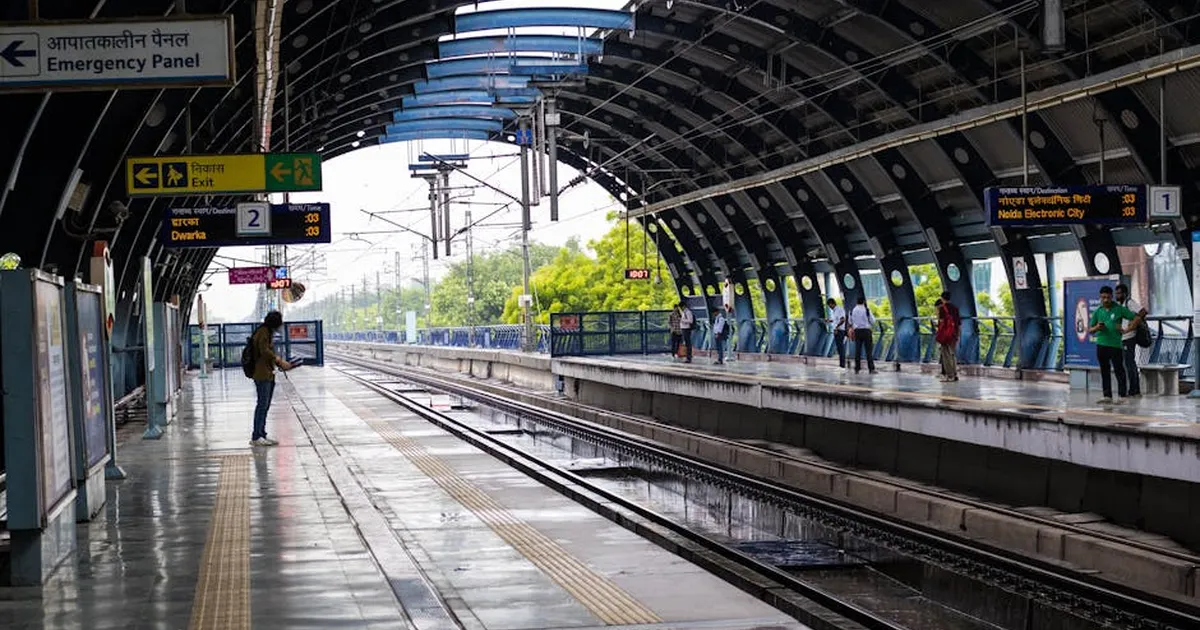
- Delhi Metro Blue Line Extension: The extension from Dwarka Sector 21 to Kherki Daula is confirmed for 2026–27. Once operational, Sectors 102, 103, 104, and 109 are expected to see another 15–20% price appreciation. Residents currently note that even without metro, roads are smooth and Cyber City is reachable in 10–15 minutes from sectors like 106.
- 27 Planned Metro Stations: The long-term metro masterplan along the corridor includes 27 proposed stations, significantly improving public transit access across the full length of the expressway.
- ₹923 Crore Trumpet Interchange: A new, signal-free interchange connecting the expressway to emerging hubs like Global City and Vision City — improving traffic flow for the western sections of the corridor.
- Kherki Daula Toll Relocation: The relocation of the Kherki Daula toll plaza to Pachgaon is expected to deliver meaningful toll relief for daily commuters in the Gurgaon-side sectors.
- Two New Flyovers: At Ambedkar Chowk and Dadi Sati Chowk, targeted for completion by mid-2027, aimed at decongesting key internal junctions.
- Global City Project: The ambitious Gurugram Global City masterplan adjacent to the corridor is a potential long-term demand engine — especially for commercial and mixed-use spaces.
- Yashobhoomi (IICC): Already operational, this massive convention and exhibition centre on the Delhi side adds institutional demand that benefits border sectors directly.
Social Infrastructure: Schools, Hospitals, Malls — What's Actually There in 2026
Here's where Dwarka Expressway has genuinely matured — and where some sectors still fall short. Be honest with yourself about what you need today, not just in 2028.
Education: Delhi Public School has opened a branch along the corridor. International schools like The Shri Ram School and Pathways are accessible in nearby areas. Over 10 Tier-1 international schools are now functional along or adjacent to the corridor, making it genuinely viable for families — not just investors. However, school density is uneven: Sectors 103–106 are better served than Sectors 99 or 84–89.
Healthcare: Artemis Hospital (Sector 51, ~15 minutes) remains the nearest major tertiary care facility and has begun extending satellite outpatient services toward the corridor. Marengo Asia Hospital and Medanta are also within a 20–25 minute drive from most sectors. Healthcare access is adequate for an emerging corridor but not as mature as Golf Course Road or Sohna Road sectors.
Retail: Conscient One Mall in Sector 109 is the corridor's most established retail hub. High-street retail in Sectors 113 and 106 has become operational with international brands and fine dining. That said, NoBroker buyer reviews note a consistent complaint: limited cafes, restaurants, and hangout options. One resident put it plainly — "Perfect for those who want peace and proximity to commercial hubs, but I wish there were more cafes nearby." This is a liveability gap that's closing, but hasn't closed yet.
Public Transport: This is the current Achilles' heel. Multiple buyer reviews flag that the expressway's sectors face a dearth of public transport beyond personal vehicles or app cabs. Auto-rickshaws are scarce in interior sectors. The metro, when it arrives, will transform this — but until 2026–27, budget accordingly for transport costs if you're car-free.
What Are Buyers Actually Saying? Honest Ground-Level Sentiment
Actual buyer and resident reviews paint a nuanced picture that developer brochures won't show you:
- Positives: Multiple residents praise the smooth, signal-free roads and faster-than-expected airport connectivity. "Even without metro the area doesn't feel like it's lacking because the roads are smooth and travel time is less," noted one Sector 106 resident on NoBroker. Residents also love the newer, modern apartment stock — larger carpet areas, better design, and international amenities compared to older Gurgaon colonies.
- Negatives — Waterlogging: Several sectors including 88, 103, 104, and 113 face waterlogging and inundation during monsoon. The drainage system is cited as a real problem by multiple residents, not a minor seasonal inconvenience. Buyers buying in lower-ground sectors should visit during or after monsoon to inspect drainage firsthand.
- Negatives — Power cuts: Sectors 102 and 107 report unplanned power cuts. Most gated community projects have adequate DG backup, but the broader sector infrastructure has gaps.
- Negatives — Waste management: Waste mounds near Dhankot Chowk (Sectors 102 & 103) are mentioned by local residents as an ongoing civic issue.
- Negatives — Dust and construction noise: Ongoing infrastructure work creates dust pollution and periodic access disruptions. If you're buying to move in immediately, inspect your specific sector's current construction activity status.
- Overall sentiment: Most buyers who've been in the corridor for 2+ years express satisfaction with their decision, particularly those in Sectors 106–109. The complaint-to-appreciation ratio is significantly more positive than what you'd have seen three years ago — which is itself a bullish signal for liveability trajectory.
Investment Risks: Don't Skip This Section
No guide worth reading ends without a clear-eyed look at what could go wrong. These are the real risks in 2026:
1. Oversupply in Mid-Belt Sectors
The 102–109 belt has the highest concentration of under-construction inventory on the entire corridor. Nearly 87,900 new units have been launched in the broader corridor. While absorption rates are strong (exceeding 97% across launched units corridor-wide), pockets of the mid-belt — particularly in Sectors 99, 103, and 106 — have seen concentrated launches from multiple developers simultaneously. If too many units hit the resale market at once, appreciation slows and rental yields compress. Avoid blanket exposure to this belt. Project-level due diligence is non-negotiable.
2. Possession Delays
Several under-construction developments are targeting completion between 2026 and 2027. Developer delays are an NCR-wide reality, not just a Dwarka Expressway problem. Always factor 12–18 months of potential delay into your EMI and rental yield calculations. RERA registration helps but does not eliminate delay risk — check the project's current construction progress in person before booking, not just via developer photos.
3. Metro Timeline Slippage
The metro extension is the single biggest upcoming price catalyst — but metro projects in NCR have a history of delays. If the Blue Line extension slips past 2028, some of the price appreciation already "priced in" to border sectors could see a correction or stagnation. Don't bet your entire ROI thesis on metro arriving exactly on schedule.
4. Short-Term Investor Trap
For investors looking at a 2–3 year horizon, Dwarka Expressway may not be the right choice. Stagnant prices in certain ready-to-move projects (like the Sobha City example showing 1.5% in a year), competition from Golf Course Extension Road, and higher stamp duty on purchase-resale cycles make this a 5–7 year hold for optimal returns. Short-term flipping is increasingly difficult.
5. Developer Quality Variance
With so many developers entering the corridor, construction quality varies enormously. Stick with Tier-1 developers with provable delivery records on Dwarka Expressway specifically — Godrej, Tata Housing, Sobha, Shapoorji Pallonji, M3M (with caveats), ATS Infrastructure. Be more cautious with regional or first-time-on-corridor developers, regardless of attractive pricing.
6. Ancillary Infrastructure Lag
Although 95% of the expressway is operational, some service roads, underpasses, and sector internal roads remain unfinished in patches. These finishing delays affect daily living convenience and can temporarily suppress resale interest in specific projects.
Dwarka Expressway vs. Alternative Corridors in 2026
| Corridor | Current Price (₹/sq ft) | Airport Distance | Metro Access | Liveability Now | 5-Year Appreciation Potential |
|---|---|---|---|---|---|
| Dwarka Expressway (Sec 113) | ₹15,000 – ₹18,000 | 8–15 min | Upcoming 2026–27 | Good, improving fast | High (spread compression play) |
| Golf Course Road | ₹33,000 – ₹40,000 | 25–35 min | Yes (Yellow Line) | Excellent | Moderate (already mature) |
| Golf Course Extension (SPR) | ₹15,000 – ₹22,000 | 30–40 min | Planned | Very Good | Moderate–Good |
| Sohna Road | ₹10,000 – ₹15,000 | 40–50 min | Limited | Good | Moderate |
| New Gurgaon (Sector 37–84) | ₹7,000 – ₹11,000 | 30–45 min | None currently | Developing | Moderate–High (long term) |
Dwarka Expressway Sectors 103–104 are now priced similarly to Golf Course Extension Road — but they offer materially better airport connectivity. Sectors 102 and 106 remain 15–20% cheaper than comparable Golf Course Extension micro-markets, making them the better value entry points if you're comparing on a price-per-feature basis. The 60% discount to Golf Course Road despite superior airport access is the core arbitrage thesis that institutional money is backing.
Rental Yield Reality Check
If you're buying for rental income, calibrate your expectations carefully. The average rental yield on Dwarka Expressway is approximately 2–3%, which is honest but unremarkable. Premium ready-to-move projects in the right sectors — particularly those near the Delhi border with strong corporate tenant demand — can achieve 3.5% to 4.5% gross rental yield, which is significantly above the Gurgaon corridor average. Properties with features like EV charging points, smart home automation, and green certifications are commanding 15% higher rentals than standard units of equivalent size.
The corridor's tenant base includes airline staff based at IGI Airport, professionals in Cyber City and Udyog Vihar, NRI families, and increasingly, diplomats. This is a premium, stable tenant pool — not transient professionals looking for the cheapest option. That stability protects your rental income through economic cycles.
Buyer Checklist Before You Sign
- ✅ Verify RERA registration — Check the project on the Haryana RERA portal (hrera.org.in). Don't rely on developer claims. Verify phase-wise disclosures specifically.
- ✅ Visit during monsoon — Or at least ask about drainage. Waterlogging is a documented problem in multiple sectors. Inspect the approach roads and sector roads after rain.
- ✅ Check current construction progress in person — Developer photos are optimistic. Visit the site. Talk to the project's existing residents if any floors are occupied.
- ✅ Research your specific sector's supply pipeline — How many other projects are launching or completing in the same sector in 2026–27? High supply means slower appreciation and rental yield pressure.
- ✅ Confirm developer track record on Dwarka Expressway specifically — A developer with good projects in Noida doesn't automatically translate to quality execution on this corridor.
- ✅ Factor in parking and maintenance costs — Gated communities here charge ₹4,000–₹12,000/month in maintenance. Calculate actual cost of ownership, not just EMI.
- ✅ Evaluate current liveability, not future promises — Schools, hospitals, grocery stores: can you live here comfortably today? If not, are you prepared for the transition period?
- ✅ Get a legal title check done independently — Some sectors have historical land acquisition disputes. A qualified property lawyer's title search is non-negotiable for plots and resale properties.
- ✅ Calculate your break-even holding period — Include stamp duty (6% in Haryana), brokerage (typically 1–2%), loan processing fees, and maintenance costs in your ROI calculation.
- ✅ Compare at least 3 alternatives — Before committing, visit comparable options on SPR or Sohna Road to understand relative value. Decision-making in isolation is a buyer's enemy.
Frequently Asked Questions
Q: Is Dwarka Expressway still a good investment in 2026, or has the opportunity passed?
The honest answer: the explosive early-stage gains are behind you. The corridor has re-rated from speculative promise to proven urban destination. That doesn't mean it's a bad investment — it means the risk profile has changed. You're no longer betting on infrastructure happening; you're underwriting a live, operational corridor. For a 5–7 year hold with careful sector selection, Dwarka Expressway still offers strong risk-adjusted returns. For a 2–3 year flip, it's considerably more challenging than it was in 2021–2023.
Q: Which is the best sector on Dwarka Expressway to buy in 2026?
There is no single best sector — only the best sector for your specific objective. For premium lifestyle and long-term appreciation: Sector 113 or 114. For balanced living plus investment returns: Sector 111. For end-user families wanting ready-to-move options: Sectors 103 or 104. For value entry with longer appreciation horizon: Sectors 102 or 106. Treating the corridor as one zone is a capital error.
Q: When will the metro arrive on Dwarka Expressway?
The Blue Line metro extension from Dwarka Sector 21 to Kherki Daula is confirmed for 2026–27, with 27 metro stations planned along the corridor. Construction is expected to begin in 2026 and take approximately 30 months. This is the single biggest upcoming price catalyst — once operational, Sectors 102, 103, 104, and 109 are expected to see 15–20% additional appreciation. However, NCR metro timelines have historically slipped, so build conservatism into your projections.
Q: What rental yield can I realistically expect on Dwarka Expressway?
Expect 2–3% gross rental yield for most properties, rising to 3.5–4.5% for premium ready-to-move units in well-connected sectors closer to the Delhi border or near operational commercial hubs. Properties with smart home features, EV charging, and green building certifications command meaningfully higher rents than standard apartments of similar size. Build in vacancy costs of 1–2 months per year when calculating net yield.
Q: What are the biggest red flags to watch for when buying on Dwarka Expressway?
Watch for: developers with no prior completed delivery on this specific corridor; projects in sectors with disproportionately high unsold inventory; building approvals that haven't received occupancy certificates; sectors flagged for waterlogging without any civic drainage remediation plan; and projects priced significantly below market average without a clear explanation. If something seems too cheap for the sector, investigate why aggressively before booking.
Q: How does Dwarka Expressway compare to Golf Course Extension Road?
Golf Course Extension (SPR) currently offers superior liveability — more mature social infrastructure, better restaurant and retail density, and an established corporate rental market. Dwarka Expressway wins on airport proximity, newer residential stock, and price-to-potential value. Premium Dwarka Expressway sectors (113, 111) now price comparably to Golf Course Extension — meaning you get similar rates but better airport access. For investors prioritising long-term upside over present comfort, Dwarka Expressway edges ahead. For families prioritising day-one liveability, Golf Course Extension still wins.
Our Verdict: Who Should Buy, Who Should Wait
Buy now if: You're an end-user working in Delhi, Aerocity, or Cyber City; you travel frequently and value airport access; you want a modern gated community lifestyle; and you can commit to a 5+ year horizon. Focus on ready-to-move or near-completion projects in Sectors 103–109 from Tier-1 developers.
Buy for investment if: You're targeting border luxury sectors (113, 114) with a 5–7 year view, betting on the spread compression thesis against Golf Course Road. Keep a close watch on metro construction progress — that's your biggest re-rating trigger.
Wait if: You need to flip within 2–3 years; you haven't done sector-specific supply research; or you're considering a smaller or regional developer without a completed project on this corridor. Come back when you've done the ground work.
Dwarka Expressway is no longer a high-risk bet on an unproven corridor. It's a genuine, functioning urban destination that still carries meaningful appreciation potential for disciplined, informed buyers. The key word is "disciplined." This market rewards research and punishes assumption.
Related Guides