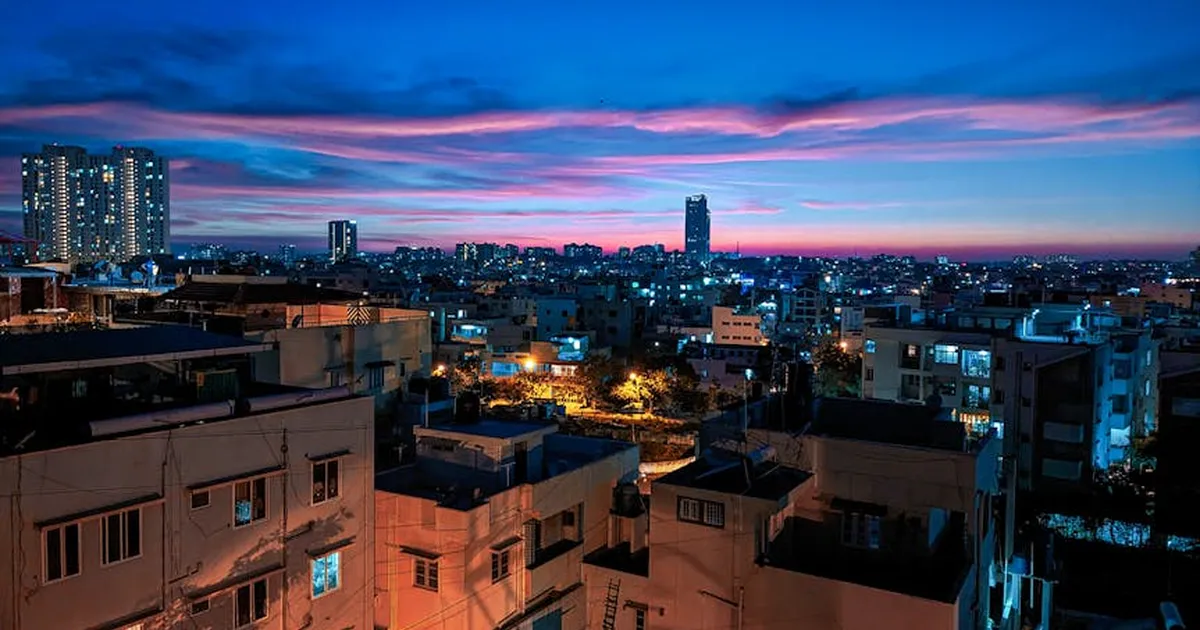
Pune
About Pune Real Estate
Pune’s real estate landscape has been shaped by its vibrant economic ecosystem—booming IT and manufacturing hubs, prestigious educational institutions, and a flourishing startup culture. Over the past five years, demand has been fuelled by rising corporate presence in Hinjawadi, Kharadi, and PCMC, alongside consistent urban expansion driven by planning and infrastructure improvements. The market surged dramatically until 2023, with robust launches and sales; however, 2024 marked a consolidation phase. Supply disciplined itself with launches down by around 28%, even as price growth hovered in the double digits, signaling a shift toward balance rather than exuberance.
This period reflects a transition from a strong bull market into a stable phase, where sustained demand meets constrained supply—making the current phase one of resilience rather than mania. Prospective buyers should view this as a moment of opportunity: prices have climbed meaningfully, but signs of moderation suggest a leveler market where value and timing matter.
Why Invest in Pune
Residential prices have appreciated significantly over the past 3–5 years, with around 40% growth seen across the city. In H1 2025 alone, Pune recorded total housing sales of nearly ₹33,000 crore—up nearly 80% from just ₹36,000 crore in 2021—demonstrating both strong demand and rising prices. Mid-segment home sizes and prices have expanded noticeably, reflecting shifting buyer preferences.
Several infrastructure projects are boosting growth momentum: the Pune Metro expansion, the developing Peripheral Ring Road, and easing regulatory approval pipelines. Though exact completion dates vary, enthusiasm is escalating. As a comparative benchmark, real estate returns in Pune have outpaced traditional options like fixed deposits (5–7% annually), gold (~8–10% per annum) and even broad stock market indices (~12–15%) over the past few years—solidifying Pune real estate as a compelling investment class.
Price Trends
| Locality | Current Avg Price (₹/sqft) | 1-Year Change (%) | 3-Year Change (%) | Budget Segment |
|---|---|---|---|---|
| Pimpri‑Chinchwad (PCMC) | ₹12,226 | +31.7% | ~40% | Mid to Premium |
| Pune South | ₹11,859 | +22.3% | ~30–35% | Mid |
| Pune East | ₹13,391 | +17.4% | ~25–30% | Mid to Premium |
| Pune West | ₹13,053 | +5.4% | ~20–25% | Mid to Premium |
| Pune Central | ₹16,140 | −12% | ~5–10% | Premium |
| Baner Gaon | ₹13,550 | +26.6% | ~35% | Premium |
| Wakad / Kharadi (approx) | ₹11,000–13,000 | +~10–15% | ~25–30% | Mid |
| Peripheral pockets (Wagholi / Undri / Moshi) | ₹5,000–7,000 | +~15% | ~20–25% | Budget |
Areas like Pimpri‑Chinchwad and Baner Gaon are appreciating fastest—driven by new infrastructure, IT connectivity, and relative affordability. Pune South and East follow closely, backed by mature social infrastructure and strong demand. Pune Central is seeing price compression, indicating saturation or premium price correction.
Top Localities for Homebuyers
- Kharadi – Ideal for IT professionals working in EON IT Park. Offers vibrant cafes, international schools, healthcare clinics. Price range ~₹11,000–13,000/sqft.
- Baner – Young families and young professionals love its mix of green enclaves and trendy hangouts. Rent for 2BHK stands ₹20k–30k. Price ~₹13,500/sqft.
- Wakad – Fast-growing with good schools like The Bishops School and Sinhagad Road Mall. Affordable mid-segment, ₹8,000–10,000/sqft.
- Pimpri‑Chinchwad – Great for value-driven buyers, excellent civic infrastructure and schools, quick Metro access. ~₹12,200/sqft.
- Hadapsar – Balanced mix of industry and suburb vibe; close to Magarpatta and SP Infocity. Price ~₹10,000–11,000/sqft.
- Viman Nagar – Popular with families and NRIs for its proximity to airport (~3 km) and shopping. Price ~₹12,000–14,000/sqft.
- Aundh – Established residential zone, large open parks and German Bakery culture. Price ~₹14,000–16,000/sqft.
- NIBM Road – Quiet, leafy roads with strong schools like Vidya Valley. Good mid-premium choice; price ~₹11,000–13,000/sqft.
Top Localities for Investors
- Pimpri‑Chinchwad (PCMC) – Rapid 31% annual growth, infrastructure-led gains, rental yield ~4%+
- Baner Gaon – Stark 26% yearly appreciation, lower premiums than Baner Road, yield ~4–5%
- Wakad – Proximity to Hinjawadi IT Park and Metro corridor ramp-up, relatively affordable ~₹8k–10k/sqft
- Kharadi – Rental yield ~4–6%, high tenant demand, price growth healthy
- Moshi / Undri – Low entry prices ~₹5k–7k/sqft, upcoming infrastructure, high upside potential
Infrastructure & Connectivity
Pune Metro is rolling out multiple lines—Line 1 (Vanaz–Ramwadi) is operational; Line 2 (Mahalunge–Yerwada) and Line 3 (Hinjewadi–Vanaz) are under construction with phased completions expected by 2026–2027. The Peripheral Ring Road is planned and enhancing connectivity across western and eastern belts. The airport lies approximately 7–8 km from Mundhwa/Viman Nagar and 3–4 km from Viman Nagar area. Pune Railway (Mumbai–CSMT route) and Shivajinagar station are central hubs, with several bus terminals at Swargate, Katraj, and Hadapsar supporting intracity and intercity travel.
Government Policies & Regulations
The Maharashtra Real Estate Regulatory Authority (MahaRERA) oversees project regulation. Stamp duty across Pune stands at roughly 5% on property value plus 1% for registration for women buyers, and 6% for others. Circle rates vary locality-wise—e.g., around ₹10,000–16,000 /sqft in core zones. Recent policy changes include streamlined approvals in PMC and relaxation of FSI for designated corridors, helping project turnaround.
Living in Pune
Pune enjoys a moderate, tropical wet-and-dry climate—warm summers, mild winters. Monsoon brings ample rainfall. Water supply and power are generally reliable, supported by reservoirs and Pune’s water utility; short seasonal disruptions may occur. Air quality is better than Delhi or NCR but dips near industrial zones.
Safety ranks high in residential zones. Pune’s cultural life is rich—Ganpati festivals, live music, educational institutes, and food scenes ranging from street vada pav to trendy cafes. For weekend escapes, Lonavala, Khandala, Mulshi, and Mahabaleshwar are within 1.5–2 hours by car.
FAQ
- Is Pune good for investment? Absolutely—price appreciation of ~40% over five years, strong demand, new infrastructure, and rental yields of ~4–6% make it highly attractive.
- Best area to buy flat in Pune? For families, Viman Nagar or Aundh; for IT professionals, Kharadi or Wakad; for value plus growth, Pimpri‑Chinchwad or Baner Gaon.
- Pune vs Bengaluru? Pune remains more affordable (~₹7k–11k/sqft vs Bengaluru’s ₹10k–15k+) and easier to navigate, with upcoming Metro and ring roads boosting connectivity significantly.
- Pune property price forecast? Expect mid-single-digit citywide growth in 2026, faster in corridors tied to metro or ring road.
- Stamp duty in Pune? Around 5% for general buyers plus 1% registration fee; women buyers enjoy a 1% waiver in some cases.
Projects in Pune
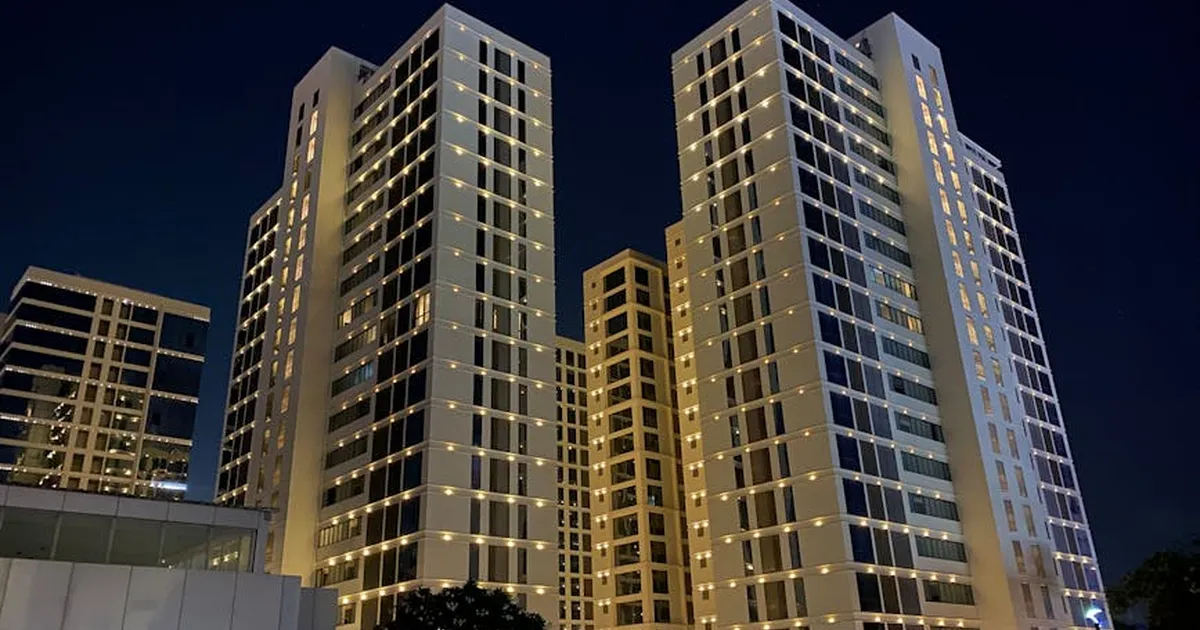
Purva atmosphere, Keshav nagar, Pune
₹93 Lacs – ₹1.69 Cr