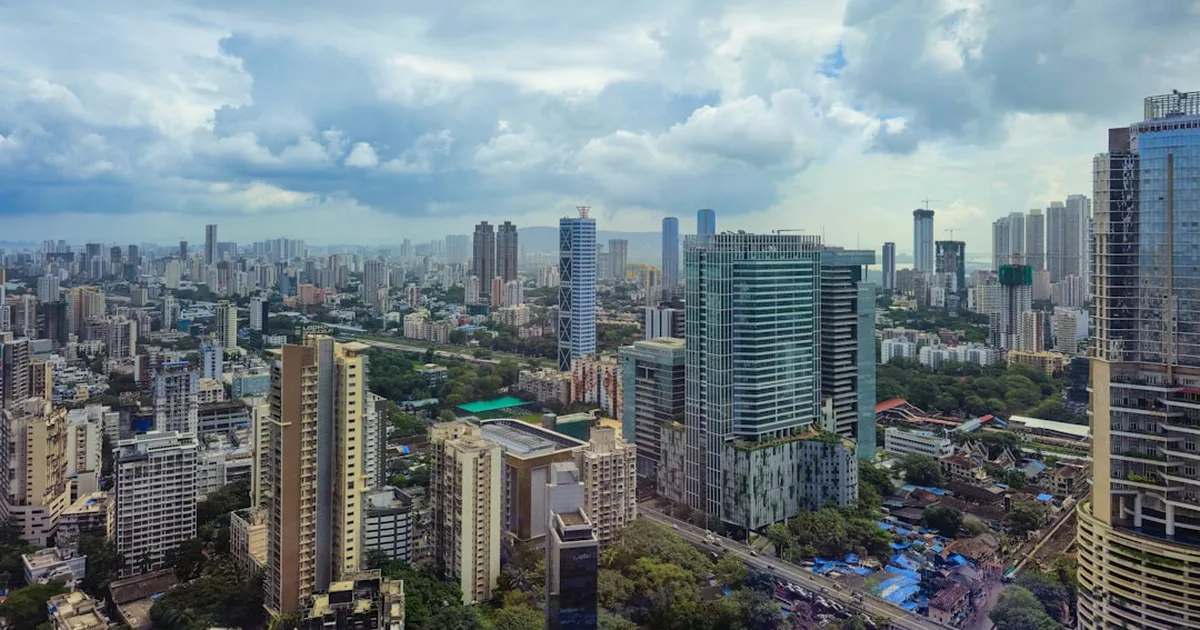
Mumbai
About Mumbai Real Estate
Mumbai’s real estate scene is shaped by its unique role as India’s financial powerhouse—with commercial hubs, world-class port access, thriving manufacturing, booming IT/BPO clusters, and a strategic governmental presence. Demand drivers span multiple segments: premium luxury in South Mumbai, budding transit-oriented growth corridors, and redevelopment opportunities in older areas. Over the past five years, the city has seen substantial upswing, with average property rates rising consistently, especially in transit-connected micromarkets.
Today, Mumbai’s market stands in a moderately bullish, stable phase. After rapid price growth until mid‑2025, growth momentum has steadied. The market remains strong, underpinned by high-income demand and constrained land supply, especially in premium zones.
Why Invest in Mumbai
Price appreciation over the last three to five years has been remarkable. City-wide average rates rose from around ₹19,900 per sq ft in Q1 2022 to over ₹25,150 in Q1 2024—a growth of approximately 26%—highlighting robust medium-term returns. On a quarterly basis, the city rate moved from ₹34,714 in March 2025 to ₹37,713 by December 2025, reflecting renewed investor confidence.
Key infrastructure catalysts include major metro expansions crossing central and western suburbs (expected completion between 2026–2028), the extended coastal road and upcoming Navi Mumbai Airport connectivity, and the dynamic dialogue around coastal freeway extensions. These projects are magnetising capital. Historically, Mumbai real estate outpaces fixed deposits and gold: a 25–30% appreciation in three years versus FD’s 8–9% or gold at 10–12% and stock market averages of 12–15%.
Price Trends
| Locality | Current Avg Price (₹/sqft) | 1-Year Change (%) | 3-Year Change (%) | Budget Segment |
|---|---|---|---|---|
| South Mumbai (premium areas) | ₹45,000–₹75,000 | ≈5–10% | ≈20–25% | Ultra‑luxury |
| Lower Parel / Worli | ₹35,000–₹55,000 | ≈8–12% | ≈25–30% | Premium |
| Bandra | ₹40,000–₹65,000 | ≈7–10% | ≈22–28% | Premium |
| Andheri | ₹22,000–₹38,000 | ≈6–9% | ≈18–24% | Mid‑segment |
| Goregaon | ₹20,000–₹32,000 | ≈5–8% | ≈15–20% | Mid‑segment |
| Borivali | ₹18,000–₹28,000 | ≈4–6% | ≈12–18% | Mid‑segment |
| Dadar | ₹28,000–₹45,000 | ≈6–9% | ≈20–25% | Premium |
| Vashi / Navi Mumbai | ₹14,000–₹22,000 | ≈5–9% | ≈18–24% | Affordable |
The fastest-appreciating zones include Lower Parel, Worli, and Bandra, driven by redevelopment and sea-view high‑rise launches. Central suburbs like Dadar benefit from both redevelopment and growing connectivity. Peripheral zones like Navi Mumbai and Borivali are appreciated by first-time buyers for better affordability and impressive 15–25% growth.
Top Localities for Homebuyers
- South Mumbai (Malabar Hill, Cuffe Parade): Iconic, walk‑to sea, elite schools like JBCN, Breach Candy Hospital nearby. Best for ultra‑luxury seekers. Price ~₹70,000–₹1,20,000/sq ft.
- Lower Parel / Worli: Lifestyle malls like Phoenix Marketcity, top-tier hospitals, gyms, offices—perfect for young professionals and families. Price ~₹45,000–₹90,000/sq ft.
- Bandra West: Vibrant café culture, top schools like St Andrew’s, proximity to Bandra‑Worli Sea Link makes it ideal for cosmopolitan families. ₹40,000–₹65,000/sq ft.
- Andheri West: Combination of studios, schools, metro access, home to film industry hubs—great for working professionals and producers. ₹22,000–₹38,000/sq ft.
- Goregaon: Upcoming corporate offices, good schools like Gundecha, major malls like Oberoi Mall—suits mid‑market families. ₹20,000–₹32,000/sq ft.
- Borivali West: Green belts, metro phase‑II coming, schools and hospitals in range, friendly for first-time buyers. ₹18,000–₹28,000/sq ft.
- Dadar: Excellent rail connectivity, shopping street, elite schools—great mix of tradition and convenience. ₹28,000–₹45,000/sq ft.
- Vashi (Navi Mumbai): Wide roads, new plots, reputed schools like Ryan International, Vashi central mall. Perfect for budget-conscious families seeking modern infrastructure. ₹14,000–₹22,000/sq ft.
Top Localities for Investors
- Lower Parel / Worli: Premium redevelopment zones, high rental demand, yields ~2.5–3%, strong resale upside.
- Bandra: Sea link enhancer, consistent demand from expatriates and Indian corporates—yields ~2.2–2.8%, long‑term upside solid.
- Dadar: Central transit hub with redevelopment spurt, entry prices lower than South, yields ~2.5–2.9%.
- Borivali West: Metro Line 2 expansion, land availability—mid‑term growth poised ~15–20%, rental yield ~2.8–3.2%.
- Vashi / Navi Mumbai: Planned metro and airport corridor, entry-level pricing, expected 20–25% gains in next 3 years, yields ~3–3.5%.
Infrastructure & Connectivity
Mumbai’s infrastructure continues to expand beyond its historic core:
- Metro Lines: Line 2A/2B (Dahisar–DN Nagar to Mandale, operational soon), Line 3 (Versova–Colaba, under construction, projected 2027), Line 4 (Wadala–Kasheli, mid-late 2020s), Metro Line 7 & 9 (Santa Cruz–Ghatkopar & Dahisar East–Dahisar West).
- Expressways: Coastal Freeway underway; Mumbai–Navi Mumbai connector being planned.
- Airport: Chhatrapati Shivaji International Airport ~30 km from Navi Mumbai; upcoming Navi Mumbai International Airport in Panvel will be ~40 km from city centre, expected operational by 2027–2028.
- Railways: Western & Central suburban lines remain lifeline; Mumbai Trans Harbour Link connecting south Mumbai with Navi Mumbai is nearing completion.
- Bus Terminals: Major hubs at Bandra, Dadar, and Navi Mumbai’s Belapur.
Government Policies & Regulations
The Maharashtra Real Estate Regulatory Authority (MahaRERA) oversees Mumbai transactions. Stamp duty in Mumbai stands at 6% for male buyers, 5% for female buyers, plus 1% registration fee (capped at ₹30,000), making total transfer cost 7% for men, 6% for women. Ready‑reckoner rates were revised upward by 3.39% in FY25‑26, raising transaction values. A recent scheme, Mudrank Shulakh Abhay Yojana, granted amnesty by waiving stamp duty and penalties for older unstamped documents up to 2020—useful for buyers in redevelopment societies.
Living in Mumbai
Mumbai is tropical, with humid monsoons and pleasant winters. Water supply enjoys relatively good infrastructure but relies on regular rain replenishment—areas like South Mumbai see fewer disruptions. Power is stable, although some suburbs face occasional outages. Air quality fluctuates; peripheral zones see better air than congested central areas.
Safety is decent, especially in gated complexes. The city brims with cultural energy—rich food scenes (from vada pav stalls to fine dining), theatre, beaches, festivals. Weekends can be spent at Lavasa, Lonavala, Alibaug or historical forts—all within 100–150 km. It's a city that mesmerises and challenges in equal measure.
FAQ
- Is Mumbai good for investment? Yes, historically strong appraisal and rental returns, especially in transit-linked and redevelopment areas.
- Best area to buy a flat in Mumbai? For stability and long-term growth: Lower Parel/Worli or Bandra. For affordability and space: Navi Mumbai (Vashi, Kharghar) or Borivali West.
- Mumbai vs Pune? Mumbai offers unmatched liquidity, job density, and long-term capital security. Pune is cheaper but doesn’t match Mumbai’s rental and resale momentum.
- Property price forecast in Mumbai? Expect 10–15% growth in 2026 in core zones; 15–25% in emerging suburbs like Navi Mumbai and Borivali.
- Stamp duty in Mumbai? 6% for men, 5% for women, plus 1% registration fee up to ₹30,000—total 7% or 6%, depending on buyer.
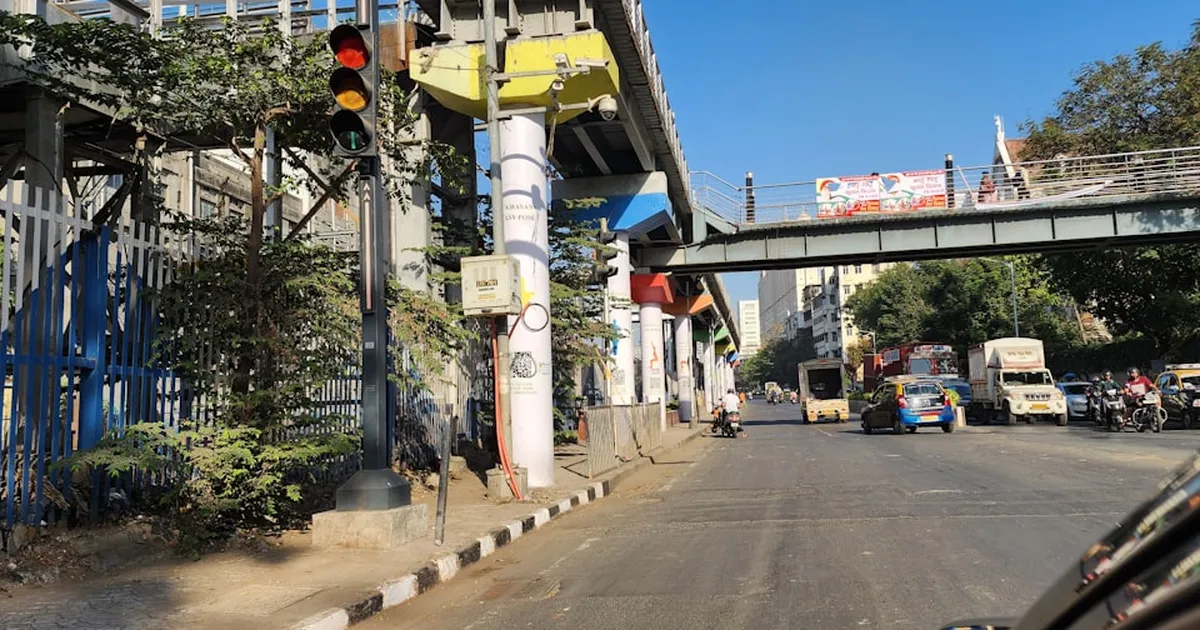
Localities in Mumbai
Projects in Mumbai
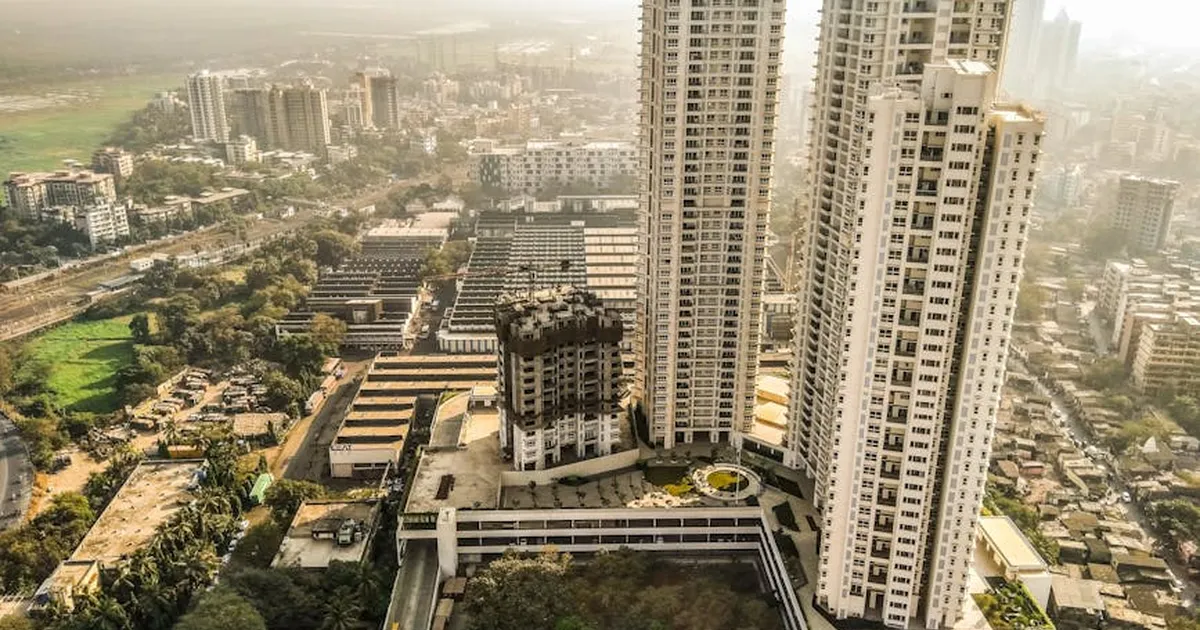
Dlf The Westpark Andheri West Mumbai
₹4.5 Cr - ₹8 Cr