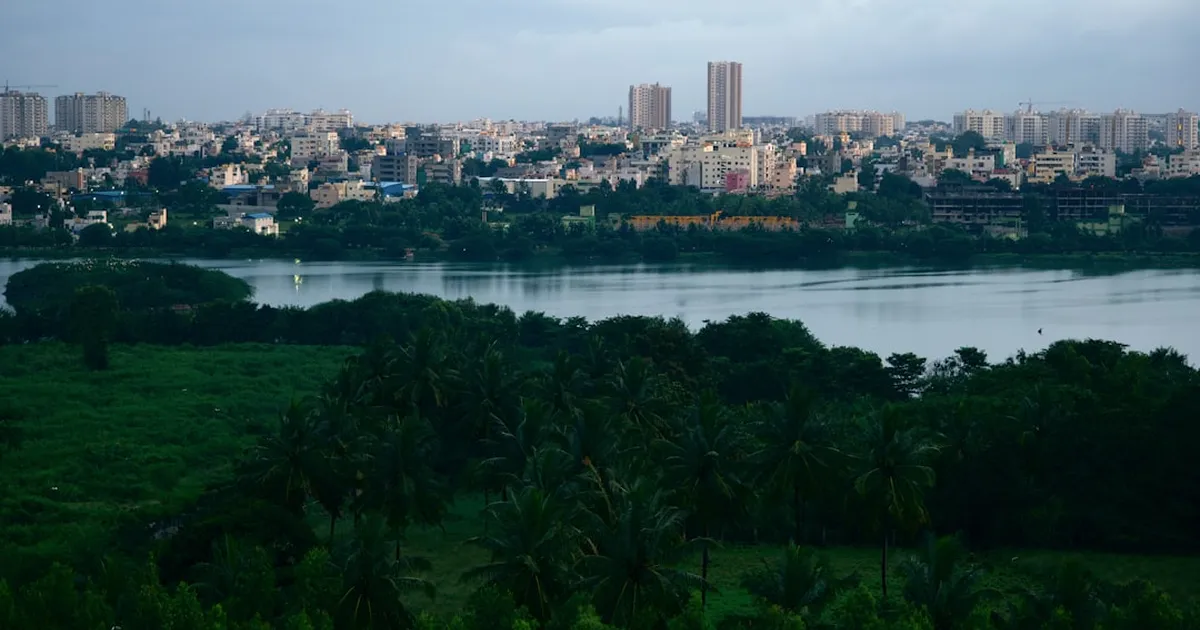
Bangalore
About Bangalore Real Estate
Bangalore — officially Bengaluru — is India's undisputed technology capital and the third-largest residential real estate market in the country, commanding roughly 16% of national residential sales volumes. The city's real estate story is powered by one engine above all others: its IT and startup ecosystem. Home to the Indian campuses of Amazon, Microsoft, Infosys, Wipro, Flipkart, and thousands of startups, the city draws a steady wave of high-income professionals who need homes. Add to that a burgeoning aerospace and defence manufacturing sector in North Bangalore, biotech clusters along the Outer Ring Road, and a growing base of NRI homebuyers, and you have demand that simply does not switch off.
Over the last five years, the market has moved through three distinct phases: a pandemic-induced pause in 2020-21, a sharp rebound led by the "space upgrade" trend in 2022-23, and a mature premium-led expansion since 2024. As of 2025-26, the market is best described as a premium-led stabilisation — not a boom, not a correction. Prices are rising at a healthy 8-12% annually in well-connected corridors while some fringe micro-markets have plateaued. Total residential sales in 2024 reached approximately 55,362 units, and with robust absorption rates, inventory has shrunk to multi-year lows. The current challenge: affordability is tightening in the mid-segment, and buyers are getting more selective.
Why Invest in Bangalore
The numbers are striking. Whitefield, Bangalore's most prominent IT suburb, has seen flat prices appreciate 95.9% over three years and an extraordinary 144.8% over five years — a compounded return that significantly outpaces bank FDs (averaging 6-7%), physical gold (approximately 14-16% CAGR over this period), and even many equity mutual funds on a risk-adjusted basis. Sarjapur Road has mirrored this trajectory, rising roughly 73.5% since 2019. KR Puram is up 89.1% over five years. Bannerghatta Road clocked a staggering 89.2% rise over the same period. These are not isolated stories — they reflect a city-wide re-rating driven by structural demand.
Knight Frank's Prime Global Cities Index (Q2 2025) ranked Bangalore 4th globally for annual growth in prime housing prices at 10.2% — ahead of many global capitals. Rental yields average 3-5% across micro-markets, with KR Puram touching 5% and Electronic City around 4%, providing a meaningful income return on top of capital appreciation.
Key Infrastructure Projects Driving Growth
- Namma Metro Blue Line (Airport Line, Phase 2B): A transformational 58.19 km corridor connecting Central Silk Board to Kempegowda International Airport via KR Puram, Nagawara, Hebbal, and Yelahanka — expected to open June 2026. This single project is the biggest catalyst for North Bangalore real estate for the next decade.
- Namma Metro Pink Line: Kalena Agrahara to Nagawara (21.25 km, mostly underground). Trains are arriving at depots as of early 2026 and partial launch is being prepared for.
- Metro Phase 3: Foundation stone laid by PM Modi on August 10, 2025 — 44.65 km of new corridors, expected to benefit Sarjapur Road, JP Nagar, and Hebbal by approximately 2028-30.
- Peripheral Ring Road (PRR): A ₹21,091 crore, 73.5 km access-controlled ring road connecting Tumkur Road to Hosur Road, targeting completion by December 2027. Will unlock Sarjapur, Varthur, Whitefield, and airport connectivity in a transformational way.
- Satellite Town Ring Road (STRR): A 280.8 km NHAI expressway circling satellite towns around Bangalore, partially operational, with remaining stretches under construction. Areas like Devanahalli, Hoskote, and Sarjapur are primary beneficiaries.
- Bengaluru Suburban Rail Project (BSRP): Four rail corridors connecting the city centre to suburbs, integrated with the metro. Work has commenced; phased completion expected post-2027.
- Kempegowda International Airport Terminal 2 expansion: Phase II by 2028 adds 200,000 sq.m. and 20 million more passengers annually, reinforcing North Bangalore's economic importance.
Price Trends
The table below reflects current average rates per square foot across key Bangalore localities, sourced from 99acres and market aggregators as of early 2026. Note that premium projects within the same locality can command 30-40% above these averages.
| Locality | Avg Price (₹/sqft) | 1-Year Change (%) | 3-Year Change (%) | Budget Segment |
|---|---|---|---|---|
| Whitefield | ₹14,200 | +29.1% | +95.9% | Mid-Premium |
| Sarjapur Road | ₹10,500–₹11,000 | +12–14% | +60–73% | Mid-Premium |
| KR Puram | ₹9,550 | +30.8% | +67.5% | Mid-Segment |
| Bannerghatta Road | ₹9,650 | +47.3% | +46.2% | Mid-Segment |
| Electronic City | ₹7,200 | +21.0% | +46.9% | Affordable-Mid |
| Hebbal | ₹13,000–₹16,000 | +19.3% | ~+55% | Premium |
| Devanahalli | ₹8,200–₹8,500 | +15.7% | ~+40% | Mid-Growth |
| Koramangala | ₹22,000–₹25,000 | Stable | +20–25% | Luxury |
| HSR Layout | ₹13,000–₹14,000 | +10–12% | +35–45% | Premium |
| Hennur Road | ₹10,000 | +15% | ~+50% | Mid-Premium |
The fastest-appreciating areas right now are clustered in two distinct growth corridors. The East-Southeast corridor — Whitefield, KR Puram, and Sarjapur Road — continues to outperform driven by the Purple Line metro extension already operational to Whitefield (Kadugodi), and relentless demand from IT professionals. Whitefield's 29.1% single-year appreciation reflects both constrained supply and genuine end-user demand, not speculative froth. The North Bangalore corridor — Hebbal, Yelahanka, Devanahalli, and Hennur Road — is being re-rated ahead of the Airport Metro (Blue Line, expected June 2026). Bannerghatta Road's dramatic 47.3% one-year jump is partly attributable to the upcoming Pink Line metro and a flurry of new premium project launches. One honest caution: some of these numbers include listing prices rather than pure transaction prices, and in markets like Bannerghatta Road, the actual registration data shows transaction rates closer to ₹6,300-6,500/sqft for completed stock. Always compare both listing prices and government-registered transaction rates before deciding.
Top Localities for Homebuyers
1. Whitefield
The undisputed king of Bangalore's residential market. Whitefield is home to ITPL, International Tech Park, and dozens of MNC campuses, giving it an almost self-contained economy. Prestige Shantiniketan, Prestige Park View, and Brigade Cornerstone Utopia are landmark projects here. The Purple Line metro now runs to Kadugodi, making the commute to Majestic under 50 minutes. Best for: IT professionals, mid-to-senior level executives, and serious investors. Price range: ₹12,050–₹17,800/sqft for flats; 2 BHKs from ₹85 lakh upwards.
2. Sarjapur Road
Once a dusty peripheral corridor, Sarjapur Road today is Bangalore's most exciting mid-premium residential zone. Its genius lies in location: equidistant from Electronic City, Whitefield, and the Outer Ring Road tech belt, meaning residents can work anywhere without a brutal commute. Reputed schools like Inventure Academy and Orchids International make it a magnet for families. Best for: Young families, professionals working on ORR or Electronic City, long-term investors. Price range: ₹10,200–₹12,000/sqft; 2 BHK rents start at ₹35,000/month.
3. Koramangala
Bangalore's most famous neighbourhood needs no introduction, but here's what makes it different from the rest: it's the only area where you can walk to a microbrewery, a Tier-1 hospital, and your startup office in under 15 minutes. Every major tech company has an outpost nearby on Hosur Road or the ORR. Downside: you'll pay Bandra-level prices for your apartment, and parking is a perpetual headache. Best for: Startup founders, senior professionals, NRIs seeking a pied-à-terre. Price range: ₹22,000–₹25,000/sqft.
4. HSR Layout
Perfectly positioned between Koramangala and Sarjapur Road, HSR Layout delivers that rare urban trinity — good schools (Delhi Public School is minutes away), well-maintained wide roads, and a buzzing social scene. It has become something of a startup enclave, with a disproportionate number of founders living here. Best for: Startup professionals, dual-income families wanting walkable convenience. Price range: ₹13,000–₹14,000/sqft.
5. Hebbal
North Bangalore's premium flagship, sitting at the intersection of the Outer Ring Road and Bellary Road. Manyata Tech Park and Kirloskar Tech Park together employ tens of thousands, providing a built-in tenant and buyer base. The Phoenix Mall of Asia and Elements Mall handle the retail side. Two upcoming Blue Line metro stations (Hebbal North and Hebbal West) will cement its premium status. Best for: Professionals working in North Bangalore tech parks, investors eyeing airport corridor appreciation. Price range: ₹13,000–₹16,000/sqft.
6. Electronic City
The oldest IT district in Bangalore — and still one of the most resilient. Infosys, Wipro, TCS, and HCL all have massive campuses here. The newly operational Yellow Line metro (inaugurated August 2025) connects Electronic City directly to RV Road in 25 minutes, solving its biggest historical weakness: the long commute. This infrastructure unlock has already started moving prices. Best for: Budget-to-mid buyers, first-time homeowners, investors seeking rental yield (4% average). Price range: ₹5,300–₹10,400/sqft; highly varied by project age.
7. Indiranagar
One of Bangalore's most coveted addresses, sitting on the Purple Line metro for easy access to both Whitefield and MG Road. The 100 Feet Road is arguably the best restaurant street in South India. Prices have remained relatively stable lately — which in this market means they've matured, not stagnated. Limited new supply keeps the resale market taut. Best for: Professionals who value lifestyle and connectivity over space, NRI buyers. Price range: ₹15,000–₹22,000/sqft (varies widely by lane and age of building).
8. Devanahalli
A decade ago, people laughed at the idea of buying a home in Devanahalli. Today, with the Aerospace SEZ, BIAL IT Investment Region, and Kempegowda International Airport as its three anchors, this North Bangalore town is a legitimate residential market. The Navayuga Devanahalli Expressway cuts the drive to Hebbal to under 30 minutes. Best for: Budget-conscious investors with a 5-7 year horizon, aerospace/BIAL employees. Price range: ₹8,000–₹9,000/sqft — still the most affordable major growth corridor in the city.
9. JP Nagar / Bannerghatta Road
South Bangalore's established residential belt, offering a mix of old-money bungalows and new high-rises. JP Nagar has excellent social infrastructure — Fortis Hospital, multiple well-regarded schools, and the Green Line metro along Kanakapura Road nearby. Bannerghatta Road is wilder in terms of pricing momentum (47% in one year) partly due to new project launches by Prestige and others. Best for: Established families, professionals who want South Bangalore's quieter lifestyle. Price range: ₹7,000–₹15,000/sqft depending on vintage and exact location.
10. KR Puram
The underappreciated gem. KR Puram sits on the Purple Line metro, borders Whitefield, and yet prices are still 30-35% below Whitefield for comparable stock. Sobha Lake Gardens and Monarch Aqua are among the premium options. The upcoming Blue Line (Airport Metro) will pass through KR Puram, adding another layer of connectivity value. Best for: Value-oriented buyers who want Whitefield access without Whitefield prices. Price range: ₹6,600–₹12,150/sqft; average around ₹9,550/sqft.
Top Localities for Investors
1. KR Puram — High Appreciation + Metro Convergence
With the Purple Line already operational and the Airport Blue Line passing through, KR Puram will eventually be a two-metro node. Prices have risen 89.1% over five years but are still at a 35% discount to Whitefield. Rental yield here is among the city's highest at 5%. The investment thesis: buy before the Blue Line opens, then ride the post-infrastructure re-rating. Best entry: mid-segment apartments from ₹7,500-9,000/sqft range.
2. Devanahalli / North Bangalore Corridor
The Airport Blue Line (expected June 2026) connecting KR Puram to Kempegowda International Airport via Hebbal and Yelahanka is the single largest untapped catalyst in Bangalore real estate right now. Devanahalli at ₹8,200/sqft remains the cheapest entry into this corridor. The Aerospace SEZ and BIAL IT Investment Region will generate tens of thousands of new jobs. Land prices here saw 15.7% annual gains in 2024, and that's before the metro actually opens.
3. Sarjapur Road (Mid-Segment Gated Townships)
Properties here have climbed 60-80% since 2019 and are still expected to deliver over 8% annual appreciation, underpinned by the proposed Sarjapur-Hebbal Metro Red Line (Phase 3A, 28 stations) and the Peripheral Ring Road (PRR). Rental yields of 4-7% are among the best in the city, with 2 BHK rents starting at ₹35,000/month. The risk to watch: concentrated supply of new launches could cause a temporary price slowdown in certain sub-pockets.
4. Hennur Road
Hennur Road is a North Bangalore micro-market that has quietly turned into a growth powerhouse. It sits between Manyata Tech Park and the airport corridor. The upcoming Blue Line metro will have stations nearby. Average property prices at ₹10,000/sqft still represent meaningful value relative to Hebbal, which is priced 30-60% higher for comparable quality. CMR National Public School and Manipal Hospital Sarjapur Road (nearby) tick family amenity boxes.
5. Electronic City (Post-Yellow Line Unlock)
The Yellow Line metro inauguration in August 2025 fundamentally changes the investment math here. Electronic City was previously handicapped by road-only access; now the commute to central Bangalore is transformed. Prices are still affordable at ₹5,300–₹10,400/sqft with 4% rental yield. The window to buy before a full post-metro price re-rating closes is now open. Look specifically at projects within 1-1.5 km of Yellow Line stations.
6. Yelahanka
One of North Bangalore's most systematically underpriced localities given its assets: proximity to the international airport (just 15-20 minutes), multiple schools and hospitals, and the upcoming Airport Metro corridor passing nearby. Average prices at ₹8,500-10,000/sqft offer a clear discount to Hebbal's ₹13,000-16,000/sqft. The Navayuga Devanahalli-KIAL Expressway improves connectivity further. Investors with a 3-5 year view should be looking here seriously.
Infrastructure & Connectivity
Namma Metro — Current & Upcoming Lines
- Purple Line (Operational): Challaghatta to Whitefield (Kadugodi) — approximately 43 km, passing through MG Road, Majestic (interchange with Green Line), Baiyyappanahalli, KR Puram, and Whitefield. Fully operational as of 2023.
- Green Line (Operational): Nagasandra to Silk Institute — approximately 30 km, passing through Yeshwantpur, Majestic, National College, and Yelachenahalli. Extended to Madavara (November 2024).
- Yellow Line (Operational — August 2025): RV Road to Bommasandra — 19.15 km, 16 elevated stations including Ragigudda, Jayadeva Hospital, BTM Layout, Central Silk Board, Hongasandra, Kudlu Gate, Hosa Road, Electronic City, and Delta Electronics Bommasandra. Interchange with Green Line at RV Road. As of early 2026, running every 10 minutes during peak hours.
- Blue Line / Airport Metro (Under Construction): Central Silk Board to Kempegowda International Airport — 58.19 km, 32 stations via KR Puram, Nagawara, Hebbal, and Yelahanka. Expected to open June 2026. Funded partly by a $500 million ADB loan. This is the most-watched project in Bangalore real estate.
- Pink Line (Under Construction): Kalena Agrahara to Nagawara — 21.25 km, mostly underground. Fourth train delivered at Kothanur depot in March 2026; partial launch preparations underway.
- Phase 3 (Approved): 44.65 km foundation stone laid August 2025. Includes corridors toward Sarjapur Road and Hebbal junction. Estimated completion post-2028.
Total network as of April 2026: 96.1 km operational, 83 stations, making it India's third-largest metro. The network is expected to grow to 175 km when all under-construction phases are complete.
Road Infrastructure
- Outer Ring Road (ORR): 60 km ring connecting all major highways. Anchors the city's primary tech belt (Bellandur, Marathahalli, Hebbal corridor).
- Peripheral Ring Road (PRR): 73.5 km outer ring road — ₹21,091 crore PPP project, targeting December 2027 completion. Will dramatically ease traffic on ORR and open new residential corridors.
- Satellite Town Ring Road (STRR): 280.8 km NHAI access-controlled highway linking 12 satellite towns. Partially operational; full completion in phases.
- NICE Road: Toll expressway connecting Tumkur Road to Hosur Road via western Bangalore — operational.
- NH 44 (Bellary Road): Primary arterial connecting city centre to Devanahalli Airport. Experiences significant congestion at Hebbal flyover during peak hours.
Airport
Kempegowda International Airport (BLR) is located in Devanahalli, approximately 35 km from MG Road (45-60 minutes by car in normal traffic; 60-90 minutes during peak hours). Hebbal, at just 29 km away, is the closest major residential hub — 30-45 minutes in normal traffic. Terminal 2, which handles all international and most domestic flights, won the 'World's Most Beautiful Airport Terminal' award by UNESCO-Design 2024. Phase II expansion by 2028 will add 20 million more passengers annually.
Railway & Bus
Krantivira Sangolli Rayanna (City Station/KSR) and Yeshwantpur Junction are the two primary railway stations. Both connect to Pan-India rail networks. KSRTC and BMTC operate extensive bus networks; the Vayu Vajra shuttle bus connects the airport to major city hubs like Silk Board, Hebbal, and Banashankari starting at ₹260 per ride.
Government Policies & Regulations
Karnataka RERA (K-RERA)
Karnataka's state RERA authority — known as K-RERA — operates at the official portal rera.karnataka.gov.in. It was established on 7 March 2019, having operated in interim form since July 2017. Every real estate project exceeding 500 sq.m. or having more than eight apartments must register with K-RERA before any advertising or sale. K-RERA mandates developers to deposit 70% of collected funds into a designated escrow account, and developers are liable for structural defects for five years post-possession. Buyers can file complaints online, with adjudication typically within 60 working days. Always verify your project's RERA registration number (format: K-RERA/PRJ/[Year]/[Number]) on the portal before paying any booking amount.
Stamp Duty & Registration Charges (2025-26)
| Property Value | Stamp Duty | Registration Charges | Urban Cess/Surcharge | Effective Total (Urban) |
|---|---|---|---|---|
| Up to ₹20 lakh | 2% | 1% | 0.5% cess | ~3.5% |
| ₹21 lakh – ₹45 lakh | 3% | 1% | 0.5% cess | ~4.5% |
| Above ₹45 lakh | 5% | 1% | 0.6% cess + surcharge | ~5.6–6% |
Important recent change: The Karnataka government increased registration fees from 1% to 2% effective August 31, 2025, raising total transaction costs for properties above ₹45 lakh to approximately 7.6% (5% stamp duty + 2% registration + 0.6% cess). This was the first registration fee revision since 2003 and has meaningfully increased the all-in cost of buying. For a ₹1 crore flat in Bangalore, budget ₹7.6 lakh in government charges alone. These charges apply uniformly across Karnataka, including BBMP limits.
Stamp duty is calculated on the higher of the agreement value or the government's guidance (circle) value. The Kaveri Online Services portal (kaverionline.karnataka.gov.in) allows you to calculate charges and pay online. Under Section 80C of the Income Tax Act, stamp duty and registration charges paid on new residential properties qualify for deductions up to ₹1.5 lakh in the year of payment.
Recent Policy Notes
- The state government is being urged to revise guidance values to reflect current market prices — this could increase stamp duty outflows for buyers if implemented.
- Karnataka implemented an 'Anywhere Registration' system across all 257 sub-registrar offices as of September 2024, allowing buyers to register at any office within their district.
- The Karnataka government announced a reduction in stamp duty for flats below ₹45 lakh — aimed at supporting the affordable housing segment.
Living in Bangalore
Climate
This is Bangalore's greatest gift and the reason millions move here from hotter cities. Year-round temperatures hover between 15°C and 33°C — no extreme heat, no harsh winter. The city sits at 920 metres elevation, which acts as a natural air conditioner. Monsoon season (June to September) brings welcome rain but also occasional flooding in low-lying areas like parts of Bellandur, Marathahalli, and HSR Layout. If you're buying in these areas, do check the property's flood history and drainage systems. The weather is often called "hill station weather in a big city" — and it genuinely earns that description.
Water & Power Supply
Let's be honest here because this matters: water supply is a real challenge. Several areas — particularly newer developments on the outskirts — rely on water tankers or borewells, and summer months (March to May) can bring severe shortages. Central areas with BWSSB (Bruhat Bengaluru Water Supply and Sewerage Board) connections are better served, but even here, supply is typically for a few hours per day. When buying a flat, check whether the project has BWSSB connection, rainwater harvesting, and STP (sewage treatment) facilities. Gated communities with these features command higher values and genuinely deliver better daily living. Power supply has improved significantly — most urban areas see minimal outages. Many gated communities have DG backup.
Traffic — The Elephant in the Room
Bangalore's traffic is notorious, and justifiably so. A 10 km commute can take 60-90 minutes during peak hours on roads like the ORR and Hosur Road. This is not a temporary problem — it is structural. The metro is helping, but its coverage is still incomplete. Reddit communities have repeatedly warned homebuyers to think carefully about their actual daily commute and not just buy based on a project brochure. A viral Reddit thread captured the sentiment perfectly: people often buy based on their life as it is today, but in Bangalore, life circumstances — office location, school choice, parents moving in — can change within 1-2 years, making the chosen location suddenly inconvenient. The practical advice: buy within 3 km of a metro station, or be very clear about your office location for the next 5 years.
Safety
Bangalore ranks relatively high for safety compared to Indian metros — generally considered safer than Delhi-NCR or Mumbai's suburban areas. The city has a civic culture that is cosmopolitan and tolerant, which makes it welcoming for people relocating from across India. That said, like any large city, general urban precautions apply, especially late at night in less-surveilled areas.
Food, Culture & Social Life
Bangalore is the microbrewery capital of India — Koramangala and Indiranagar host hundreds of craft beer venues, farm-to-table restaurants, and live music spots. The city's South Indian food is world-class (try the filter coffee and idli at any neighbourhood darshini). Being a major tech hub, it also has extraordinary pan-India and international cuisine options. One quirk: establishments must close by 11 PM-12 AM as per state law, which puts a ceiling on the nightlife.
Culturally, Bangalore supports a rich arts scene, an active Kannada cultural calendar, multiple English and regional theatre groups, and a thriving music scene. The city's educated, multilingual population makes it easy for non-Kannadigas to settle in without significant language friction — though learning basic Kannada is always appreciated.
Weekend Getaways
Few Indian cities offer Bangalore's variety within 100-200 km: Nandi Hills (60 km), Coorg (250 km, one of India's best coffee destinations), Mysore/Mysuru (150 km, 3 hours), Chikmagalur (250 km, coffee estates and hills), Ooty via the Nilgiris (300 km), Sakleshpur (200 km, trekking). On weekends, NH 44 toward Nandi Hills and the Mysore Highway are popular escape routes.
FAQ
Is Bangalore a good city for real estate investment in 2025-26?
Yes, with context. Bangalore offers a genuine structural growth story — IT employment is not slowing, infrastructure spending is accelerating, and Knight Frank ranked it 4th globally for prime price growth at 10.2% annually. However, the premium segment is now priced fairly, and buying indiscriminately will not deliver the 3-year returns seen in 2021-24. Focus on metro-adjacent under-construction projects in growth corridors (Devanahalli, KR Puram, Electronic City post-Yellow Line), or well-located ready-to-move properties for rental yield. Avoid projects without RERA registration and steer clear of micro-markets with oversupply (parts of South Bangalore outskirts).
Which is the best area to buy a flat in Bangalore?
It depends on your purpose. For end-use families with school-going children: Sarjapur Road (Inventure Academy, Oakridge International) or Whitefield (multiple international schools). For IT professionals: anywhere on the metro corridor from KR Puram to Whitefield. For investment/rental: KR Puram (5% rental yield, dual-metro convergence) or Electronic City (post-Yellow Line). For lifestyle buyers: Indiranagar or Koramangala, accepting the premium. For budget under ₹60 lakh: Electronic City, Devanahalli, or parts of Kanakapura Road.
Bangalore vs Hyderabad — which city is better for property investment?
Both are strong IT cities, but they differ in character. Bangalore commands a premium (prices 15-25% higher in comparable corridors), has better cultural and lifestyle infrastructure, and has seen stronger price appreciation over 5 years. Hyderabad offers larger apartments for lower prices, a more government-friendly regulatory environment, and lower stamp duty (4-5% vs 5.6-7.6% in Karnataka). Hyderabad's HMDA approval process can be faster for new launches. For pure capital appreciation, Bangalore has historically outperformed. For value and space, Hyderabad wins. Both cities have the same fundamental IT demand driver.
What is the Bangalore property price forecast for 2025-27?
The overall market is expected to see moderate 7-10% annual appreciation at city level, with metro-adjacent corridors (Blue Line / Airport Line areas) potentially seeing 12-18% on opening of the line. The mid-segment may see some price correction pressure due to affordability constraints and rising EMIs. Premium and luxury segments (Hebbal, Whitefield, Koramangala) will remain firm. South Bangalore outskirts may see 3-5% growth only. Under-construction projects in growth corridors have historically appreciated 20-25% annually, but this pace is moderating.
What is the stamp duty in Bangalore in 2025?
For properties above ₹45 lakh (which covers virtually all apartments in major localities), stamp duty is 5% plus a surcharge/cess of approximately 0.6%, totalling about 5.6%. Registration charges were doubled to 2% from August 31, 2025. All-in transaction cost is approximately 7.6% of the property value for properties above ₹45 lakh. On a ₹1 crore flat, this means ₹7.6 lakh in government charges. For properties between ₹21-45 lakh, stamp duty is 3% (plus cess). Below ₹20 lakh, stamp duty is 2%.
Is it safe to buy under-construction property in Bangalore?
Under-construction properties in Bangalore have historically delivered 20-25% annual appreciation in some corridors and are priced 15-25% below ready-to-move options. The risks are: project delays, developer financial stress, and changes in your own life circumstances before possession. Mitigation: buy only K-RERA registered projects (verify at rera.karnataka.gov.in), choose Tier 1 developers with proven delivery track records (Prestige, Sobha, Brigade, Godrej, Embassy), and never pay beyond the RERA-stipulated milestone-linked payment schedule. K-RERA's escrow mandate (70% of funds ring-fenced) provides meaningful protection.
What are the best localities for affordable housing in Bangalore?
Electronic City (₹5,300-7,200/sqft), Devanahalli (₹8,000-9,000/sqft with strong growth potential), Kanakapura Road (entry-level projects from ₹5,500/sqft), Yelahanka (₹8,500-10,000/sqft), and Hennur Road outskirts. For plots, Attibele, Sarjapur-Attibele Road, and Dobbaspet offer entry below ₹5,000/sqft. West Bangalore (Rajarajeshwari Nagar, Kengeri) also offers mid-range options between ₹5,000-6,000/sqft with Purple Line metro connectivity.
How does renting vs. buying compare in Bangalore today?
With rental yields at 3-5% and home loan rates stabilised at 8.5-9.5%, the pure math slightly favours renting in premium areas like Koramangala and Indiranagar — the price-to-rent ratio is too high for pure yield. However, in growth corridors like KR Puram, Electronic City, and Sarjapur Road, the combination of 8-12% capital appreciation plus 4-5% rental yield gives a total return of 12-17%, which substantially beats financial assets on a 5-year horizon, especially when leveraged via a home loan. The key variable: do you plan to stay in Bangalore for 5+ years? If yes, buying starts making strong financial sense.
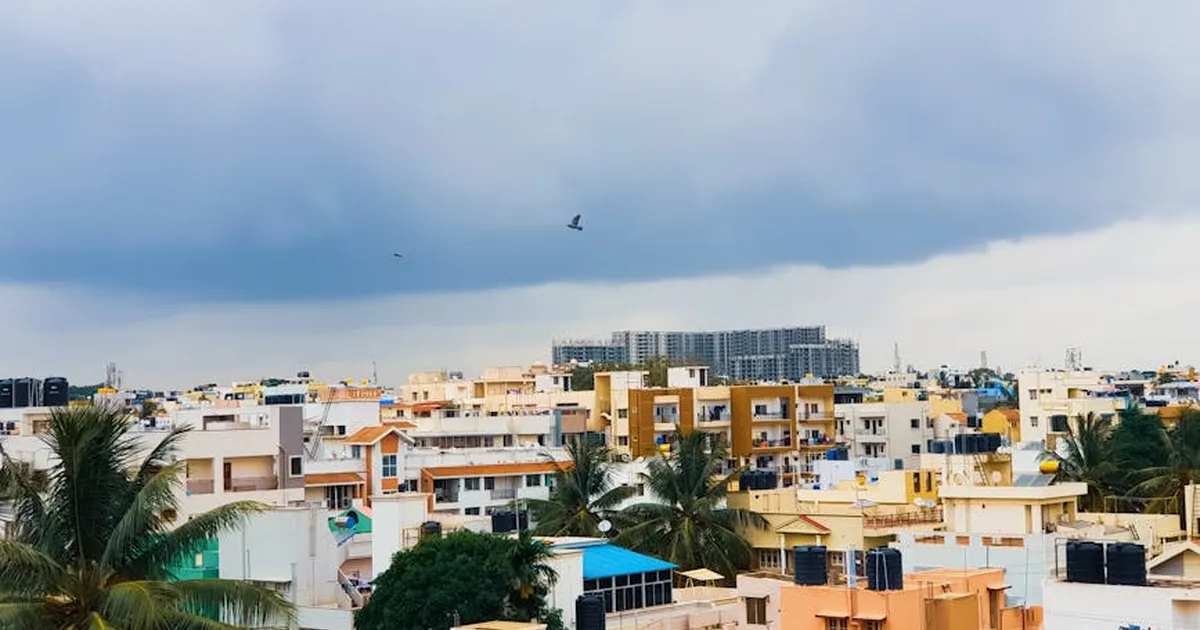
Localities in Bangalore
Projects in Bangalore
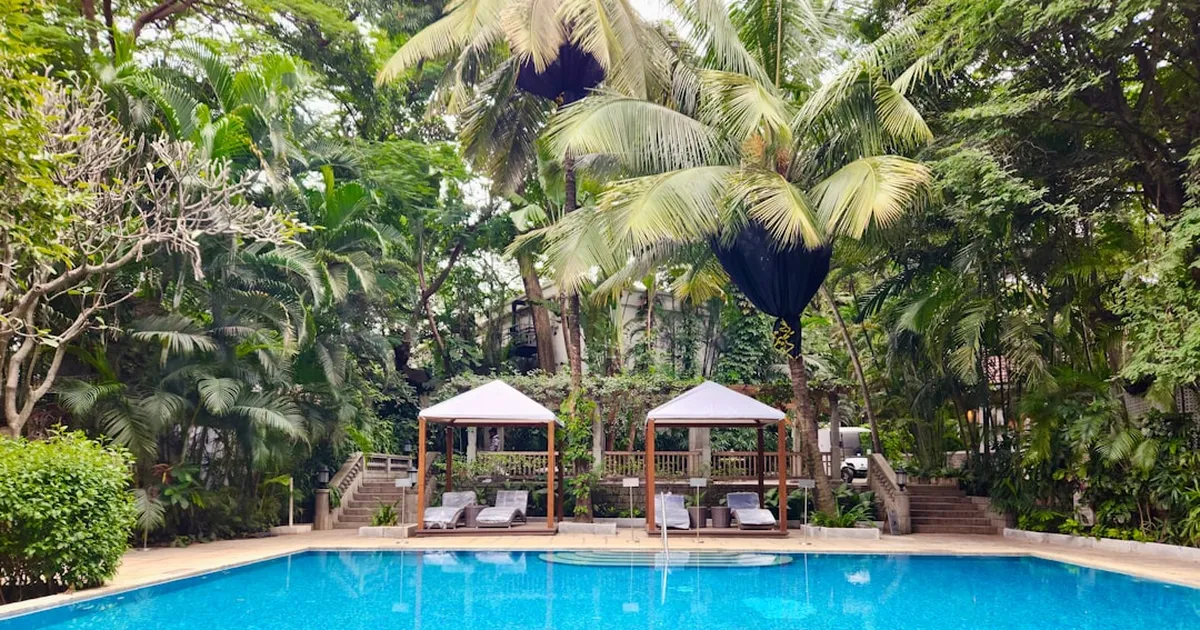
Godrej Woods Thanisandra
₹1.62 Cr - ₹2.95 Cr